In recent years, network technologies have gotten more than mere bits-and-bobs sorts of improvements. Such leaps have been impressive; they’ve sparked promise, in terms of where next-best modernizations may yet crop up.
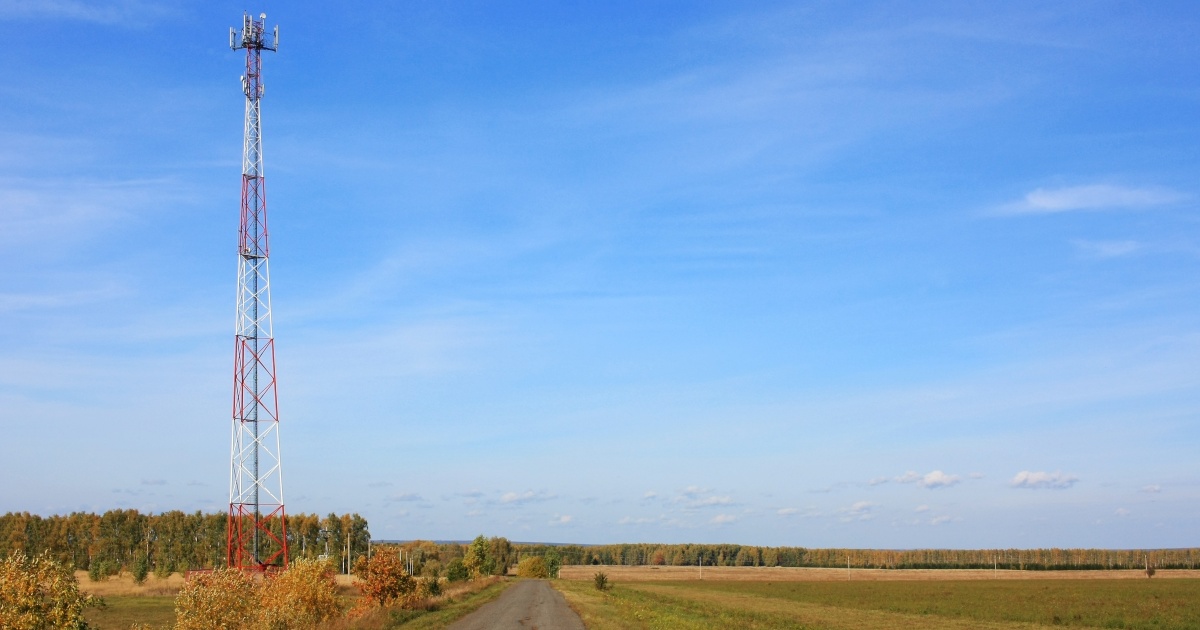
But in rural areas, it’s largely been only crops that have, well, been cropping up. A lack of reliable broadband coverage remains evident.
This is a problem.
Broadband access in rural areas is important for a multitude of reasons, including:
- Economic Development: Broadband access helps stimulate bona fide economic growth via new opportunities for entrepreneurship, online business, and remote work. It can also generate healthy competition for existing businesses.
- Education: High-speed internet offers up-to-date accessibility to a whole bevy of digital educational resources, remote learning opportunities and research tools. In our current age of modified digital learning, students without access may face sizable disadvantages.
- Healthcare: Telemedicine is a practice that has hit sky-high adoption rates since the onset of the COVID-19 pandemic. Telehealth practitioners are reliant on solid broadband connectivity; it allows them to sync up with residents in remote areas for medical consults, health monitoring, and even specialty care in lieu of long-distance travel.
- Communication and Social Inclusion: With broadband, rural communities can stay connected (rather than being left out of the digital loop). Folks can regularly touch base with family and friends, access important news and local services, and participate in social and cultural activities via the internet.
- Government Services: Government-specific services are being provided online more and more; it’s equal parts convenient and efficient, in most cases. Thus, it’s broadband access that grants rural residents the ability to take full advantage of such services, including filing taxes online, license renewals, etc.
Many rural areas can’t afford to remain stagnant when it comes to being able to utilize broadband coverage. Regardless of geographical location, this should be a big priority.
Enter Nokia (News - Alert) and MetaLINK Technologies.
Telco Nokia announced that it has officially been selected by ISP MetaLINK to provide fixed wireless access (FWA) and boost broadband network capacity in the following rural areas in need: Northwest Ohio, Northeast Indiana, and select parts of Southern Michigan.
Here are the details:
By using Nokia’s Citizens Broadband Radio Service (CBRS) RAN portfolio, MetaLINK will address growing demands for broadband coverage by connecting rural homes and businesses. (Nokia is also partnering with Winncom Technologies, a global distributor of CBRS, LTE (News - Alert), broadband, and FWA products, to deliver these solutions.
As mentioned, this Nokia-MetaLINK partnership will leverage Nokia’s CBRS radio and baseband units, as well as MetaLINK’s spectrum and radio access musts from Nokia’s AirScale portfolio. In total, high-bandwidth internet services (especially in areas where it hasn’t previously been cost-effective) are now en route.
Per Fernando Torres, Chief Operating Officer at MetaLINK:
“Partnering with Nokia and leveraging its technology leadership in network innovation will help us improve customers internet experiences and connect people’s homes and businesses with high-bandwidth internet services.”
And per Shaun McCarthy, President of North America Sales at Nokia:
“We’re excited to partner with MetaLINK to meet the growing fixed wireless broadband demand. This partnership exemplifies Nokia’s commitment to providing exceptional solutions that drive tangible outcomes for our customers. By leveraging our industry-leading technology, we’ll help narrow the digital divide and bring reliable connectivity to more communities.”
Edited by
Greg Tavarez