
For years, mobile gambling came with a quiet asterisk. The games looked good, the apps worked, but something always felt slightly off. A bet confirmed a beat too late. A video feed that stuttered right as the ball dropped. Players adjusted, because that's what people do. Then 5G matured, and the asterisk started disappearing. What's happening now on phones is less an upgrade and more a genuine shift in what real-time actually means.
Milliseconds Are The New Currency
Here's the thing about latency: nobody notices it until it ruins something. In a spreadsheet, a 200ms delay is nothing. In a live roulette round, it's the difference between placing your chip and watching the window close on you.
The numbers explain the mood change. 4G networks typically ran with latency around 30 to 50 milliseconds, while 5G can push that down toward a single millisecond under the right conditions. Real-world performance sits higher, of course. Carrier testing has shown 5G fixed-wireless latency in the 18 to 39ms range, which is still comfortably below the threshold where human beings start feeling friction.
Bandwidth (News - Alert) matters too, and it matters more than people assume. 4G often struggled to carry a single reliable 1080p stream, while 5G capacity opens the door to multi-angle 4K feeds on a handset. That's not vanity. Seeing the card flip clearly is part of trusting the outcome.
When The Dealer Looks Up And You're Actually There
Speed alone doesn't make a game feel alive. Presence does. And presence is exactly what low latency buys.
Think about what a live dealer table demands. A person in a studio, cameras rolling, a chat box filling up, a betting window that closes on a hard clock. Modern setups lean on WebRTC alongside 5G mobile delivery, and the infrastructure behind live casino now routinely lands under half a second of latency. At that point, the stream stops behaving like television and starts behaving like a conversation.
Romanian operators offer a decent snapshot of the trend. Don Casino, licensed under ONJN Class I and running live casino tables supplied by Evolution and Pragmatic Play, built its mobile experience around this exact expectation: real dealers, real-time betting windows, no awkward pause between tapping and seeing. Players are blunt about it in reviews. Busy tables can mean a short wait for a seat, but the round itself holds together. That reliability is the product.
You know what's interesting? Nobody markets latency. Players just quietly leave the operators who can't deliver it.
The Plumbing Nobody Claps For
Raw network speed doesn't fix distance. If your bet travels to a data center several hundred miles away, physics gets a vote no matter how fast the radio link is.
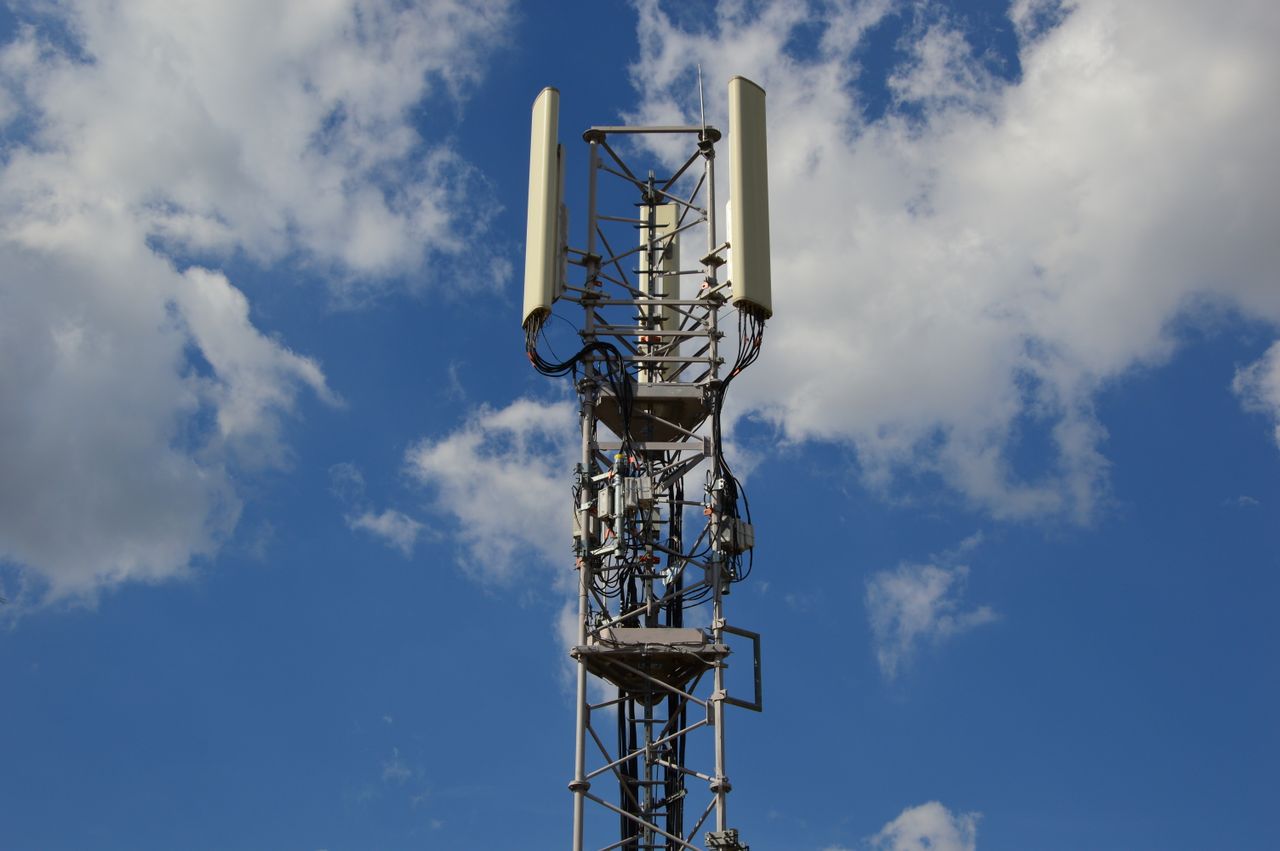
Multi-Access Edge Computing tackles this by putting compute resources at the edge of the mobile network, close to users, so game logic and stream processing happen in regional nodes instead of far-off facilities. Network slicing does the complementary job, carving out dedicated lanes so time-sensitive traffic isn't fighting with someone's video download three blocks over. Those isolated segments also strengthen payment security, which matters for deposits and withdrawals happening mid-session.
None of this is glamorous. It's cell towers, routing tables, and adaptive bitrate logic doing unglamorous work. But it's the reason the front end feels effortless.
So What's Still Standing In The Way?
Coverage, mostly. 5G rollout remains uneven, and a strong signal downtown says nothing about the train ride home. Adaptive bitrate streaming softens the blow by scaling quality down rather than freezing, though a degraded feed is still a degraded feed.
Battery drain is real too. High-frequency 5G bands are hungry, and a long live session on a phone at 30 percent charge ends the way you'd expect. Data caps deserve a mention as well, since 4K streaming burns through allowances faster than most players estimate.
Then there's the part worth saying plainly: frictionless design cuts both ways. When a game responds instantly and the next round starts before you've processed the last one, sessions stretch without you deciding they should. Licensed operators build in deposit limits, session reminders, and self-exclusion tools for a reason. Using them isn't an admission of anything. It's just sensible.
Where This Actually Lands
The interesting part of 5G's arrival isn't the speed test screenshot. It's that the technology has become boring in the best way, receding until players stop thinking about it and start thinking about the game.
That's a strange kind of success. Years of network engineering, edge deployment, and streaming protocol work, all in service of a moment where somebody on a bus taps a screen and a dealer on the other side of the country responds like they're sitting across the table.
Invisible infrastructure, visible experience. Turns out that was the goal all along.
