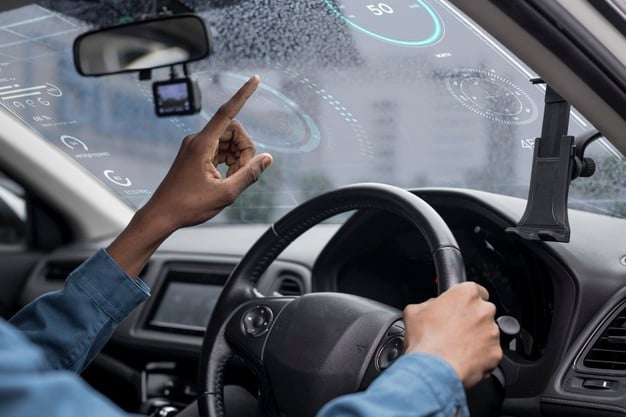
Distracted driving continues to be one of the fastest-growing causes of motor vehicle accidents in Virginia. Smartphones, in-car touchscreens, wearable devices, and connected vehicle systems have changed the way people drive, but they have also introduced new safety risks. Today, a Roanoke Distracted Driving Attorney relies on much more than witness statements to investigate these crashes. Technology now plays a major role in proving fault, preserving evidence, and helping injured victims pursue fair compensation. Digital records often reveal details that drivers cannot remember after an accident. From mobile phone activity to vehicle data and surveillance footage, modern technology helps create a clearer picture of what happened before, during, and after a collision.
The Growing Impact of Technology on Distracted Driving Cases
Modern vehicles generate an enormous amount of electronic data. Every time a driver connects a smartphone, uses GPS navigation, or interacts with an infotainment screen, digital information may be stored. Attorneys investigating distracted driving accidents frequently work with accident reconstruction specialists and digital forensic experts to analyze these records.
Instead of relying only on eyewitness testimony, legal professionals can compare multiple sources of evidence to establish whether a driver's attention was diverted at the time of the crash. This technology-based approach often provides stronger support during insurance negotiations and courtroom proceedings.
Digital Evidence That Can Strengthen an Accident Claim
One of the biggest changes in personal injury law is the growing use of electronic evidence. Technology captures information that may otherwise disappear within minutes after a collision. Common digital evidence includes:
- Mobile phone call and text records
- GPS location history
- Vehicle Event Data Recorder (EDR) information
- Dashboard camera footage
- Traffic surveillance recordings
- Bluetooth connection logs
- Vehicle infotainment system activity
When these records are analyzed together, they help investigators establish a detailed timeline that supports a distracted driving claim.
Artificial Intelligence Is Changing Accident Investigations
Artificial Intelligence (AI) has become an important tool for accident reconstruction. Advanced software can examine vehicle damage, road conditions, braking patterns, and impact angles to recreate how a crash occurred. Instead of depending entirely on manual calculations, investigators now use AI-assisted modeling to improve accuracy and reduce uncertainty. A Roanoke distracted driving attorney may present these digital reconstructions when negotiating settlements or preparing a case for trial. Visual demonstrations often make complex accident scenarios easier for insurance adjusters, judges, and juries to understand.
Connected Vehicles Provide Valuable Information
Many modern vehicles operate as connected devices. They continuously communicate with cloud-based systems that record driving information and diagnostic data. Depending on the vehicle manufacturer, investigators may obtain navigation history, emergency braking records, maintenance logs, and connected device information. This data can reveal whether the vehicle suddenly braked, accelerated, or changed direction immediately before the collision. Combined with smartphone records, connected vehicle technology can provide compelling evidence of distracted driving.
|
Technology
|
How It Supports an Accident Claim
|
|
Event Data Recorder
|
Records speed, braking, and steering input
|
|
GPS History
|
Shows travel route and timing
|
|
Dash Camera
|
Captures real-time driving events
|
|
Traffic Cameras
|
Provides independent visual evidence
|
|
Smartphone Records
|
Identifies calls, texts, and app activity
|
Cyber Forensics Helps Recover Critical Evidence
Not every driver willingly preserves electronic evidence after an accident. In some cases, important files may be deleted or devices reset. Cyberforensic specialists use specialized software to recover digital information while maintaining its authenticity for legal proceedings.
These professionals can verify timestamps, recover deleted messages, analyze metadata, and prepare technical reports that support personal injury claims. Their findings often become valuable evidence when liability is disputed.
Smart Transportation Systems Continue to Improve Investigations
Cities across the United States are investing in intelligent transportation systems that improve road safety while collecting useful traffic information. High-definition traffic cameras, smart intersections, and automated incident detection systems generate data that may assist investigators after a crash. As these technologies become more common, distracted driving cases are likely to rely even more on objective digital evidence instead of conflicting witness accounts. This shift benefits victims because technology provides a more accurate record of how an accident occurred.
Steps Victims Should Take After a Distracted Driving Accident
Technology can only help if important evidence is preserved quickly. Victims should take immediate action after an accident whenever possible. Recommended steps include:
- Photograph the accident scene and vehicle damage.
- Save dash camera footage before it is overwritten.
- Obtain contact information from witnesses.
- Seek medical treatment immediately.
- Avoid deleting photos, messages, or accident-related records.
- Consult a Roanoke distracted driving attorney before speaking extensively with insurance companies.
Taking these steps early helps preserve valuable evidence that may strengthen a future legal claim.
Why Technology Will Continue to Shape Personal Injury Cases
Vehicle safety technology continues to evolve every year. Driver monitoring systems, Advanced Driver Assistance Systems (ADAS), collision avoidance sensors, and connected infrastructure are becoming standard features in many vehicles. While these innovations are designed to reduce crashes, they also create new sources of digital evidence. Law firms that understand these technologies are often better equipped to investigate distracted driving accidents. Combining legal experience with digital forensic analysis allows attorneys to present stronger cases and improve the likelihood of recovering fair compensation for injured clients.
Conclusion
Distracted driving cases have entered a new technological era. Mobile devices, connected vehicles, artificial intelligence, cloud computing, and digital forensic investigations now provide valuable evidence that can significantly strengthen personal injury claims. A knowledgeable Roanoke Distracted Driving Attorney understands how to preserve this information, interpret complex digital records, and use modern technology to establish liability. As automotive innovation continues to advance, technology will remain one of the most powerful tools available for protecting the rights of accident victims.
