Reliable cellular networks now reach nearly every corner of the residential suburban environment. This connectivity allows for new protective devices that function far beyond the limits of old landlines. Many homeowners now integrate these communication tools into their daily routines for better security. High speed data transmission enables devices to send critical information to monitoring centers very quickly.
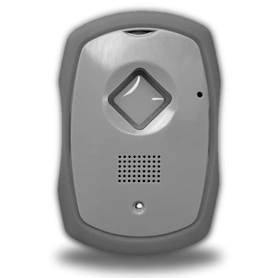
The integration of these technologies into personal protection plans represents a big shift for many people. Many families choose to provide their elderly relatives with specialized medical alert bracelets to ensure assistance is always available. These wearable devices function as a direct link to professional aid at any time. They operate over the same networks used by major telecommunications companies to keep people connected.
Higher Accuracy with Real Time Location Tracking
The growth of Global Positioning Systems has changed how emergency services find people in distress. Traditional security systems often required a person to be near a base station inside their home. New mobile units use satellites and cell tower data to find a user’s exact coordinates. This technology works well even if the person is far away from their house.
Better Mapping for Outdoor Safety
When a person presses a button for aid the device sends their location to a dispatcher. The dispatcher sees their position on a digital map right away. This means the caller does not have to describe where they are located. Finding a location fast allows paramedics to arrive much sooner than they could in the past.
Network Stability for Constant Protection
Advanced signal processing keeps voice communication clear in windy or loud outdoor areas. These systems rely on the same infrastructure that powers modern business unified communications to maintain a stable link. Reliability is the most important part of any tool that uses a wireless network. A steady connection ensures that the user can always talk to a responder.
Smart Sensors for Automatic Fall Detection
Sensors called accelerometers can tell if a person sits down fast or truly trips and stumbles. These tiny parts measure speed and movement in three different directions to find a hard impact. If the system detects a fall it can trigger an alarm on its own. This happens even if the person is unconscious or cannot reach the button.
Modern safety devices use several specific data points to confirm an emergency event:
- The speed of the downward motion compared to normal daily walking.
- The force of the impact when the sensor hits the floor.
- The position of the device after the motion to see if the user stayed down.
- A short waiting period so the user can cancel a false alarm if needed.
This technology is useful when a person cannot call for aid because of a sudden injury. Data from the National Institutes of Health shows that quick support after a fall improves long term recovery. Automated alerts provide a safety net that works without any human action during a crisis. These sensors keep watch even when the user is alone at home.
Clear Two Way Voice Communication Links
Clear audio is very important for knowing how bad a situation is before sending a response. Modern wearable safety tools have microphones and speakers that allow for a quick talk with an operator. This direct link allows the person to stay calm while they wait for support to arrive. Being able to hear a friendly voice makes a big difference in a scary moment.
Voice Clarity (News - Alert) in Mobile Hardware
Voice quality is much better now because of newer technology in most mobile safety devices. This change allows for clearer audio than old cellular bands used years ago. High quality audio ensures that dispatchers can hear even very soft whispers. This is useful if a person cannot speak loudly after they get hurt.
Lowering the Load on Emergency Services
Good communication systems reduce the work for local emergency departments by checking every call. Operators can often fix small problems or call a neighbor instead of an ambulance. This smart approach to customer service in tech ensures that big resources stay ready for life threatening events. It helps the whole community stay safer by using tools wisely.
Waterproof Designs for All Day Protection
Mishaps often happen in bathrooms where floors are slippery and water is everywhere. Older emergency buttons were often too big and could not handle steam or water. Modern engineering has created small devices that work fine even if they get wet. Users can wear these devices in the shower without worrying about damaging the electronics.
Manufacturers use several design features to keep these devices working in wet areas:
- Sealed shells that keep water away from the internal circuit boards.
- Strong materials that do not grow mold after getting wet many times.
- Charging systems that do not have open holes where water could enter.
- Buttons that are easy to press even with wet or soapy hands.
Wearing a protective device all the time is the best way to be ready. Waterproof designs mean users do not have to take off their equipment to bathe. This prevents the mistake of leaving a button on a table during a morning routine. Continuous coverage ensures the device is within reach whenever it is needed.
Constant Support from Professional Monitoring Centers
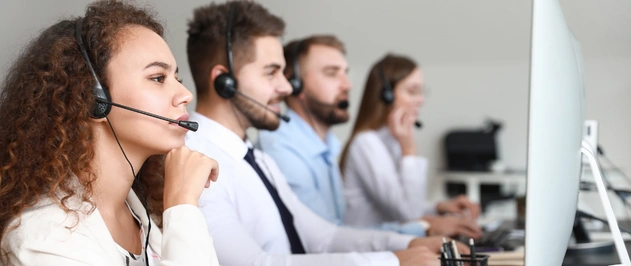
A safety device only works if someone is there to answer the call for aid. Professional monitoring centers stay open every hour of the year to answer every signal. These buildings use backup power and extra internet lines to stay online during big storms. They are always ready to provide support no matter what is happening outside.
The staff at these centers get special training to stay calm during high pressure moments. They have quick access to a user’s medical history and family contact list. According to the Federal Communications Commission having this data ready can speed up the response process. It ensures the right kind of assistance gets to the house as fast as possible.
Regular testing of the hardware ensures the link to the center stays active and strong. Most modern systems test themselves every week to check the battery and signal. This work gives families peace of mind that the system will work during a real emergency. Staying prepared is the best way to stay safe and independent at home.
The mix of smart sensors and fast networks has made life safer for many people. Choosing a system with mobility and steady monitoring helps people live on their own longer. A connected safety tool is a smart way to stay protected every single day. Assistance is always just one simple button press away for anyone who needs it.
