Readers of TMCnet have seen that communication technology has changed at a high speed. Things like Cloud telephony, AI chatbots, communication, and automated contact centers have changed how businesses interact with their customers. They use efficiency, scale, and availability, and it has improved over time.
But with these changes, another challenge has shown up. Many of these companies now communicate more, but aren’t able to connect well. Customers can reach these automated systems right away, but they can’t always reach a real person. Even though the responses are fast, the resolutions can happen, but they don’t feel personal.
If you want to understand why voice-based, human-led communication still matters in our world that is full of automation and where automation is better, where it falls short, and why some companies still rely on using real-time conversations to address trust and emotions.
How Communication Shifted From Voices to Screens
The earliest forms of telecom were built around real voices. You could hear someone pause, breathe, laugh, or hesitate. Meaning traveled not just through words, but through how those words were spoken.
As technology advanced, communication started moving into new forms. Messages became tickets, dashboards, chat windows, and automated replies. These systems brought a lot of convenience with them, such as:
- They lowered operating costs.
- Had repeatable responses that were consistent.
- Sorted requests faster.
- 24/7 support.
For simple needs, this works extremely well. Things like checking a balance, resetting a password, confirming an appointment, or getting a status update do not usually require emotional understanding.
But not every conversation fits inside a transaction.
Where Automation Works and Where It Starts to Struggle
Automated systems are built for order. They perform best when:
- Questions have a predictable structure.
- The results are already defined.
- The emotions don’t change the outcome of the situation.
- The situations have normal boundaries.
Trouble appears when real life shows up. Stress, uncertainty, grief, confusion, and frustration create messy situations that don’t move in straight lines.
That is when people often say they feel acknowledged but not actually understood. The system gives the right response, yet something important is missing.
Why the Human Voice Builds Trust
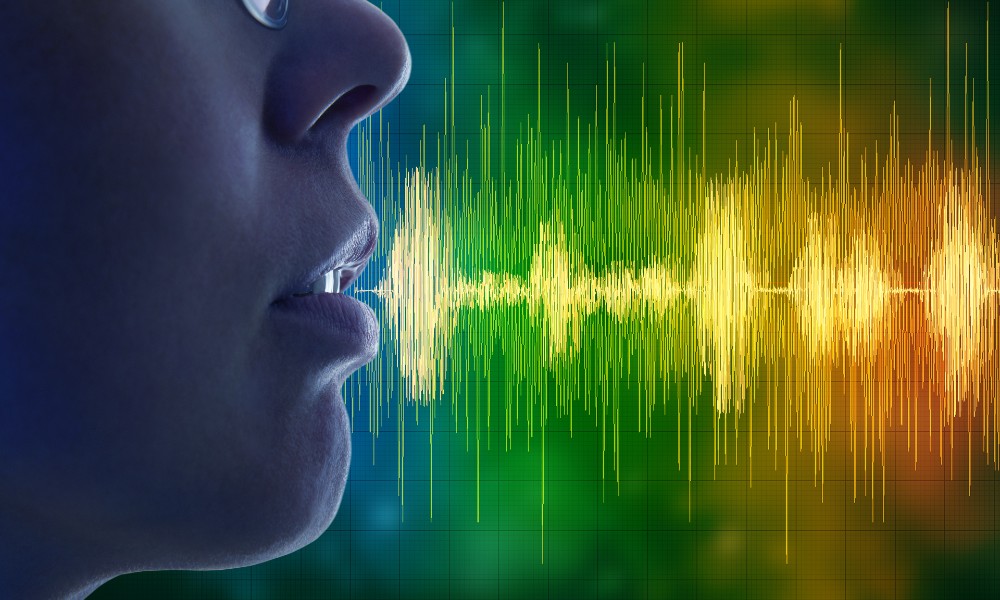
Psychology shows that people read far more than just words when they listen to someone speak. Tone, speed, hesitation, and warmth all communicate meaning. Voice communication lets things happen, such as:
- Fast emotional feedback.
- Calming and grounding with rhythm.
- Empathy.
- A sense of trust and safety.
This is why many people, even after using self-service tools, still ask to speak to someone when the issue feels serious. At that point, they are not just looking for answers. They are looking for reassurance.
The Limits of Smart Contact Centers
Today’s support systems are incredibly advanced. They route calls, analyze tone, and measure sentiment in real time. But even with all that technology, human emotion is still difficult to decode or understand, such as:
- Anger that can actually be fear.
- Silence that can mean overwhelm and not just disengagement.
- Repeating a question can signal anxiety and not just confusion.
A human can feel those shifts. A system often cannot.
When a Real Conversation Changes Everything
Imagine someone calling to cancel a service they have used for years. The automated system offers promotions, confirmations, and exit options. Everything runs as it should.
Then they reach a real person. In a few minutes of conversation, it becomes clear that the issue is not the service at all. It is a recent life change that has left them unsettled.
The agent slows down, listens, and adjusts. The decision shifts, not because of a discount, but because someone finally understood what was happening.
Why Some Fields Still Rely on Live Conversation
Certain areas of life simply do not work well through forms and menus. Healthcare, crisis support, financial planning, and counseling all depend on voice because emotions shape the outcome.
These situations are not just about speed. They are about clarity, steadiness, and perspective. The same principle shows up in places people do not always expect.
Where Human-Led Intuitive Conversations Fit
Some people are not looking for data at all. They are trying to make sense of uncertainty in their lives. That might be about relationships, timing, burnout, or decisions that do not have a clear right answer.
Online psychic platforms like PsychicOz work almost entirely through live human conversation. While they are not part of traditional telecom, they rely on the same core elements: listening, speaking, adjusting, and responding in real time.
People who use these services are usually not trying to get facts. They are trying to feel clearer, steadier, and more grounded. Voice matters because emotional tone matters.
When Knowledge Isn’t What’s Missing
Someone may already know every option available to them. They have done the research. What they do not have is inner confidence.
Talking out loud, hearing a reflective response, and listening to tone rather than text can shift something internally. That is where the value often lives.
Building Systems That Respect Human Reality
The goal is not to remove automation. It is to recognize when it needs to step aside. Good communication systems have things like:
- Valuing how someone feels after a situation is resolved and not how fast the call can come to an end.
- Allowing silence.
- Having natural pacing.
- Giving agents context and not scripts.
- Easy ways to speak to a real person.
Technology should support people, not flatten them.
Why the Future Will Always Include Voice
Even as AI improves, some conversations cannot be reduced to efficiency. People are emotional, uncertain, and deeply human. When something matters, hearing another person still makes a difference. No interface replaces that.
Final Thoughts: Communication Isn’t Just a Transaction
Telecom systems are great at moving information where it needs to be, but communication isn’t just a transaction; it’s an interpretation, a connection, and a reassurance that many people need.
As the industry changes and grows, the best platforms will be the ones that use human voice and automation together, especially when emotions are part of the conversation. Even though our world is full of systems that are smart, the most valuable systems are going to be the ones that still rely on human voice and connection.
