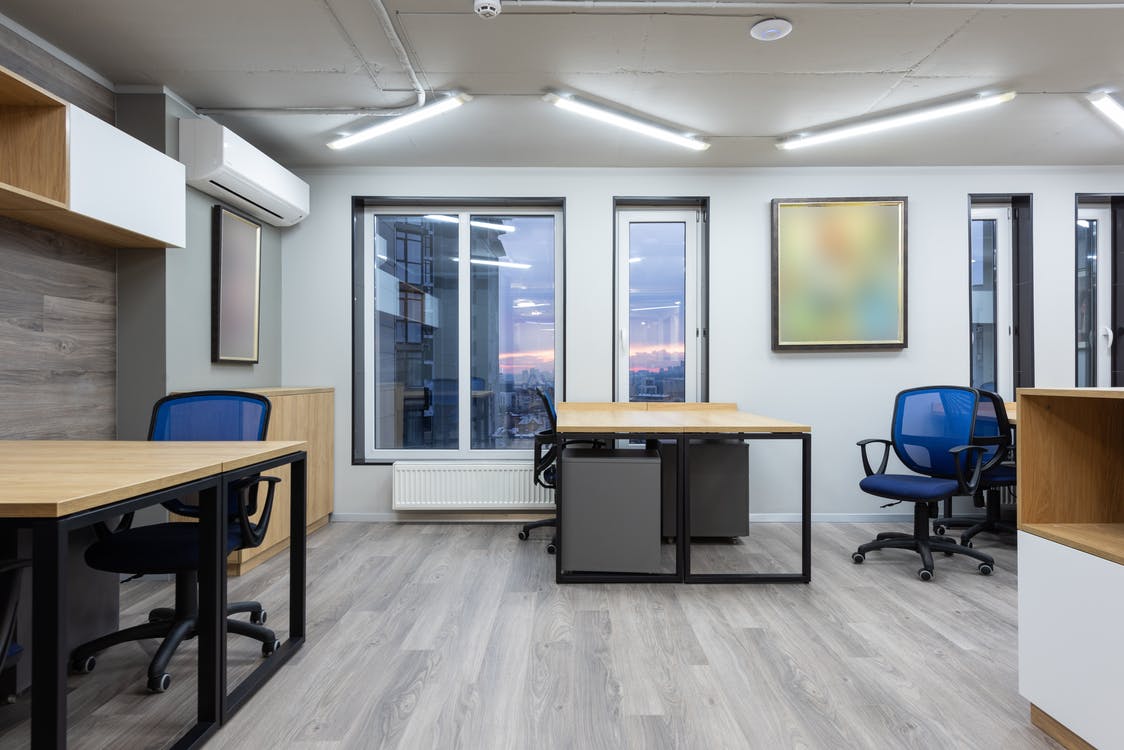
Most office shifts aren't straightforward. When it comes to tech firms, the challenge grows sharper. Moving past furniture, there's more at stake than meets the eye. Moving stuff around, such as servers, networks, and how workers do their jobs, all have to keep running smoothly during this shift. Meanwhile, during periods of upward momentum, businesses often decide to relocate entire departments to new spaces. Workgroups grow larger than. Systems get stretched thin because of it. Fingers are crossed it won't fall short this time.
What happens here is pushback. You still want what works. Yet at the same time, space must exist to grow. What stands out is how forward-thinking tech firms are in handling moves not just as paperwork or shipping tasks, but instead treated as moments to rethink systems. This shift allows upgrades in core operations. Stability increases when changes are planned carefully. Growth follows, quietly built into the process.
Putting effort here matters. That means thinking past just space size or rental length. Functioning well involves looking ahead, at how staff, tools, and setup hold up years after opening.
Defining a Moving Strategy Before Anything Else
Starting nowhere near the first shipping crate, a tech firm must outline how movement fits its purpose. This link, tying future aims to day-to-day function, is missing far too often. When ignored, smooth relocation still ends tangled, just slower.
When it comes to shifting operations, timing matters most. Line up moves with how work gets done and plan around new releases, team additions, and big updates. Slipping into the middle of significant shifts, like coding sprints or system swaps, adds extra stress no one needs. Now, picture the firm’s schedule laid out next to the migration plan. Windows that allow minimal disruption begin to show up clearly, especially when coordination with a reputable moving company is factored in early rather than treated as an afterthought.
After that, there is the scope. What needs shifting, whether people, tools, or structures, should become clear right away. Office transitions offer a chance to review existing gear such as computers, local servers, cables, routers, and old setups. Bringing in obsolete equipment delays progress. Having a handle here prevents clutter later.
What matters just as much is who owns what. When a team shifts roles, departments like IT, operations, HR, finance, and leadership get involved. One person or a group, responsible across functions, such as a move lead or a shared team, makes choices clearly and avoids rushed decisions near the due date.
Clarity (News - Alert) matters most when people join new teams. What happens inside the company shapes how smoothly things go later. Workers require clear information about when changes occur, what is required of them, and who will assist them once shifts begin. Those outside the organization, including supplier teams and contractors, must also understand their roles.
How entry, data protection, and operations continue after day one needs to be spelled out plainly for everyone involved. A plan stuck in a file will not work. Sharing it helps, yet keeping it alive means checking in now and then.
Evaluating Infrastructure With Growth in Mind
Relocation forces a hard look at infrastructure. That is a good thing. Many tech companies operate on systems that grew organically, added layer by layer as needs changed. A new office creates a clean slate.
Start by evaluating current and future capacity. Network bandwidth, Wi-Fi density, power availability, and cooling requirements should all be assessed based on projected headcount and usage, not solely on current conditions. It is far more cost-effective to design for scale upfront than to retrofit later.
Hybrid and cloud infrastructure also deserve careful consideration. For companies still relying heavily on on-premises systems, a move can be the catalyst for shifting toward cloud-based solutions. This reduces physical dependencies and makes future relocations or expansions easier.
Security should be integrated from the start. Physical access controls, secure server rooms, redundancy, and disaster recovery planning are easier to implement before walls are finalized and equipment is installed.
Designing the Office Around How Teams Actually Work
Something else often overlooked, infrastructure never works alone. It gives daily life structure. What are the typical errors firms run into when moving their teams? They plan spaces based on beliefs, not real actions.
Quiet areas matter most to engineers who demand strong internet and minimal distraction. When it comes to sales, group work, and clear video calls take priority over other needs. Workers who are off-site or splitting time need an uninterrupted connection wherever they are.
Watching how teams work and collecting early feedback helps firms shape systems that boost output rather than slow it down. Things like workspace arrangements, meeting room tools, data boundaries, and where electricity and connectors matter more than you might think.
Friction fades when an office is thought through. Workaround after workaround fades away. People adjust more quickly when starting new roles. Focus holds steady among those already working there. Change hits harder when surroundings lag.
Managing Risk and Minimizing Downtime
When systems pause, trouble follows for tech moves. Brief stops still shake up user access, income flow, and confidence levels. Staying ahead of threats matters most.
Redundancy matters most. A stopgap setup alongside the main lines helps groups check results gradually as shifts occur. Moving key platforms far away, especially during busy times, keeps reviews running smoothly and consistently. Testing runs best when demand dips low.
Putting details out clearly helps too. Maps of the network, login info, contacts at vendors, along with steps to raise concerns, such as all need one central spot during relocation. If trouble hits, fast results come from things being obvious.
What happens first really matters. Long before everyone walks in, groups run mock scenarios like actual work. Sighs echo when people log in, fire up tools, push updates live. Meetings take place too, just like in later days, but smaller. Glitches appear quickly; that's when adjustments matter most.
Supporting Employees Through the Transition
An office move can be disruptive on a human level. Familiar routines disappear. Commutes change. Temporary chaos is almost guaranteed.
Companies that handle this well prioritize empathy. They provide clear timelines, realistic expectations, and practical support. This might include flexible work arrangements during the move, stipends for home office setups, or phased returns to the new space.
Training is also essential. New systems, new layouts, and new tools require onboarding. Investing time here pays dividends in morale and adoption.
When employees feel considered rather than displaced, they are far more likely to embrace the new environment.
Turning Relocation Into a Long-Term Advantage
A move made with care gains worth only with time. Growth happens where infrastructure stretches without trouble. Collaboration flows better when teams find their rhythm. Systems that are easier to maintain and secure.
When offices shift, seeing it as part of bigger plans helps tech firms match buildings with goals. Growth finds footing here, not getting pulled off track.
Moving often stirs things up. Still, when planned well, such shifts reshape life in more profound ways.
