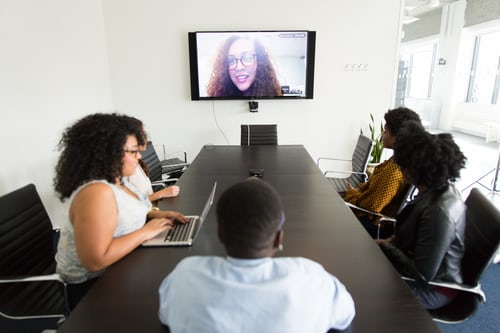
X Tips to Raise the Effectiveness of Your Teleconferences
These days, a significant percentage of meetings occur over video or via other telecommunications devices. When executed properly, these meetings can be highly effective, conveying the right messages in an efficient manner. However, fluid meetings aren't a guarantee.
So how can you make sure your teleconferences are more effective?
Start With an Objective
First, you need to start with some kind of objective. A clear objective for the meeting is going to define success for that meeting, provide strategic guidance, and help keep all of your team members on task. For example, you might have the goal of providing education on a particular safety topic, such that everyone attending the meeting can incorporate some new habit or process into their daily work. This meeting would be grounded by the aim of communicating the full strategy and verifying understanding among attendees.
What is this meeting about? Why are you having it? When do you know that the meeting is over? And how do you know if it is successful?
If you struggle to come up with a firm objective for the meeting, it could mean that this is a meeting for the sake of having a meeting. Although there are some special circumstances where such meetings are warranted, they should be the minority of meetings.
Set a Strict Agenda
You also need to set a strict agenda if you want your teleconferences to be successful. Who is going to present materials at this meeting, what are they responsible for, and how long should they take for their presentations? Setting an agenda makes sure that you cover all the most important topics and items on the table, while simultaneously making sure that time waste is minimal. If someone deviates from the agenda, either by talking about an unnecessary topic or taking too much time, gently bring them back to the original intention for the meeting.
Use the Right Technology
It’s also important to use the right video conferencing technology. If you don't have a good teleconferencing system in place, your users are going to be so fixated on improving technical challenges that they won't be able to focus on communication. A good video conferencing system is accessible, intuitive, and easy to use, facilitating smoother and more consistent communication amongst participants.
Reduce the Number of Participants
Speaking of participants, it's a good idea to reduce the number of participants in any teleconference, regardless of how effective and reliable your technology is. It's tempting to throw more people into the meeting, especially if you're talking about something important, but your meeting is likely going to be more effective if it's more focused on the most relevant parties.
In teleconferencing, an excessive number of participants can cause more interruptions and distractions, while simultaneously making each attendee feel less significant and less likely to participate. Additionally, if there is any form of time waste in the meeting, it's going to be multiplied by the number of participants, so keeping the attendance number relatively low can mitigate this risk.
Test Before You Start
Before you start the meeting or begin any conversations, it's a good idea to test your teleconferencing systems. Roll out the technology, make sure everyone on your team is able to use it, and determine whether there are any technical hiccups that might cause disruptions or interruptions during the meeting. Nobody wants to spend 10 minutes idly wasting time while the host figures out how to launch a meeting for the first time.
Keep the Cameras On
Throughout the teleconference, encourage all users to keep their cameras on. During a teleconference, it's easy for people to become distracted, as they may have multiple windows open at the same time, or they may even try to multitask while listening to the teleconference like a podcast. The simple shift of having cameras on encourages people to pay closer attention and make virtual eye contact with the presenter. Obviously, there are times when turning the camera off is warranted, but as a general rule, everyone should be focused on the screen.
Be Concise and Clear
The person delivering communication needs to strive to be as concise and clear as possible. This is a function of both word choice and verbal articulation. These are important hallmarks of communication in almost any context, but they become especially important in the world of teleconferences because of the limitations of this technology. Despite amazing advancements in this area in the past several years, there are still some forms of possible distortion to account for – and limitations of communicating digitally overall.
Utilize the Chat
Make use of the chat whenever possible, as ongoing verbal conversation isn't always possible or smooth in this environment. This way, if people have random questions, or if they have commentary on the current presentation, they can make a clear, concise record of it without interrupting the flow. This is also an excellent place for participants to have side conversations with each other without interrupting the main presentation. When utilized responsibly and consistently, this teleconferencing feature can add a new dimension of communication to your meetings.
Encourage Active Participation
Your meetings will be much more effective if your attendees actively and consistently participate. Make sure you set an expectation that attendees should pay attention, ask questions, and contribute when warranted. Without this shared understanding that active collaboration is the goal, your potential will be significantly hampered.
Recognize and Correct Technical Difficulties
Finally, work to recognize and correct any technical difficulties that arise during the teleconference. Make sure all your attendees understand how to troubleshoot regular recurring issues – and consider a meeting backup plan if your main teleconferencing tool isn’t cooperating, or if any necessary attendees are struggling to make things work.
If you follow these strategies, you should be able to make your teleconferences more effective and more consistent. These digital meetings are never going to be flawless, but you can strive to make them clearer, more focused, and more impactful.
