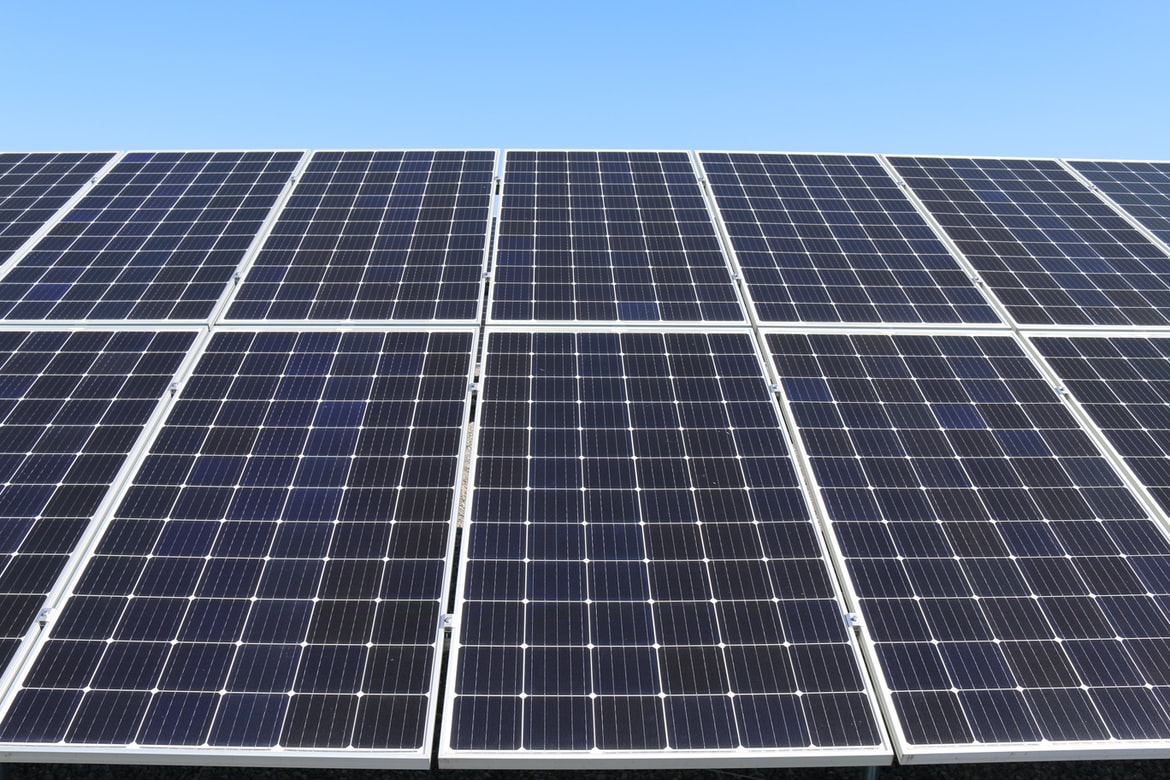
Maryland, known for its rich history and diverse landscapes, has also emerged as a leader in the United States' renewable energy movement. The state's journey towards adopting solar energy is a testament to its commitment to environmental sustainability and energy independence. Renewable Energy Advisors have played a crucial role in guiding this transition. This article explores Maryland's path to becoming a solar energy frontrunner, highlighting the policies, initiatives, and community efforts that have propelled this transition.
The Foundation of Maryland’s Solar Energy Initiative
Maryland's foray into solar energy began in earnest with the establishment of a robust policy framework aimed at encouraging renewable energy adoption. The cornerstone of this framework is the Maryland Renewable Portfolio Standard (RPS), first enacted in 2004. The RPS mandates that a certain percentage of the state's electricity must come from renewable sources. Initially, the target was modest, but it has been progressively increased. As of the latest update, Maryland aims for 50% of its electricity to be generated from renewable sources by 2030, with a specific carve-out of 14.5% for solar energy.
This policy has been instrumental in creating a conducive environment for solar energy development. It provides the necessary market signals and financial incentives to attract investment in solar infrastructure. The solar carve-out, in particular, ensures that solar energy receives targeted support, promoting its growth within the broader renewable energy landscape.
Financial Incentives and Support Programs
Maryland has implemented a suite of financial incentives and support programs to drive solar energy adoption. One of the most significant is the Maryland Solar Renewable Energy Credit (SREC) program. SRECs are tradable credits that represent the environmental benefits of generating electricity from solar energy. Solar system owners can sell SRECs to utilities, providing an additional revenue stream that improves the economics of solar investments.
In addition to SRECs, Maryland offers grants and loans through the Maryland Energy Administration (MEA). Programs like the Residential Clean Energy (News - Alert) Grant Program provide upfront financial assistance to homeowners installing solar panels. The Commercial Clean Energy Grant Program similarly supports businesses in their solar endeavors. These programs lower the initial cost barriers, making solar energy more accessible to a broader range of consumers.
Community Solar Programs
Recognizing that not all residents and businesses can install solar panels on their properties, Maryland has embraced community solar programs. These programs allow multiple participants to share the benefits of a single solar project, making solar energy accessible to renters, low-income households, and others who might face physical or financial barriers to direct installation.
The Maryland Community Solar Pilot Program, launched in 2017, has been particularly impactful. It encourages the development of community solar projects by providing a regulatory framework and incentives. Participants in these programs receive credits on their electricity bills for their share of the solar energy produced, fostering inclusivity in the state's green energy transition.
Advancements in Solar Technology and Infrastructure
Technological advancements have played a crucial role in Maryland's solar energy journey. Improvements in solar panel efficiency, battery storage, and grid integration have made solar energy more viable and reliable. The state's investment in smart grid technology has facilitated the integration of distributed solar generation, ensuring that solar energy can be efficiently managed and utilized.
Battery storage systems, in particular, have been a game-changer. They address the intermittency of solar power by storing excess energy generated during sunny periods for use during cloudy days or at night. Maryland has been at the forefront of deploying these technologies, supported by incentives and pilot programs aimed at enhancing grid resilience and reliability.
Environmental and Economic Benefits
The environmental benefits of Maryland's shift towards solar energy are substantial. Solar power is a clean, renewable resource that reduces greenhouse gas emissions and decreases reliance on fossil fuels. This transition contributes to improved air quality and public health, aligning with Maryland's broader environmental goals.
Economically, the solar energy sector has become a significant driver of job creation and investment in the state. The Solar Foundation’s National Solar Jobs Census consistently ranks Maryland among the top states for solar employment. Jobs in installation, manufacturing, sales, and maintenance of solar systems provide opportunities for a diverse workforce, supporting local economies and fostering economic growth.
Challenges and Future Prospects
Despite the successes, Maryland's solar energy journey has not been without challenges. Regulatory hurdles, financing barriers, and public awareness are ongoing issues that need to be addressed. Ensuring equitable access to solar energy and overcoming resistance from traditional energy sectors are also critical challenges.
However, the future prospects for solar energy in Maryland remain bright. The state's ambitious renewable energy targets and supportive policies provide a strong foundation for continued growth. Innovations in technology, such as advanced solar panels and more efficient storage solutions, are expected to further enhance the viability of solar energy.
Maryland's participation in regional and national initiatives, such as the Regional Greenhouse Gas Initiative (RGGI), also underscores its commitment to a collaborative approach in addressing climate change and promoting renewable energy. By working with neighboring states and stakeholders, Maryland can leverage shared resources and knowledge to overcome challenges and accelerate its solar energy adoption.
Conclusion
Maryland's journey towards solar energy adoption is a model of progressive policy-making, community engagement, and technological innovation. The state's comprehensive approach, encompassing financial incentives, regulatory support, and community solar programs, has created a dynamic and inclusive solar energy market. As Maryland continues to navigate the challenges and opportunities of this transition, its experience offers valuable lessons for other states and regions aiming to embrace renewable energy.
By committing to a sustainable energy future, Maryland is not only protecting its environment but also building a resilient and prosperous economy. The state's leadership in solar energy adoption exemplifies how a forward-thinking approach can yield significant environmental, economic, and social benefits, paving the way for a greener and more sustainable future.
