gut microbiome health
Why They Matter in JellyThin These fibers add:
- bulk
- sweetness
- texture
- fullness
Some brands market them as “gut-health” ingredients.
9. Collagen and Beauty Additives
Common additions:
- collagen peptides
- elastin
- hyaluronic acid
Why They’re Included
Many Korean-inspired jelly products blend:
- beauty supplements
- weight-loss marketing
- skin-health claims
This combination appeals strongly to wellness consumers seeking “inner beauty” products.
Evidence
Collagen may support:
- skin elasticity
- joint health
- nail strength
However, these ingredients do not directly cause fat loss.
10. Vitamins and Minerals
Frequently added nutrients:
- Vitamin C
- Calcium
- Vitamin B5
- Chromium
- Zinc
Purpose
These ingredients help brands market products as:
- “functional wellness foods”
- metabolism-support formulas
- nutritional supplements
Actual Effect
Most are included in small amounts and are unlikely to dramatically affect metabolism independently.
How the Ingredients Work Together
The “JellyThin effect” mainly comes from combining:
- high water content
- soluble fiber
- thick texture
- low calories
- slow eating experience
Together, these may help some people:
- snack less
- feel fuller temporarily
- reduce overall calorie intake
However, experts emphasize that these products work best as part of a balanced lifestyle rather than as miracle solutions.
Common Misconceptions About JellyThin Ingredients
“The jelly melts fat.”
False. No ingredient directly melts body fat.
“Konjac alone causes weight loss.”
Not exactly. Konjac fiber may help appetite control, but weight loss still depends on total calorie intake.
“JellyThin replaces healthy meals.”
Experts generally discourage replacing balanced meals with low-calorie jelly snacks long term.
“More fiber always means better results.”
Too much fiber too quickly can cause digestive distress and bloating.
Potential Risks and Side Effects
Possible side effects include:
- stomach cramps
- gas
- bloating
- diarrhea
- constipation
- dehydration if insufficient water is consumed
People with:
- digestive disorders
- swallowing difficulties
- eating disorders
- certain medical conditions
should consult healthcare professionals before using high-fiber jelly products regularly.
The Psychology Behind Texture and Fullness
Nutrition researchers have long studied how food texture influences satiety. Some evidence suggests that thicker, slower-to-eat foods can alter perceptions of fullness and reduce overall calorie intake.
Behavioral nutrition experts note that modern ultra-processed foods are often engineered for rapid consumption. Crunchy snacks, sugary drinks, and fast-food items can deliver high caloric loads before the brain fully registers fullness.
JellyThin supporters claim the opposite approach may work more effectively for some individuals. Foods requiring slower spoon-based eating, chewing, or gradual consumption may create a psychological pause between hunger and overeating.
Several nutrition specialists interviewed by wellness publications have acknowledged that satiety is influenced by multiple factors, including:
- water content
- fiber levels
- protein intake
- eating speed
- sensory satisfaction
- emotional state
Many JellyThin-style foods naturally contain high water volume and soluble fiber, both of which are associated with increased fullness.
However, experts also caution against exaggerating the effect.
“No single texture magically causes weight loss,” said one dietitian commenting on the trend in a public webinar earlier this year. “Weight management is still fundamentally tied to long-term energy balance, nutrition quality, movement, sleep, and behavioral consistency.”
Social Media’s Role in the Rise of JellyThin
The popularity of JellyThin has been amplified significantly by short-form video platforms and wellness communities online. Influencers regularly post brightly colored “Jelly Bowls,” low-calorie dessert jars, and aesthetically arranged meal-prep recipes under hashtags associated with mindful eating and body transformation.
The visual appeal of gelatin-based and layered foods has contributed to the trend’s viral spread. Many JellyThin recipes emphasize pastel colors, fruit textures, and dessert-like presentation while remaining relatively low in calories.
Unlike more aggressive diet trends that rely on “before-and-after” transformation narratives, JellyThin content often adopts softer messaging focused on comfort, emotional balance, and sustainable routines.
This distinction may explain part of its appeal among younger demographics increasingly skeptical of extreme dieting culture.
Analysts who monitor digital wellness behavior note that consumers today are gravitating toward “non-punitive health trends” — approaches that promise self-improvement without intense restriction or shame.
In that context, JellyThin fits neatly into broader lifestyle movements emphasizing:
- intuitive eating
- stress reduction
- gut health
- hydration
- mindful consumption
At the same time, social media critics warn that wellness branding can blur the line between evidence-based nutrition and aesthetic marketing.
Comparisons to Earlier Diet Trends
Though marketed as innovative, aspects of JellyThin resemble previous dietary philosophies.
The approach shares similarities with:
- volumetrics diets, which encourage low-calorie high-volume foods
- Japanese konjac-based meal substitutes
- soup-based appetite control plans
- low-energy-density eating strategies
- fiber-focused satiety programs
In parts of East Asia, konjac jelly snacks and agar-based desserts have long been consumed as lower-calorie alternatives to traditional sweets. Some observers believe JellyThin simply repackages these concepts for a social-media-driven global audience.
Others compare the trend to earlier “diet dessert” movements that rose in popularity during the late 20th century, when gelatin products were heavily marketed as slimming aids.
The modern difference, however, lies in branding and digital culture. JellyThin is less a formal program and more a decentralized wellness identity shaped collectively by influencers, recipe creators, and online communities.
Medical Experts Urge Balance
Despite the enthusiasm surrounding the trend, healthcare professionals remain cautious.
Some nutritionists worry that consumers may misunderstand JellyThin as a complete nutritional framework rather than a supplementary eating strategy.
“One challenge with internet diet trends is that people often remove nuance,” explained a clinical nutrition researcher during a recent health conference. “Texture and satiety matter, but nutritional adequacy matters too.”
Critics point out that many gelatin-style foods marketed online may lack:
- sufficient protein
- healthy fats
- micronutrients
- dietary diversity
Additionally, artificially sweetened products commonly associated with low-calorie dessert culture remain controversial among some researchers studying appetite regulation.
Medical professionals also emphasize that sustainable weight management requires individualized approaches. What works psychologically for one person may fail entirely for another.
There are also concerns about vulnerable users becoming overly fixated on low-calorie intake under the guise of “wellness.” Eating-disorder advocates have urged caution regarding social media trends that romanticize extreme thinness or repetitive food behaviors.
So far, no major medical organization has formally endorsed JellyThin as a scientifically validated dietary system.
The Economic Opportunity Behind Wellness Simplicity
The rise of JellyThin also reflects broader economic trends within the global wellness industry, now valued in the trillions of dollars worldwide.
Food manufacturers have increasingly responded to consumer demand for:
- low-calorie snacks
- functional foods
- gut-health products
- high-fiber alternatives
- sugar-reduced desserts
Entrepreneurs have begun developing products directly aligned with JellyThin-style eating, including:
- pre-packaged jelly cups
- collagen desserts
- probiotic puddings
- konjac-based meal replacements
- hydration-focused snack kits
Some startups are framing these items not as “diet foods” but as “mindful satiety products,” a linguistic shift reflecting changing attitudes toward body image and nutrition marketing.
Industry analysts say consumers are increasingly resistant to aggressive diet branding associated with guilt or deprivation. Instead, brands are leaning toward themes of balance, comfort, and emotional wellness.
This marketing transition mirrors changes seen in fitness culture more broadly, where sustainable routines often outperform “extreme transformation” messaging among younger audiences.
Scientific Questions Still Remain
While JellyThin may appear harmless compared to highly restrictive dieting methods, scientific questions remain unresolved.
Researchers studying appetite regulation caution that satiety is highly individualized. Factors including genetics, hormones, microbiome composition, stress, and sleep quality all influence eating behavior.
Some experts argue that focusing too heavily on texture may distract from more important nutritional considerations.
Others note that short-term fullness does not always translate into long-term weight reduction. Individuals may compensate unconsciously by increasing calorie intake later in the day.
Moreover, many online success stories tied to JellyThin remain anecdotal. Few peer-reviewed studies have specifically examined “gel-texture-focused eating” as a formalized dietary approach.
Still, some scientists believe the broader principles behind the trend warrant further exploration.
Low-energy-density eating patterns have already demonstrated potential benefits in several nutritional studies. Foods high in water and fiber can contribute to fullness while reducing overall calorie density.
The challenge, experts say, lies in separating evidence-based strategies from oversimplified wellness narratives.
A Cultural Shift Away From Extreme Dieting
Perhaps the most significant aspect of JellyThin is not the foods themselves but what the trend represents culturally.
After years dominated by:
- ketogenic diets
- fasting regimens
- detox cleanses
- bootcamp fitness culture
- highly restrictive meal plans
many consumers appear increasingly fatigued by rigid health systems.
The post-pandemic wellness landscape has shifted noticeably toward sustainability, emotional well-being, and habit-based health practices.
Mental health discussions have also reshaped public conversations around dieting. Younger consumers often prioritize:
- flexibility
- body neutrality
- reduced food anxiety
- long-term consistency
JellyThin’s softer branding aligns with this evolution. Rather than presenting weight loss as punishment or discipline, the trend frames health improvement as an exercise in comfort and satiety.
Whether that framing proves nutritionally effective on a large scale remains uncertain.
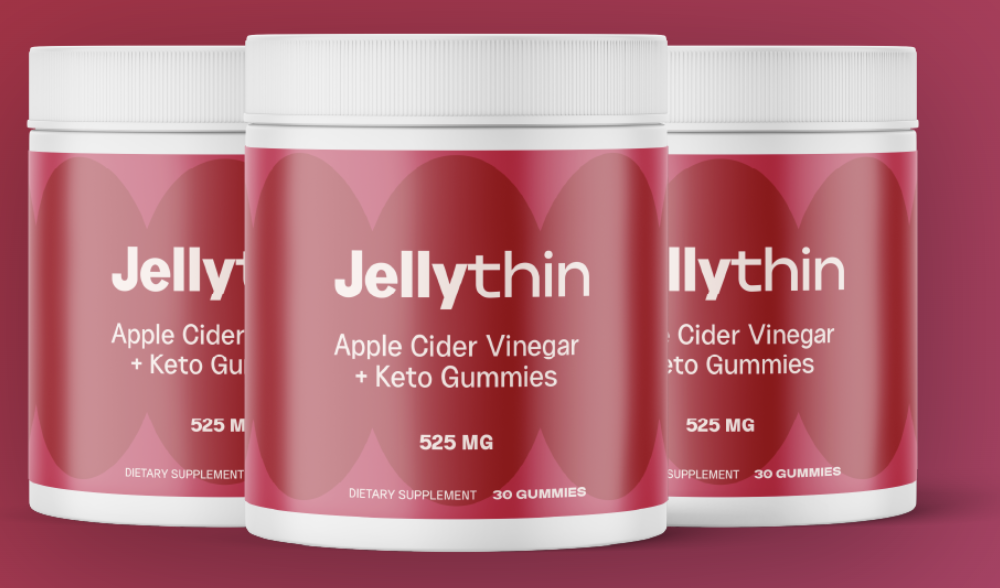
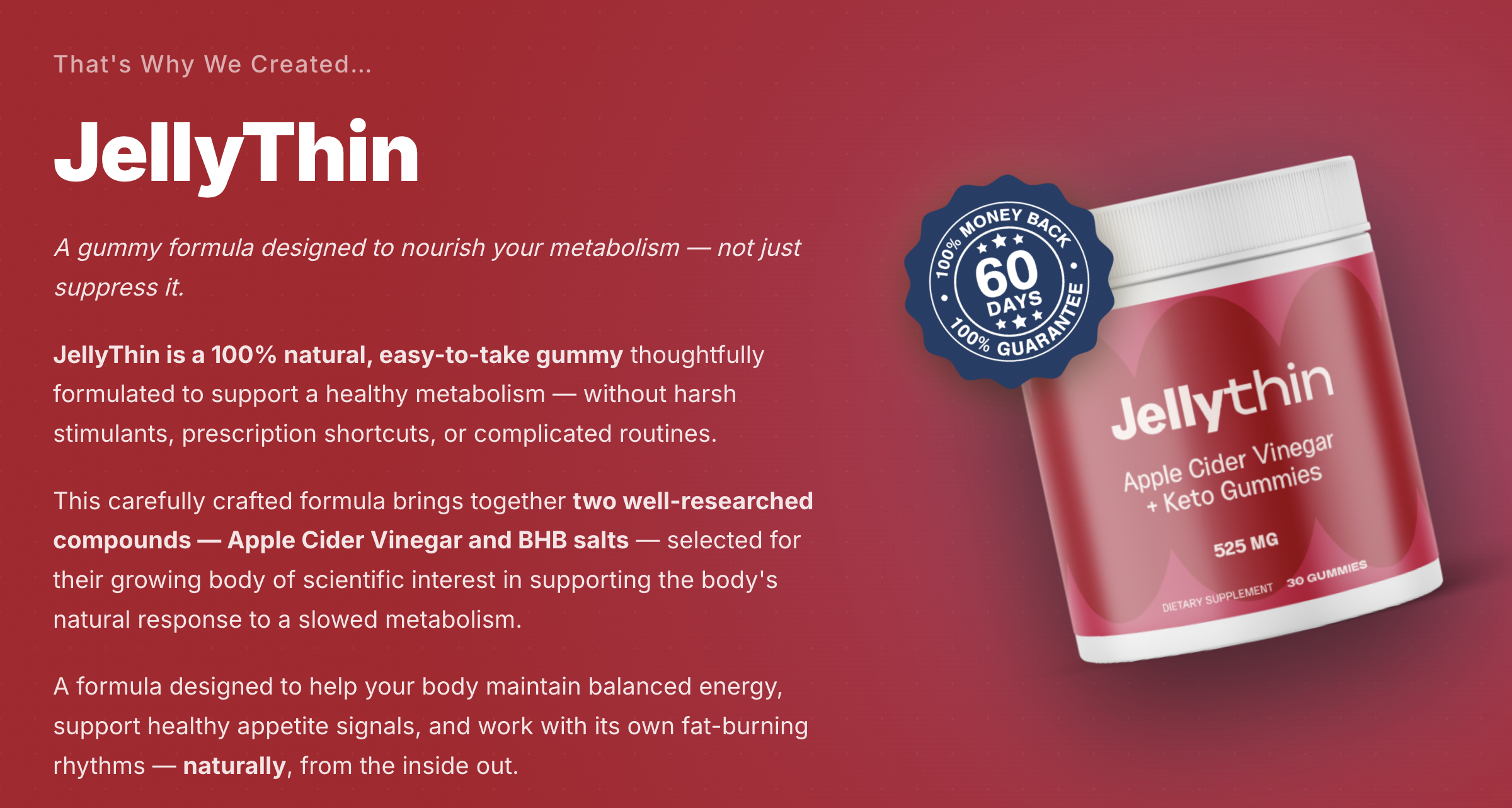
What Is Inside JellyThin ACV + Keto Gummies?
While ingredient formulas may vary depending on production batches and regional distribution, products in this category commonly feature a combination of:
- Apple cider vinegar powder
- Beetroot extract
- Pomegranate extract
- Vitamin B12
- BHB ketones
- Natural flavoring systems
- Low-sugar gummy bases
According to wellness market analysts, consumers are increasingly drawn to products that combine multiple lifestyle trends into one supplement. Instead of purchasing separate metabolism boosters, digestion aids, and keto-support formulas, shoppers often prefer all-in-one gummy products.
Supporters of ACV gummies frequently mention convenience as one of the biggest advantages. The gummies eliminate the strong taste associated with raw vinegar while offering a more portable option for travel or work schedules.
Experts Urge Balanced Expectations
Despite the growing popularity of ACV and keto gummies, nutrition professionals continue to encourage realistic expectations.
Many health experts stress that supplements alone are unlikely to replace balanced nutrition, exercise, hydration, and long-term lifestyle consistency. While ingredients such as apple cider vinegar and BHB ketones remain widely discussed in wellness communities, scientific opinions regarding their long-term effects on weight management and metabolism continue to evolve.
Medical professionals generally recommend viewing such supplements as supportive additions rather than miracle solutions.
Consumers are also advised to carefully review ingredient labels, serving recommendations, and product sourcing details before purchasing any wellness supplement..
The Future of ACV and Keto Wellness Products
As wellness trends continue shifting toward convenience and personalization, products combining popular ingredients with easy daily routines are expected to remain highly visible in the supplement market.
For many consumers, the appeal of JellyThin ACV + Keto Gummies lies less in extreme dieting and more in manageable lifestyle support. The product’s rise also highlights how modern wellness culture increasingly favors approachable habits over rigid health programs.
Whether the ACV and keto gummy trend maintains long-term momentum remains to be seen, but one thing is clear: simplified wellness products are continuing to reshape consumer behavior across the global supplement industry.
With growing online visibility, expanding interest in gummy-based nutrition, and ongoing fascination with metabolism-related wellness products, JellyThin ACV + Keto Gummies has become one of the latest names fueling conversation in the fast-moving health supplement landscape of 2026.
Frequently Asked Questions (FAQ) About JellyThin
What is JellyThin?
JellyThin is a health and weight-loss concept centered around eating soft, water-rich, gelatinous, or high-volume foods that may help people feel fuller while consuming fewer calories. It is often associated with mindful eating and portion awareness rather than strict dieting.
Is JellyThin a medically approved diet?
No. JellyThin is not officially recognized as a medical diet plan by major health organizations. It is currently considered a wellness trend rather than a clinically established nutrition program.
What foods are commonly included in JellyThin?
Common foods linked to the concept include:
- chia pudding
- gelatin desserts
- vegetable soups
- yogurt bowls
- konjac jelly snacks
- overnight oats
- fruit-based gels
- low-calorie mousse-style desserts
How does JellyThin supposedly help with weight loss?
Supporters believe the approach works by:
- increasing feelings of fullness
- slowing eating speed
- reducing overeating
- encouraging hydration
- lowering overall calorie density in meals
Is there scientific evidence behind JellyThin?
There is limited direct research specifically on JellyThin itself. However, some studies support the broader idea that foods high in water and fiber may improve satiety and reduce calorie intake.
Can JellyThin replace regular meals?
Health experts generally advise against relying entirely on gelatin-style or low-calorie foods. Balanced meals containing protein, healthy fats, fiber, vitamins, and minerals remain important for long-term health.
Is JellyThin safe for everyone?
Not necessarily. Individuals with medical conditions, eating disorders, diabetes, digestive disorders, or nutritional deficiencies should consult a healthcare professional before adopting any weight-loss strategy.
Is JellyThin the same as intermittent fasting or keto?
No. JellyThin focuses mainly on food texture and fullness rather than fasting schedules or carbohydrate restriction.
Why has JellyThin become popular online?
The trend gained traction through social media because:
- recipes are visually appealing
- meals appear easy to prepare
- the approach seems less restrictive
- wellness influencers promote it as sustainable and calming
Are konjac jelly products part of JellyThin?
Yes, many followers include konjac-based snacks because they are low in calories and high in soluble fiber. However, experts recommend consuming such products carefully and with adequate water intake.
Can JellyThin help with emotional eating?
Some supporters say slower, comfort-focused eating helps reduce stress-related overeating. However, psychologists note that emotional eating often involves deeper behavioral and mental health factors.
What do nutritionists think about JellyThin?
Opinions are mixed. Some experts see value in promoting mindful eating and low-energy-density foods, while others worry the trend oversimplifies weight management and may encourage nutritional imbalance.
Is JellyThin expensive?
It depends on the products used. Homemade soups, oats, and yogurt bowls can be affordable, but specialty wellness snacks and branded “diet desserts” may become costly.
Can exercise still be important while following JellyThin?
Yes. Most health professionals recommend combining balanced nutrition with:
- regular physical activity
- quality sleep
- hydration
- stress management
Could JellyThin become a long-term lifestyle trend?
Possibly. Some analysts believe its focus on simplicity and sustainability may appeal to consumers tired of extreme dieting methods. However, its long-term popularity remains uncertain.
Conclusion
As obesity rates continue rising globally and consumers search for healthier relationships with food, trends like JellyThin reveal how modern wellness culture is evolving.
The concept’s appeal lies not in revolutionary science but in psychological accessibility. By emphasizing fullness, comfort, and slower eating experiences, JellyThin offers an alternative narrative to traditional dieting — one that feels less punitive and more manageable for many participants.
Yet experts continue to stress the importance of evidence-based balance. No texture-focused eating method alone can replace comprehensive nutrition, physical activity, sleep quality, and long-term behavioral health.
Whether JellyThin becomes a lasting dietary philosophy or another short-lived internet phenomenon remains to be seen. What is clear, however, is that the trend reflects a broader public desire for health strategies that prioritize sustainability over severity.
In an increasingly crowded wellness marketplace, simplicity itself may be the product consumers are most eager to buy.
Contact Us For Advertising
[email protected]


JellyThin Company Details / Distributor Information

Company Name: JellyThin
Website: JellyThin.com
Email: [email protected]
Phone: +1 (877) 257-0825
Address: 11870 62nd St N. Largo, FL 33773
[ Back To TMCnet.com's Homepage ]