TMCnet News
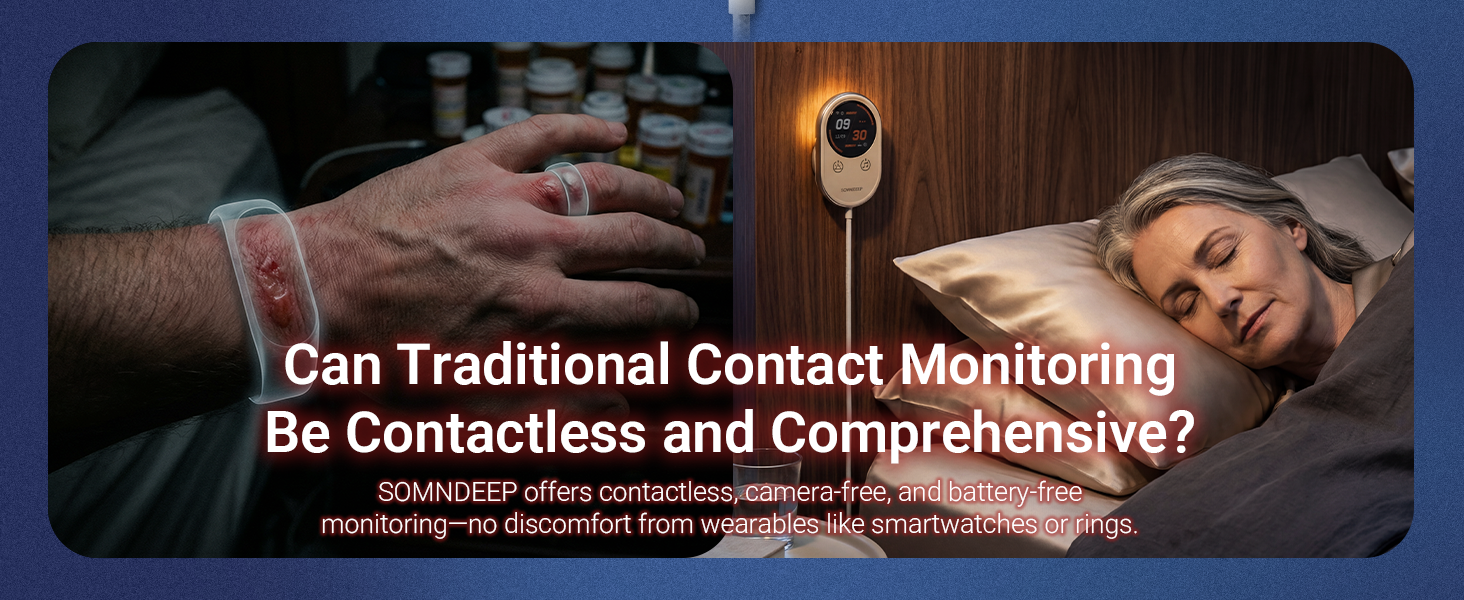
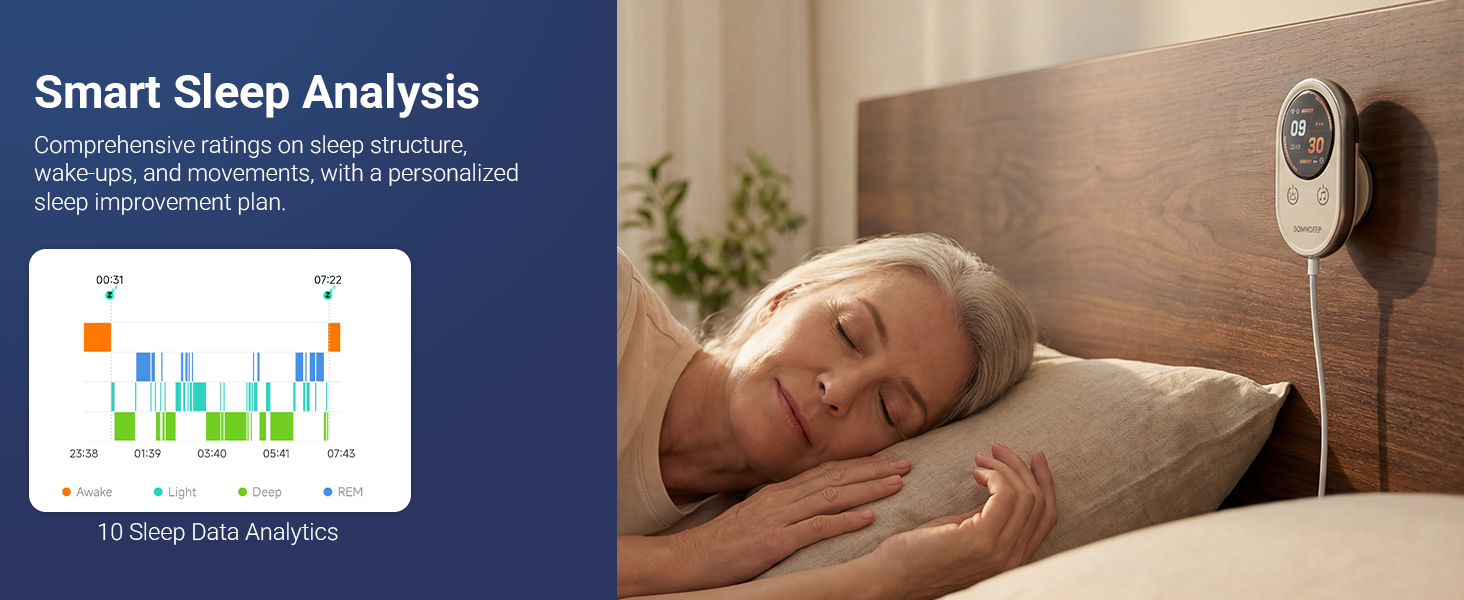
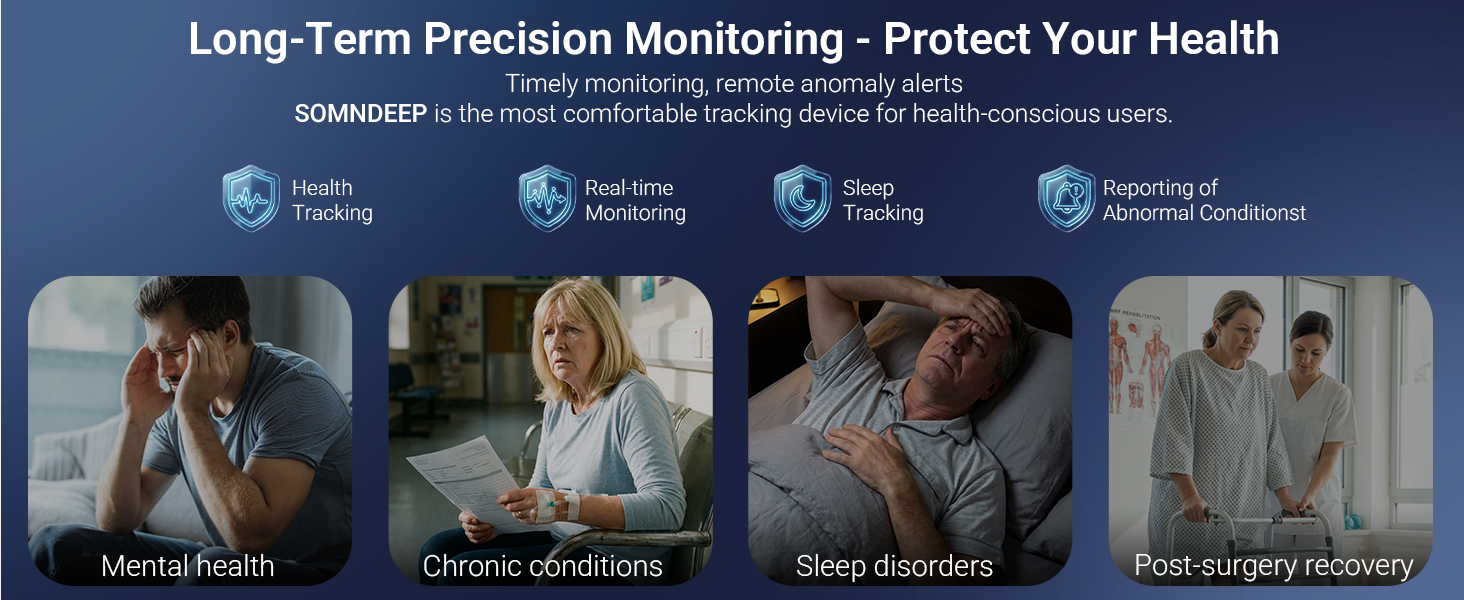
SOMNDEEP Introduces Contactless Sleep Monitoring Solution to Address Long-Term Wearable Drop-OffLos Angeles, March 22, 2026 (GLOBE NEWSWIRE) -- SOMNDEEP today introduced its contactless sleep monitoring solution, designed to address a growing challenge in digital health: the long-term abandonment of wearable devices. By removing the need for users to wear a device, remember nightly setup, or manage frequent charging, SOMNDEEP offers a passive approach to sleep tracking intended to support greater continuity and long-term usability. Wearables have changed how consumers engage with health data, providing ongoing access to metrics such as step count, heart rate, heart rate variability, and sleep patterns. Yet despite their growing sophistication, many wearable devices face a persistent issue: user engagement often declines over time. In many cases, users do not make an intentional decision to stop tracking. Instead, usage gradually fades. What begins as enthusiasm and curiosity can give way to missed nights, forgotten devices, inconsistent wear, and eventual disengagement. This pattern does not necessarily reflect a lack of interest in health monitoring. Rather, it suggests a disconnect between what many devices require and how people naturally behave over the long term. As wearable devices have become more advanced, they have also introduced new forms of friction into the user experience. Common challenges include charging fatigue, discomfort during overnight wear, forgetting to put the device back on, and a growing sense of being monitored rather than supported. While each of these issues may seem minor in isolation, together they can create a cumulative behavioral burden that makes long-term use harder to sustain. This challenge is particularly acute in sleep tracking. Unlike daytime health monitoring, sleep is a state defined by physical stillness, comfort, and mental disengagement. For many users, wearing a device to bed introduces a contradiction: the technology intended to measure rest can also interfere with it. Rings may feel restrictive, watches may add weight and awareness, and chest straps may feel clinical or intrusive. Over time, even motivated users may prioritize comfort over data collection.
According to SOMNDEEP, this is where many wearable-based sleep trackers face a structural limitation. In sleep monitoring, consistency often matters more than intensity. Missing a few nights may appear insignificant, but over weeks and months, inconsistent data collection can reduce the quality of long-term insights. In that sense, the central issue is not always the precision of the device, but whether people can realistically continue using it night after night. How Contactless Systems Change the Equation
Once installed, the system operates passively in the background—functioning as a contactless sleep monitor that aligns with the user’s environment rather than interrupting it. Less Interaction, More Continuity
The result is not just convenience—but continuity, which is essential for meaningful insights from any sleep tracker. Beyond Comfort: A Shift Toward Invisible Health Tech
Anyone experiencing “wearable fatigue” from traditional sleep trackers
Summary: Abandonment Is a Design Signal  Ryan Young [email protected]
|