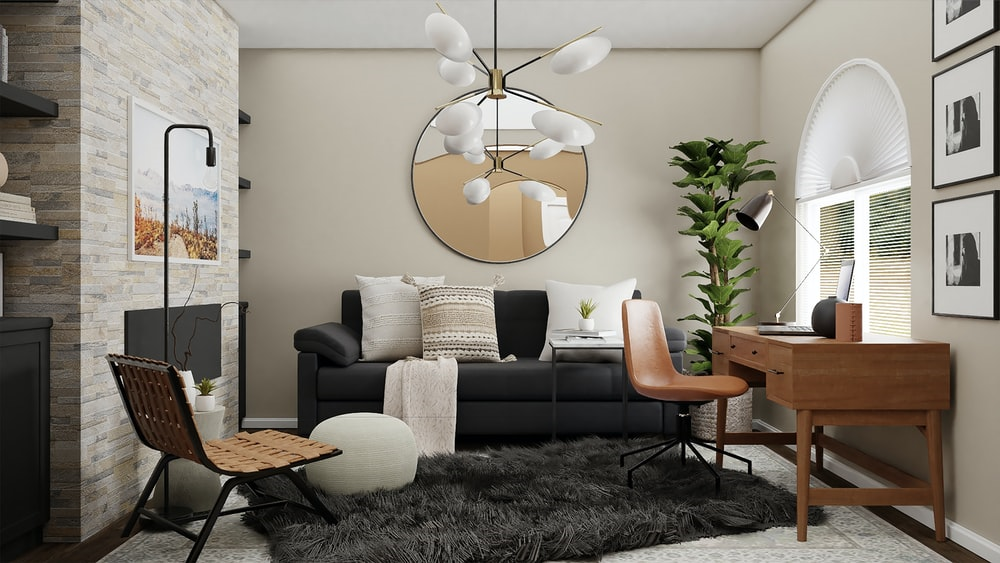
Houses are changing faster than ever today. Just a few years ago, adding technology to a home meant plugging in a smart speaker or setting up a digital thermostat. Today, a modern house relies on connected systems to manage energy, boost security, and make daily life easier. But how do you choose updates that actually last? Building a home that stands the test of time takes thoughtful planning. You want updates that add real value, cut down on everyday friction, and keep up with new technical developments without becoming outdated in just a couple of years.
Upgrading your living space isn't just about buying the latest gadgets on the market.
It’s about creating an infrastructure that adapts as your life changes. Whether you plan to stay in your place for decades or want to boost its value for a future sale, selecting the right technology upgrades makes all the difference.
Focus on Core Electrical and Network Infrastructure
Before you install smart lights or automated blinds, you need to look at the foundation of your home tech. Even the best devices will perform poorly if your network drops or your electrical panel can't handle the load.
First, take a look at your network. Wi-Fi is convenient, but physical Ethernet cables offer unmatched speed and stability. Running cables through key walls lets high-bandwidth devices like media centers, home office computers, and security hubs operate smoothly. And it keeps your wireless network clear for mobile devices.
Second, check your electrical panel. Older panels were built for basic appliances, not for today's heavy power demands. So, upgrading to a panel with more capacity prepares your property for high-draw additions like electric vehicle chargers, modern HVAC systems, and induction cooktops. Getting this work done early saves you from costly tear-outs down the road.
Invest in Energy Efficiency and Smart Management
Energy costs keep rising, which makes energy efficiency a top priority for any long-term home upgrade. Managing power consumption manually is tough, but smart technology makes it simple. Have you ever wondered how much power your home wastes while you are asleep or at work?
Smart thermostats learn your schedule and adjust temperatures automatically. They keep you from heating or cooling an empty house, which lowers your monthly utility bills. Paired with smart vents, these systems can direct airflow only to the rooms you're actually using.
Automated lighting is another practical addition. LED fixtures controlled by smart switches let you set schedules, dim lights remotely, and make sure lights aren't left on by mistake. Replacing traditional switches with smart switches is often better than buying individual smart bulbs because the switches control the fixture itself, no matter who flips the switch on the wall.
For anyone planning major home improvements, these systems offer a clear return on investment over time. Taking out an online loan can be a practical way to cover the upfront costs of large-scale energy upgrades, letting you complete the work all at once and start saving on utility bills right away.
Modernize Security and Access Control
Home security has moved far beyond noisy alarms that only go off after a break-in. Modern access control and security systems focus on real-time awareness and prevention.
A solid security setup starts at the front door. Smart locks let you unlock doors with a keypad, a smartphone, or a secure code. This gets rid of the need for physical keys and lets you give temporary access to guests, contractors, or delivery services. Combined with a video doorbell, you can see and talk with visitors from anywhere.
Is peace of mind really worth the upfront effort? Absolutely.
Comprehensive security also includes connected environmental sensors. Water leak detectors placed near water heaters, washing machines, and sinks alert you to a leak the moment it starts. But even better, automated shut-off valves can stop the main water supply if a pipe bursts while you're away, saving thousands of dollars in repairs.
Prioritize Open Standards and Ecosystem Flexibility
One of the biggest risks when installing technology is getting locked into a single system that might disappear in a few years. Future-proofing means choosing devices that work across multiple platforms. What happens if the brand you choose goes out of business next year?
Look for products that support open connectivity standards. Systems that integrate with major voice platforms and smart hubs give you the freedom to swap out individual components whenever you need to. If a company stops supporting a specific device, open standards make sure that device still communicates with the rest of your system.
Avoid proprietary ecosystems that force you to buy every single piece of equipment from one brand. Flexibility is really the key to longevity.
Plan for Health and Indoor Comfort
A future-proof property should also protect your health. Modern indoor environmental controls do more than adjust the temperature; they actively monitor and clean your air.
Whole-house air filtration systems clear out dust, pollen, and pollutants before they circulate through your rooms. Paired with smart air quality monitors, these systems can automatically boost ventilation when indoor air pollution spikes during cooking or cleaning.
Humidity control is just as important. High humidity encourages mold growth, while low humidity causes dry skin and irritation. Smart humidifiers and dehumidifiers integrated into your central HVAC system keep moisture levels in a healthy, ideal range automatically.
Prepare for the Transition to Clean Energy (News - Alert)
The shift toward renewable energy is moving fast.
Preparing your home for clean energy solutions today ensures you won't be left behind tomorrow.
Preparing your roof for solar panels is a smart move if you're planning to replace your roof soon. Ensuring structural support and pre-wiring for solar conduits makes installation much easier when you're ready to make the switch.
Adding battery storage is another big step toward energy independence. Home batteries store excess power generated during the day or draw power from the grid when rates are low. During outages, a battery system keeps essential circuits running smoothly without the noise or fumes of a gas generator.
Final Thoughts on Technical Upgrades
Upgrading your space with future-proof technology is a journey, not a single event. By focusing on strong infrastructure, energy efficiency, adaptable systems, and personal health, you create a living space that serves you well today and adapts easily to whatever comes next.
Start with the essential backbone of your home, prioritize systems that lower your operating costs, and always choose flexibility over novelty. That's how you build a space that truly stands the test of time.
