Artificial intelligence is already changing the way vehicles are designed, manufactured, sold and driven. While fully autonomous cars tend to attract the headlines, some of the most significant changes are happening behind the scenes, where AI is helping manufacturers improve safety, streamline production and create more personalised driving experiences.
For consumers, these developments may also influence the types of vehicles they consider and how they pay for them. Whether you're researching your next car, comparing finance options or reviewing Handy Finance's personal loan range, understanding how automotive technology is evolving can help you make a more informed purchasing decision.
As AI technology becomes more sophisticated, there are three key areas where it is likely to have an increasingly significant impact on the automotive industry.
1. Smarter and Safer Vehicles
One of the most visible applications of AI in the automotive industry is the development of smarter driver-assistance technology.
Modern vehicles can already include features such as adaptive cruise control, lane-keeping assistance, automatic emergency braking and blind-spot monitoring. AI allows these systems to process information from cameras, sensors and other vehicle technology to identify potential hazards and assist the driver.
Over time, these systems are likely to become considerably more sophisticated. Vehicles may become better at recognising pedestrians, anticipating the behaviour of other road users and responding to changing traffic or weather conditions.
This doesn't necessarily mean every vehicle will become fully autonomous. Instead, AI is likely to gradually take responsibility for more individual driving tasks.
For car buyers, this could make advanced safety and assistance technology an increasingly important consideration when comparing vehicles. Features that were once limited to luxury models may also become more common across mainstream vehicles as the technology matures.
2. AI-Powered Manufacturing and Maintenance
AI isn't only changing what happens behind the wheel. It's also transforming how vehicles are built and maintained.
Automotive manufacturing involves enormous amounts of data. Manufacturers need to manage complex supply chains, production schedules, quality control processes and thousands of individual components.
AI systems can analyse this information quickly and identify patterns that might otherwise be difficult to detect. Manufacturers can potentially use these insights to improve production efficiency, identify defects earlier and reduce unnecessary downtime.
Predictive maintenance could become equally important after a vehicle leaves the factory.
Rather than relying solely on fixed service intervals, increasingly sophisticated vehicle systems may monitor the condition of components and identify signs of potential problems before they result in a breakdown.
For motorists, this could eventually mean receiving an alert that a particular component requires attention rather than discovering the problem when something fails.
3. More Personalised Driving and Ownership Experiences
The third major area of change involves the relationship between drivers and their vehicles.
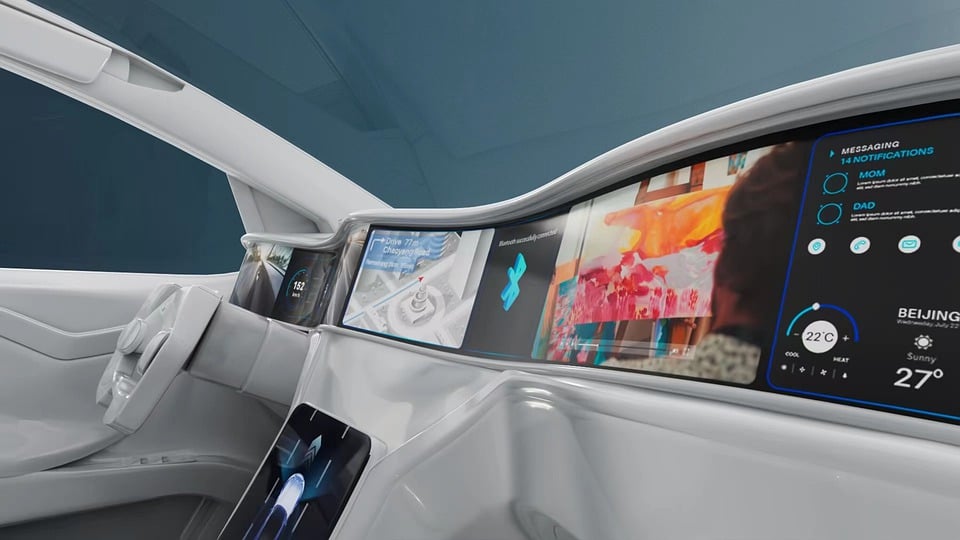
Cars are increasingly becoming connected digital platforms rather than purely mechanical machines. AI could accelerate this shift by allowing vehicles to learn more about individual driving habits and preferences.
For example, future systems could automatically adjust seating positions, climate controls, navigation settings or entertainment preferences depending on who is driving.
Navigation could also become more intelligent. Instead of simply calculating the shortest route, AI-powered systems may consider traffic conditions, driving habits, charging requirements for electric vehicles and even commonly visited destinations.
The buying and ownership experience could change as well. Automotive businesses may use AI to provide more personalised recommendations, customer support and servicing reminders based on individual circumstances.
The result could be a much more personalised relationship between motorists, manufacturers and dealerships.
What Does This Mean for Car Buyers?
New automotive technology can make comparing vehicles more complicated.
Price, fuel efficiency, reliability and performance remain important, but buyers increasingly need to consider software, driver-assistance features, connectivity and other technologies that may influence the long-term ownership experience.
It's also important to distinguish between technology you genuinely need and features that simply increase the purchase price.
Before buying a vehicle, consider how you'll actually use it. A sophisticated driver-assistance package might be valuable for someone regularly travelling long distances, while another buyer may place greater importance on reliability, running costs or cargo space.
The same principle applies to your budget. Rather than focusing exclusively on the maximum amount you can spend or borrow, consider the total cost of owning the vehicle, including registration, insurance, servicing, fuel or charging and ongoing maintenance.
AI Is Likely to Become a Bigger Part of Driving
Artificial intelligence isn't likely to transform the automotive industry through one dramatic breakthrough. Instead, its influence will probably continue to expand across numerous parts of vehicle design, manufacturing and ownership.
Smarter safety systems could help drivers identify and avoid hazards. AI-powered manufacturing and predictive maintenance could make vehicles more efficient to build and maintain. More personalised technology could also change how people interact with their cars every day.
For motorists, that means buying a car may increasingly involve comparing technology as well as traditional factors such as price, performance and reliability.
As vehicles continue to evolve, understanding which innovations provide genuine everyday value will help buyers choose technology that actually suits the way they drive.
