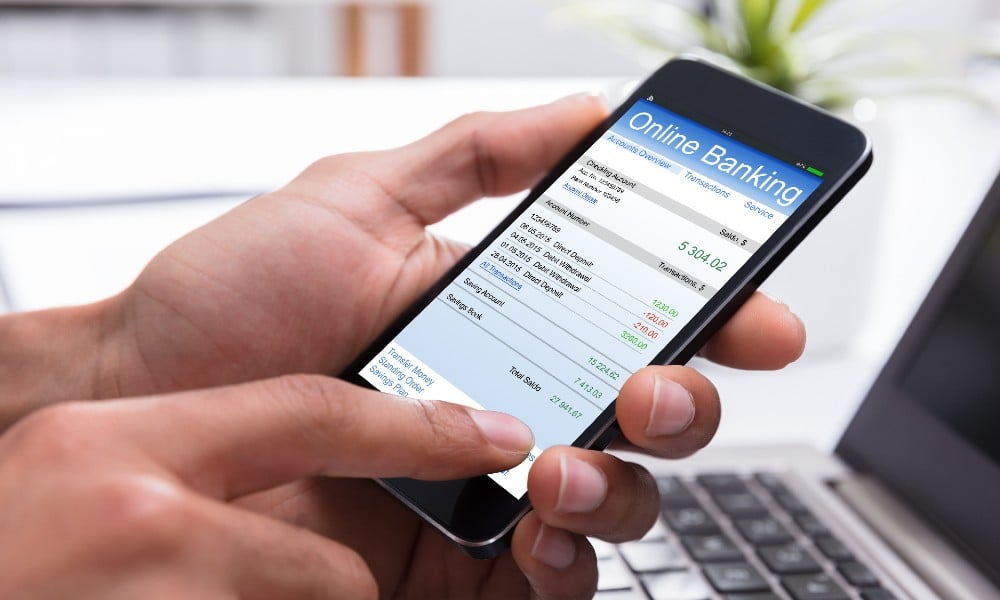
The shift from visiting a bank branch to managing money entirely through a phone or laptop has changed more than just convenience. It has changed how people track spending, save money, and manage their finances daily. What used to require a monthly paper statement or an in-person visit now happens continuously, in the background, often without much conscious effort. This shift has reshaped personal finance habits in ways that go beyond simply moving old processes online.
Constant Access Changed Daily Money Habits
One of the most significant changes has been the shift from periodic account reviews to constant visibility. Real-time balance checks and instant transaction notifications have replaced the once-a-month habit of reviewing a paper statement. Many people now see a notification within seconds of a purchase, making spending awareness a daily habit rather than something addressed only when a statement arrives.
Mobile check deposits and instant transfers have also reduced dependence on physical branches for routine tasks. Depositing a check, moving money between accounts, or paying another person can now happen without stepping into a bank, which has changed expectations for how quickly financial tasks should be completed.
Budgeting Tools Built Directly Into Banking
Budgeting used to require separate tools, whether a spreadsheet or a dedicated app. Many online banks now build spending categorization and budgeting dashboards directly into their platforms, showing users where their money goes without requiring a third-party service. Automatic alerts for low balances, unusual spending patterns, or upcoming bills have made it easier to catch problems before they become serious.
This has reduced, though not eliminated, reliance on separate budgeting apps, since many banks now offer similar functionality natively. For people who want a simple way to track spending without managing multiple platforms, this consolidation has made budgeting more accessible than it was even a decade ago.
Savings Behavior and Interest Rate Transparency
Online-only banks, which operate with lower overhead than traditional branch-based institutions, have generally been able to offer higher interest rates on savings accounts. This has made comparison shopping between banks far easier than it used to be, since rates and account terms are now published clearly and can be compared side by side within minutes.
As more people compare savings accounts online, understanding how does APY work has become more relevant, since it directly affects how much interest actually accumulates over time compared to a simple stated rate. APY accounts for compounding, meaning two accounts with similar advertised rates can produce different actual returns depending on how often interest is calculated and added to the balance. This transparency has pushed more people to compare accounts rather than stick with whatever bank they opened years earlier.
Automation Reducing Financial Oversight
Automation has taken over many tasks that once required manual attention. Automatic bill pay, scheduled transfers, and recurring savings deposits have reduced missed payments and made saving less dependent on remembering to do it manually. Round-up savings features, which move spare change from purchases into a savings or investment account, have tied saving directly to everyday spending behavior.
This shift represents a broader move from manual money management toward systems that run in the background with minimal ongoing input. Rather than requiring someone to actively decide to save each month, these systems make saving the default rather than an occasional decision.
Security and Fraud Monitoring in the Digital Era
Digital banking has also changed how quickly institutions identify and address problems. Real-time fraud alerts and the ability to freeze a card instantly through a mobile app have replaced the slower process of calling a bank and waiting for a representative. Two-factor authentication and biometric login, such as fingerprint or facial recognition, have added security layers that go beyond a simple password.
Dispute resolution has also become faster in many cases, with digital documentation replacing paper forms and allowing issues to be tracked and resolved through an app rather than in person or over the phone.
Increased Access to Financial Literacy Resources
Many banking apps now include educational content, spending insights, and goal-tracking features directly within the platform. This has lowered the barrier to entry for people learning to manage money independently, particularly those who didn't receive formal financial education elsewhere.
Comparing account types and financial products has also become easier, since much of that information is now available directly within an app rather than requiring a branch visit or a phone call. For many people, this has made basic financial literacy more accessible simply because the information is easier to find.
Conclusion
Online banking didn't just move existing processes onto a screen. It changed how people interact with their money daily, from constant balance visibility to automated savings and faster fraud protection. As digital banking tools continue to develop, they're likely to keep shaping how people budget, save, and think about their finances, often in ways that happen quietly in the background rather than through deliberate, periodic effort.
