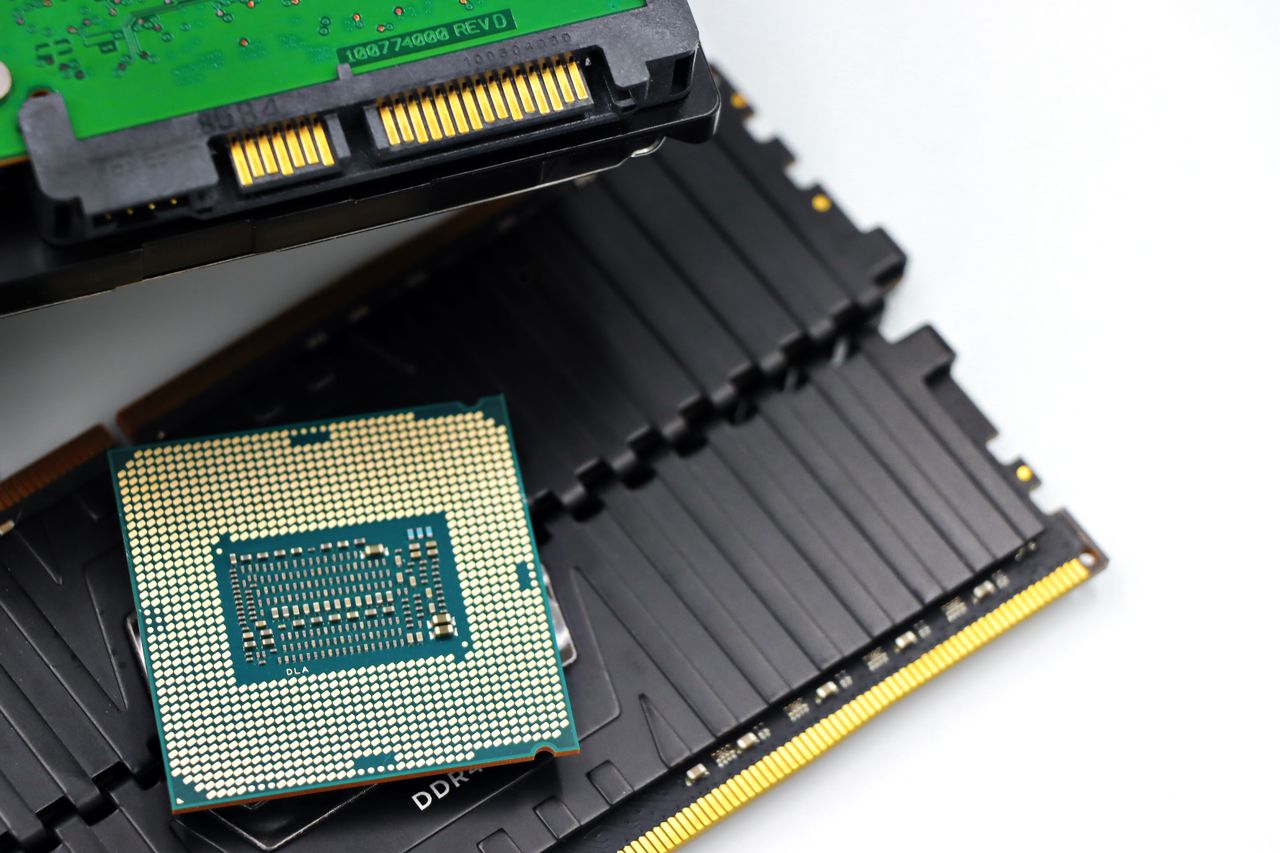
Computers have come a long way over the past decade. Tasks that once seemed demanding, such as editing high-resolution videos, running multiple applications at the same time, or participating in video meetings while sharing files, have become part of everyday life. At the same time, software developers continue to create more advanced programs that require greater system resources to function smoothly.
When people think about computer performance, they often focus on processors or graphics cards. While those components are important, memory plays an equally critical role in determining how efficiently a system operates. Whether someone is working remotely, gaming, creating content, or simply browsing the internet, memory helps keep everything running smoothly behind the scenes.
As technology continues to evolve, the amount of memory required for comfortable computing is steadily increasing. Understanding why memory matters and how it affects overall system performance can help users make smarter decisions when upgrading or purchasing hardware.
Why Memory Has Become a Core Component of Computer Performance
Modern software is far more demanding than it was just a few years ago. Web browsers alone can consume significant amounts of memory, especially when users keep multiple tabs open throughout the day. Add video conferencing software, productivity applications, cloud-based tools, and streaming services, and the demand on system resources quickly grows.
When a computer doesn't have enough memory available, performance problems often follow. Applications may take longer to open, switching between tasks can become sluggish, and the entire system may feel less responsive. In many cases, the processor is not the problem. Instead, the system simply lacks enough memory to handle current workloads efficiently.
This is one reason many users choose to upgrade memory before replacing an entire computer. For those looking to improve performance without a major investment, it's often practical to buy RAM from trusted online hardware marketplaces that offer compatible options for different systems, helping extend the life and responsiveness of existing devices.
As software continues to evolve, memory has become one of the most important factors in maintaining a smooth and productive computing experience.
Understanding the Role of RAM (News - Alert) in Modern Computing
RAM, or Random Access Memory, serves as a computer's temporary workspace. Unlike a hard drive or solid-state drive that stores files permanently, RAM holds information that the computer actively uses while applications are running.
Whenever a user opens a program, launches a game, edits a document, or loads a website, data is temporarily stored in memory so the processor can access it quickly. The more memory available, the more tasks the system can handle simultaneously without slowing down.
Think of RAM as a desk where work is performed. A larger desk provides more space to spread out materials and work efficiently. A smaller desk limits productivity because items constantly need to be moved around. Similarly, insufficient memory forces the system to rely more heavily on storage devices, which are significantly slower than RAM.
This direct relationship between memory and responsiveness explains why RAM upgrades often deliver noticeable improvements in everyday performance.
The Rise of Multitasking and Memory Demands
Today's users rarely perform one task at a time. Instead, modern computing revolves around multitasking.
A typical workday may involve responding to emails, participating in video meetings, managing spreadsheets, conducting online research, and communicating through messaging platforms simultaneously. Each of these applications consumes memory.
The rise of cloud computing has also contributed to increased memory usage. Many tools that once operated locally now run through web browsers. While convenient, browser-based applications often require substantial resources, particularly when multiple tabs remain open.
Without sufficient memory, switching between applications becomes slower, and users may experience delays that interrupt workflow. These small interruptions can accumulate throughout the day, reducing productivity and increasing frustration.
As workplaces become increasingly digital, adequate memory is no longer a luxury. It has become a necessity for maintaining efficient and seamless multitasking capabilities.
Memory Requirements in Gaming and Content Creation
Gaming and content creation represent two of the most memory-intensive activities in modern computing.
Today's games feature detailed graphics, expansive open worlds, advanced artificial intelligence systems, and real-time multiplayer interactions. All of these elements rely heavily on memory. Insufficient RAM can lead to stuttering, slower load times, and reduced performance during gameplay.
Content creators face similar challenges. Video editing software, graphic design programs, and animation tools frequently work with large files that require substantial memory resources. High-resolution images and 4K video projects can quickly consume available RAM, especially when multiple applications are open simultaneously.
Live streaming adds another layer of complexity. Streamers often run games, broadcasting software, chat applications, and browser windows at the same time. Without enough memory, maintaining smooth performance across all tasks becomes difficult.
For both gamers and creators, memory plays a direct role in delivering a smoother and more enjoyable experience.
Artificial Intelligence and the Growing Need for Memory
Artificial intelligence is becoming increasingly common in everyday technology. From writing assistants and image generators to customer support tools and predictive analytics platforms, AI applications are now integrated into many workflows.
These technologies often process large amounts of information in real time. As a result, they require substantial memory resources to operate efficiently. The larger the dataset or model being used, the greater the memory demand.
Even consumer-focused AI tools can place additional pressure on system resources. As more software incorporates AI-powered features, memory requirements are expected to continue increasing.
Businesses are also investing heavily in AI solutions to improve efficiency and automate processes. Employees who use AI-enhanced applications may find that older systems struggle to keep up with new workloads if memory capacity is limited.
The growing adoption of artificial intelligence makes memory an increasingly important component of future-ready computing systems.
Memory has become one of the most important components in modern computing. While processors and graphics cards often receive most of the attention, RAM plays a central role in determining how smoothly a system handles everyday tasks, multitasking, gaming, content creation, and artificial intelligence applications.
As software grows more powerful and user expectations continue to rise, memory requirements will only increase. Systems with adequate memory are better equipped to handle current workloads and adapt to future technological advancements.
Whether upgrading an existing computer or purchasing a new one, understanding the value of memory can help users achieve better performance, greater productivity, and a more enjoyable computing experience. In today's digital world, memory is no longer just a supporting component. It is a foundation of modern computing itself.
