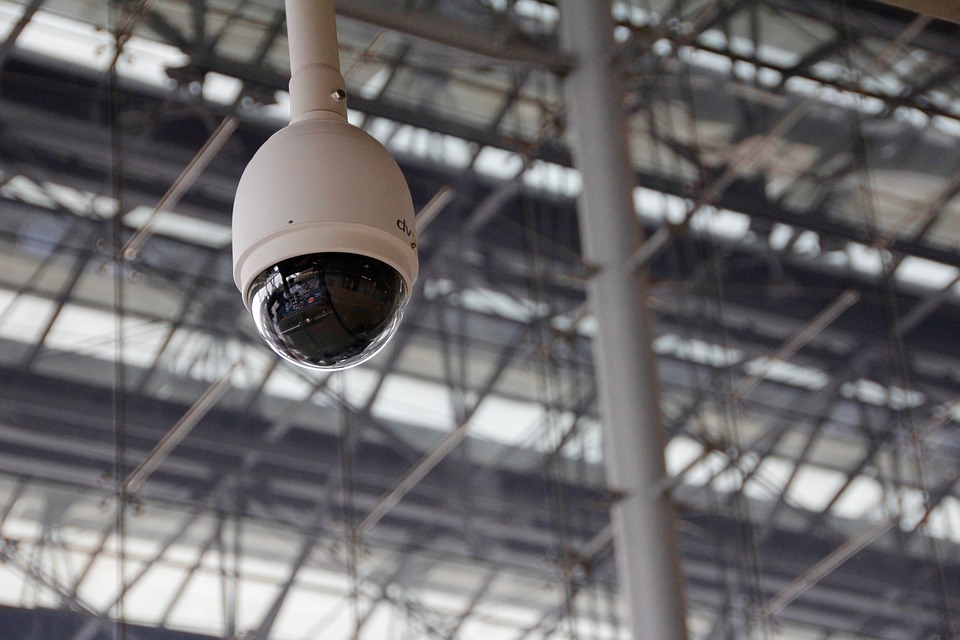
Las Vegas operates one of the most heavily surveilled commercial environments in the United States. Casino floors, parking structures, hotel corridors, taxi stands, rideshare pickup zones, and major intersections all feature continuous video coverage. Add vehicle telematics from commercial fleets, body cameras from law enforcement, dashcams from private drivers, and the rapidly growing prevalence of doorbell cameras across residential neighborhoods, and the Clark County environment generates an extraordinary volume of digital evidence relevant to serious incidents. For wrongful death cases involving Hispanic workers and families, including casino employees, construction workers, rideshare drivers, and tourists, the digital evidence landscape has transformed how cases are investigated and resolved. Understanding how this evidence works in practice is now part of competent wrongful death litigation.
What Digital Evidence Looks Like in Clark County
Several categories of digital evidence appear regularly in Las Vegas wrongful death cases.
Casino surveillance footage. Strip and downtown casino properties maintain comprehensive video coverage of public areas, gaming floors, food and beverage outlets, hotel corridors, and parking facilities. The footage is generally retained for limited periods before being overwritten. Preserving this footage quickly is critical.
Hotel and resort property cameras. Beyond the casino floor, hotel and resort properties typically operate extensive camera systems in lobbies, restaurants, pool areas, and parking structures.
Traffic and intersection cameras. The City of Las Vegas and the Nevada Department of Transportation operate traffic management cameras at major intersections.
Vehicle telematics. Commercial vehicles operating in the Las Vegas valley, including taxis, rideshare vehicles, delivery vans, and 18-wheelers, frequently transmit detailed operational data to fleet management systems. The data includes speed, location, braking, and acceleration patterns.
Rideshare platform data. Uber and Lyft maintain detailed trip records that include GPS tracks, timing, and driver behavior metrics. The data is accessible through proper legal process.
Personal device data. Smartphone location data, fitness tracker records, and connected vehicle data from the decedent's own devices can establish the decedent's location, activity, and physical state in the period before death.
Body cameras and law enforcement video. Las Vegas Metropolitan Police Department officers and Nevada Highway Patrol troopers typically operate body cameras and vehicle cameras. Public records requests can access some of this footage.
Information about Nevada law enforcement and public safety programs is available through the Nevada Department of Public Safety.
How Digital Evidence Affects Wrongful Death Cases
For wrongful death cases under Nevada Revised Statutes Chapter 41, the digital evidence framework can shape outcomes in several significant ways.
Liability evidence. In motor vehicle cases, intersection cameras, dashcam footage, and vehicle telematics can establish who had the right of way, what speeds were involved, and how the crash unfolded. The evidence is often more reliable than witness testimony.
Premises liability. For deaths occurring on casino property, hotel property, or other commercial premises, surveillance footage can establish the actual conditions at the scene, the property's response to those conditions, and the timeline of events leading to the death.
Defense rebuttals. The same evidence that supports the plaintiff's case can also undermine defense theories. When a casino claims that adequate warnings were posted, that staff responded promptly, or that the decedent's own conduct caused the incident, surveillance footage can definitively confirm or refute those claims.
Damages evidence. For decedents whose work, family activities, or daily routines were captured on video before the death, the evidence can support damages claims showing the decedent's relationships with family members, their physical capabilities, and their quality of life.
The challenge in all of these areas is that retention periods are often short. Counsel needs to send preservation letters within days, sometimes within hours, of a serious incident.
The Specific Concerns of Hispanic Workers and Families
For Hispanic workers and families in Clark County, several specific concerns shape how wrongful death cases develop.
Language and documentation. Cases involving Spanish-speaking decedents and families benefit from counsel and investigators who can work effectively in Spanish, both with witnesses and with documentation review.
Immigration status concerns. The immigration status of family members can sometimes affect their participation in cases. Nevada law and federal protections generally protect family members from immigration consequences for participating in legal proceedings, but families understandably have concerns.
Industry-specific patterns. Hispanic workers are concentrated in several Clark County industries with elevated injury rates, including casino service work, construction, landscaping, and food service. Industry-specific knowledge often matters in case development.
Cultural sensitivity. End-of-life decisions, settlement allocations among family members, and case strategy all benefit from counsel familiar with cultural patterns within the Hispanic community.
Coverage from outlets including the Las Vegas Review-Journal has documented patterns in Clark County workplace deaths, traffic fatalities, and the role of digital evidence in major cases.
What Families Should Do After a Serious Loss
For an experienced perspective on these matters, Centro Legal Hispano in Las Vegas handles wrongful death cases for Spanish-speaking families across Clark County, with experience in cases involving casino property incidents, traffic fatalities, and workplace deaths.
Several practical steps make a meaningful difference.
Engage counsel quickly. The preservation letter window for surveillance footage and electronic data is often short. Decisions made in the first days after a death can determine what evidence is available.
Identify all potential video sources. Counsel can systematically identify casinos, hotels, businesses, and government entities whose cameras may have captured relevant footage.
Preserve the decedent's devices. Smartphones, fitness trackers, and connected vehicle systems may contain data relevant to the case. These devices should be preserved rather than reset or returned.
Document family relationships and the decedent's role. Wrongful death damages depend significantly on the relationships the decedent had with family members and the family's reliance on the decedent.
Coordinate carefully with the criminal investigation if one exists. Some wrongful death cases run in parallel with criminal investigations, and the legal strategies need to be coordinated.
For Las Vegas Hispanic families facing the aftermath of a wrongful death, the digital evidence landscape provides meaningful tools when used properly. Acting quickly is the foundation of any successful case.
