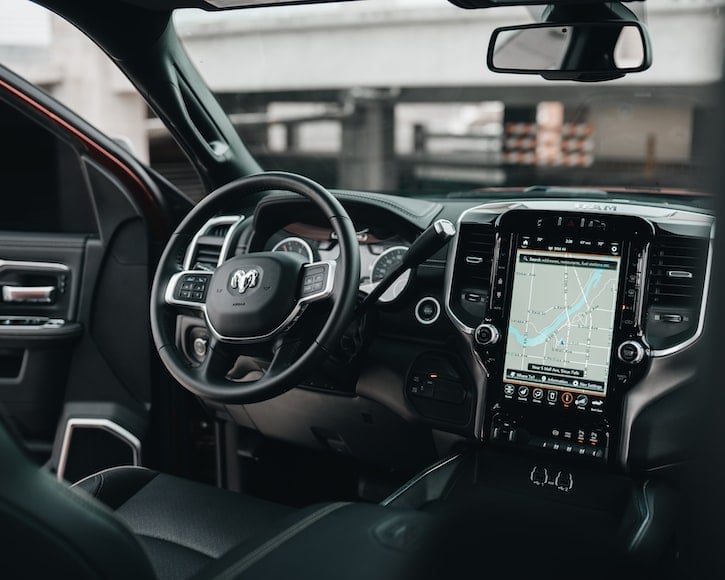
Buying a vehicle is no longer just about engines, transmissions, and mechanical performance. Modern cars rely heavily on software, sensors, artificial intelligence features, driver-assistance systems, connected services, and complex onboard computers. While these innovations improve safety and convenience, they can also introduce recurring defects that leave consumers frustrated and financially burdened.
When repeated repair attempts fail to resolve serious vehicle problems, a Lemon law attorney can help consumers pursue legal remedies available under state and federal consumer protection laws. From malfunctioning infotainment systems to persistent battery failures in electric vehicles, lemon law claims are becoming increasingly relevant in today's technology-focused automotive landscape.
Why Vehicle Technology Is Increasing Lemon Law Claims
Modern vehicles contain dozens of electronic control units that communicate continuously to manage braking, steering, navigation, safety systems, and performance functions. A software glitch can sometimes create problems that are just as disruptive as a mechanical failure.
Many consumers discover that repeated dealership visits do not permanently fix issues such as screen freezes, sensor malfunctions, autonomous driving errors, battery management failures, or connectivity problems. When defects continue despite multiple repair attempts, the vehicle may qualify for protection under lemon law statutes.
A Lemon Law Attorney evaluates repair histories, manufacturer communications, diagnostic reports, and warranty records to determine whether a claim meets legal requirements. As automotive technology grows more complex, legal representation often becomes valuable when manufacturers dispute the seriousness of software-related defects.
What a Lemon Law Attorney Actually Does
A Lemon Law Attorney represents consumers who purchased or leased vehicles with recurring defects that significantly affect safety, value, or usability. Their primary objective is to help clients secure remedies provided by applicable lemon law regulations.
These remedies may include vehicle replacement, refund of purchase costs, reimbursement of repair expenses, compensation for diminished value, or settlement agreements with manufacturers. Attorneys also handle negotiations, evidence collection, legal filings, and communication with corporate legal teams that represent automobile manufacturers.
Reviewing Technical Evidence
Modern lemon law cases frequently involve digital diagnostic reports, software update histories, warranty repair records, and vehicle data logs. These documents can provide important evidence showing that defects persist despite repair efforts.
Negotiating With Manufacturers
Automakers often have dedicated legal departments focused on consumer disputes. An attorney helps balance this advantage by presenting documented evidence and pursuing a resolution that aligns with applicable consumer protection laws.
Common Vehicle Defects That May Qualify Under Lemon Laws
Not every vehicle problem qualifies as a lemon law case. The defect generally must be substantial and remain unresolved after a reasonable number of repair attempts.
Technology-related defects have become increasingly common in recent years. Issues involving battery systems, advanced driver assistance technologies, electronic braking controls, navigation systems, and vehicle software often appear in consumer complaints.
Examples include:
- Repeated infotainment system crashes
- Electric vehicle charging failures
- Persistent battery defects
- Faulty collision avoidance systems
- Autonomous driving software errors
- Sensor calibration failures
- Backup camera malfunctions
- Digital dashboard failures
These issues may impact vehicle safety, performance, and reliability, making legal evaluation important when repairs repeatedly fail.
How Lemon Laws Apply to Electric and Connected Vehicles
Electric vehicles have introduced a new category of lemon law disputes. Unlike traditional automobiles, EVs rely extensively on software updates, battery management systems, charging infrastructure integration, and cloud-based connectivity.
A malfunctioning battery system can significantly reduce vehicle range and usability. Similarly, software defects may disable critical features that consumers relied upon when purchasing the vehicle. As manufacturers continue releasing over-the-air updates, some consumers face recurring problems that remain unresolved despite multiple software patches.
A Lemon Law Attorney can assess whether recurring EV-related defects meet legal standards for compensation or replacement. This area of law continues evolving as connected vehicle technologies become more common throughout the automotive industry.
Documentation Can Make or Break a Claim
One of the most overlooked aspects of lemon law cases is recordkeeping. Strong documentation often determines whether a consumer can successfully demonstrate a pattern of unresolved defects.
Every service visit, repair invoice, warranty claim, diagnostic report, email exchange, and manufacturer communication should be preserved. These records help establish the history of the problem and demonstrate that reasonable repair opportunities were provided.
Consumers should also maintain a timeline of vehicle issues, including dates, symptoms, dealership visits, and software updates. Detailed records create a stronger foundation for legal review and can improve negotiation outcomes with manufacturers.
Understanding Manufacturer Buybacks and Settlements
Many lemon law disputes are resolved without reaching trial. Manufacturers may offer buybacks, replacements, or financial settlements once evidence demonstrates that a qualifying defect exists.
A buyback typically involves reimbursement of the vehicle purchase price minus a legally defined usage deduction. In some situations, consumers may prefer a replacement vehicle or negotiated settlement rather than returning the automobile entirely.
Because settlement offers vary considerably, legal review can help consumers understand whether a proposed resolution fairly reflects the vehicle's defects, repair history, and financial losses. Evaluating these options carefully often leads to better long-term outcomes.
Choosing the Right Lemon Law Attorney
Not every attorney regularly handles vehicle defect cases. Consumers should focus on lawyers who have experience dealing with manufacturer disputes, warranty claims, automotive technology issues, and consumer protection laws.
The most effective representation often comes from attorneys who understand both legal procedures and the technical aspects of modern vehicles. This combination becomes especially important when cases involve software diagnostics, electric vehicle systems, advanced driver-assistance technologies, or recurring electronic failures.
Before moving forward, consumers should review the attorney's experience, case history, communication approach, and understanding of technology-driven automotive disputes. A thorough evaluation helps ensure that legal representation aligns with the complexity of the case.
The Future of Lemon Law Cases in Smart Mobility
The automotive industry is rapidly moving toward connected vehicles, autonomous technologies, artificial intelligence systems, and advanced electric mobility solutions. While these innovations offer new benefits, they also create additional opportunities for software-related defects and system failures.
As vehicles become increasingly dependent on technology, lemon law disputes are likely to involve more data analysis, digital evidence, cybersecurity concerns, software performance issues, and remote system updates. Consumer protection laws will continue playing an important role in ensuring that manufacturers remain accountable when products fail to perform as promised.
For vehicle owners facing recurring defects, understanding legal rights early can make a significant difference. A Lemon law attorney helps consumers assess available options and pursue remedies designed to restore confidence in a major automotive investment.
Final Thoughts
Today's vehicles function more like computers on wheels than traditional automobiles. Advanced software, connected technologies, electric powertrains, and intelligent safety systems have created new challenges for consumers when defects arise. While manufacturers continue innovating, consumers should not bear the burden of repeated repairs and unresolved performance issues.
A Lemon Law Attorney serves as an important advocate for individuals dealing with defective vehicles, helping them understand their rights and pursue appropriate legal remedies. Whether the issue involves a recurring software malfunction, electric vehicle battery defect, or persistent safety-system failure, taking action early can help protect both financial interests and consumer confidence.
