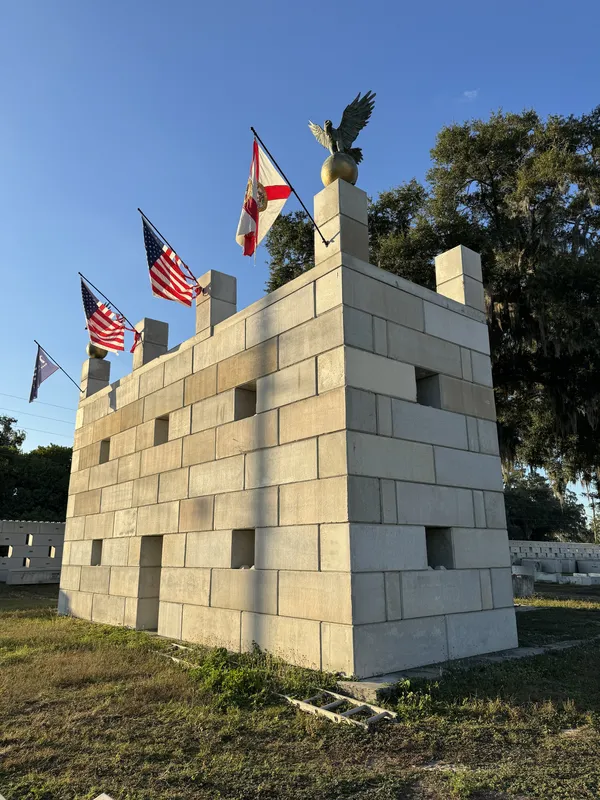
Stackable concrete blocks are a versatile solution for building retaining walls, barriers, and storage bins at construction sites. Using concrete block forms allows for efficient production of these blocks, ensuring uniformity and structural integrity. This article examines the step-by-step process of using concrete block forms to create reliable stackable blocks for various construction applications.
Producing stackable concrete blocks starts with selecting the right molds and understanding the batch requirements for your project. Many construction suppliers, including Betonblock, offer high-quality concrete block forms designed to create blocks of specific sizes and shapes. With the correct preparation and attention to detail, these molds provide a streamlined way to deliver consistent results for site needs.
Choosing and preparing concrete block forms
Selecting the proper block forms is the first step when planning to make stackable concrete blocks. Manufacturers produce molds in various shapes and sizes, accommodating custom requirements or standardized site uses. Durable steel molds are preferred for heavy-duty projects and frequent reuse, while lighter forms may be suitable for small batches or temporary structures.
Before pouring, thorough cleaning and inspection of the forms are essential to prevent leftover residue or damage from affecting the finished block. Applying a release agent ensures smooth removal of the hardened block and maintains the form’s longevity. Secure placement on level ground or a support table further minimizes the risk of uneven curing.
Mixing and pouring the concrete
Achieving consistency in the concrete mix is crucial for producing stackable blocks that meet strength requirements. The mix should be developed according to the manufacturer’s specifications, balancing cement, aggregate, and water for proper compaction and curing. Excess water can weaken the final product, so careful measurement is recommended throughout the process.
Once the mix is ready, it is poured into the prepared block forms in layers, using vibration or tamping tools to remove air bubbles for a dense finish. Depending on the form design, built-in dividers or features help create interlocking shapes that facilitate vertical and horizontal stacking. Filling the mold evenly and monitoring during the initial setting phase helps ensure the desired outcome.
Curing, demolding, and stacking the finished blocks
After the concrete has been poured, it must cure within the forms for a period specified by the recipe and ambient conditions. Avoiding early removal protects against cracks or deformation. Once the block reaches appropriate strength, the form is carefully separated and inspected for any defects before further handling.
Stackable blocks are best moved with a forklift or suitable lifting equipment to protect edges and maintain shape. Properly cured blocks can be stacked on pallets or at the work site, ready for use in building walls or partitions. Using durable concrete block forms helps maintain uniformity and reliable performance across every batch, supporting project efficiency and safety from production to construction deployment.
