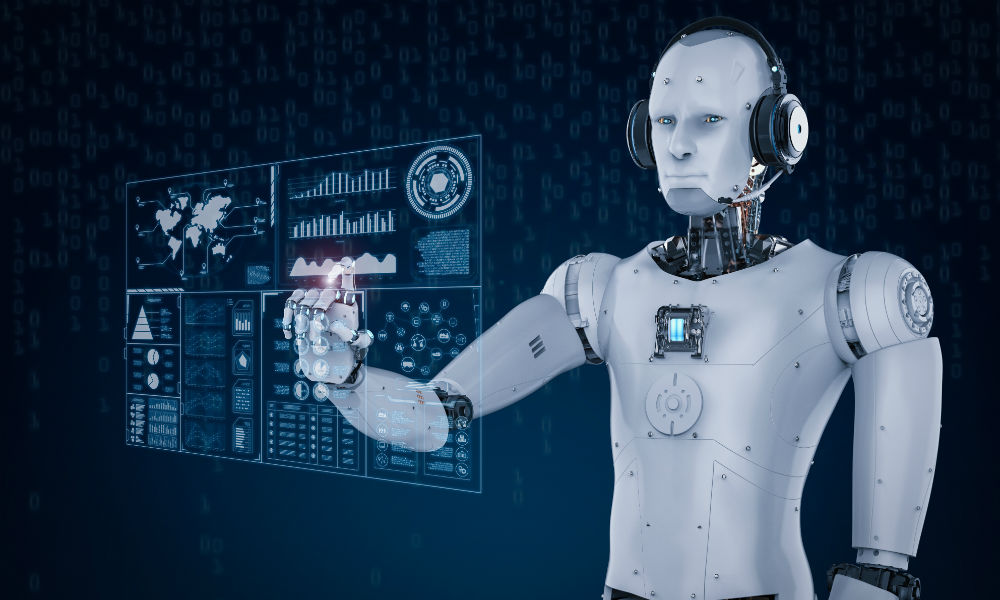
In the past decade, intelligent technology has moved from niche applications to a central role in everyday life. From businesses to hospitals, classrooms, and creative studios, organizations are discovering that smart systems can help them make faster decisions, optimize operations, and deliver new experiences that were previously impossible.
Unlike earlier technological revolutions, which often required large-scale infrastructure changes, today’s intelligent systems integrate almost invisibly. They work alongside humans to enhance our capabilities rather than replace them. Automated processes, predictive models, and creative platforms quietly support operations in ways we may not always notice — yet their impact is profound.
Consider the retail environment. From predictive inventory management to personalized marketing campaigns, businesses are using intelligent technology to respond to customer needs more efficiently and accurately. Hospitals are diagnosing diseases faster, schools are tailoring education to individual students, and creatives are experimenting with entirely new forms of content, including music designed for commercial spaces.
The invisible revolution is here, and it is reshaping industries from the inside out.
Smarter Decisions, Faster Results: How Businesses Gain an Edge
Data is one of the most valuable resources in modern business, but raw information alone is not enough. Intelligent systems analyze massive datasets, uncovering patterns and insights that would be impossible for humans to detect manually.
Retailers, for example, use predictive analytics to forecast demand, combining sales data with external factors such as weather, social trends, and regional events. This helps prevent overstocking, reduces waste, and ensures popular products are available when customers want them.
Marketing departments also benefit. By analyzing customer interactions across websites, social media, and email campaigns, intelligent tools suggest personalized recommendations and targeted messaging. This level of precision improves engagement, increases conversions, and allows marketers to allocate budgets more effectively.
Even internal operations are streamlined. Scheduling, reporting, expense management, and other administrative tasks can be automated, freeing managers to focus on strategic priorities. Teams that embrace these technologies are able to move from reactive problem-solving to proactive decision-making, gaining a competitive edge in a fast-paced business landscape.
Startups are also leveraging intelligent technology to innovate. Cloud-based platforms and AI-powered APIs allow small teams to access the same analytical and automation tools previously reserved for large enterprises. This democratization of technology is fostering new business models and creating opportunities for rapid growth.
Medicine Gets a High-Tech Partner
Healthcare has emerged as one of the most tangible beneficiaries of intelligent technology. Hospitals, clinics, and research labs are leveraging advanced tools to improve patient outcomes, reduce costs, and accelerate innovation.
Medical imaging, for instance, is being transformed. Algorithms can analyze X-rays, CT scans, and MRIs, detecting subtle abnormalities that might go unnoticed by human eyes. Radiologists now have intelligent systems that serve as a second opinion, improving diagnostic accuracy and enabling earlier treatment.
Beyond diagnostics, predictive models are helping hospitals anticipate patient needs. Bed occupancy, staff allocation, and even emergency room traffic can be forecast with high accuracy, ensuring resources are used efficiently and patients receive timely care.
Drug discovery and clinical research are also being accelerated. By analyzing genetic data and simulating molecular interactions, algorithms can identify potential therapies more quickly than traditional methods, speeding up the path from research to clinical trials.
Even everyday administrative tasks benefit. Scheduling systems, electronic health records, and billing processes are increasingly automated, freeing medical professionals to spend more time with patients. The combination of analytical insight and operational support demonstrates how intelligent technology can enhance both efficiency and quality of care.
Personalized Learning for Every Student
Education is another sector undergoing dramatic change. Intelligent platforms are creating adaptive learning environments that respond to individual students’ strengths, weaknesses, and learning styles.
In traditional classrooms, teachers often struggle to provide tailored attention to every student. Intelligent systems track performance in real time, suggest personalized resources, and flag students who may need extra support. Teachers can focus on mentoring and guidance while repetitive tasks, such as grading quizzes or assigning reading materials, are handled automatically.
Corporate training programs also benefit. Companies can use smart platforms to upskill employees, recommend relevant courses, and simulate real-world scenarios. Employees learn faster and retain knowledge more effectively when learning paths are personalized.
Education is no longer a one-size-fits-all approach. Intelligent systems are enabling learners to progress at their own pace, while institutions gain the ability to measure outcomes, adjust curricula, and support individual growth with unprecedented precision.
Creative Work Enters a New Era
Creativity is no longer purely human. Marketing teams, designers, and content creators are now using intelligent tools to generate ideas, visuals, copy, and even music. These systems do not replace humans but serve as collaborators, offering suggestions, automating repetitive tasks, and expanding creative possibilities.
Music is a particularly exciting example for businesses. Restaurants, retail stores, gyms, and hotels rely on background music to influence atmosphere and customer experience. Traditionally, creating playlists and managing licensing was complex and costly. Now, platforms providing AI music for business allow companies to generate original soundtracks tailored to brand identity, mood, and tempo preferences. These tracks are royalty-free and legally safe, simplifying operations while enhancing the customer experience.
Similarly, visual design tools can automatically generate graphics, layouts, and marketing materials. Copywriting assistants draft content faster, suggest variations, and ensure consistency across campaigns. This combination of human creativity and intelligent support is opening new frontiers in branding, advertising, and media production.
Infrastructure and Innovation: Thinking Beyond the Office
Intelligent technology is also accelerating innovation in robotics, urban planning, and connected devices. In manufacturing, computer vision systems identify defects with precision far beyond human capabilities. Smart sensors monitor equipment in real time, predicting maintenance needs and preventing downtime.
Cities are becoming smarter as well. Traffic systems adjust dynamically to flow patterns, energy grids optimize consumption, and environmental monitoring provides early alerts for pollution or hazards. The convergence of intelligent systems with the Internet of Things (IoT) is creating responsive infrastructures that improve efficiency, safety, and sustainability.
Smaller companies and startups benefit from accessible cloud platforms and open-source frameworks. With these tools, they can experiment, innovate, and scale solutions that were previously only feasible for large corporations, driving a new wave of entrepreneurship and technological advancement.
Conclusion: Humans and Machines Working Together
The true power of intelligent technology lies not in replacement but in collaboration. Businesses, healthcare providers, educators, and creatives are discovering that combining human expertise with intelligent systems produces superior results.
From data-driven decisions to predictive healthcare, personalized learning, and AI-assisted creative work, these tools enhance productivity, foster innovation, and create opportunities that were unimaginable a decade ago.
As organizations continue to integrate intelligent technologies thoughtfully, they will not only improve operational efficiency but also unlock entirely new ways of interacting with customers, patients, and learners. The transformation is ongoing, subtle, and profoundly impactful — a quiet revolution shaping the future of work, creativity, and society.
Author: Dima Glybov
Dima Glybov is an IT and marketing copywriter creating clear, engaging content for technology audiences.
