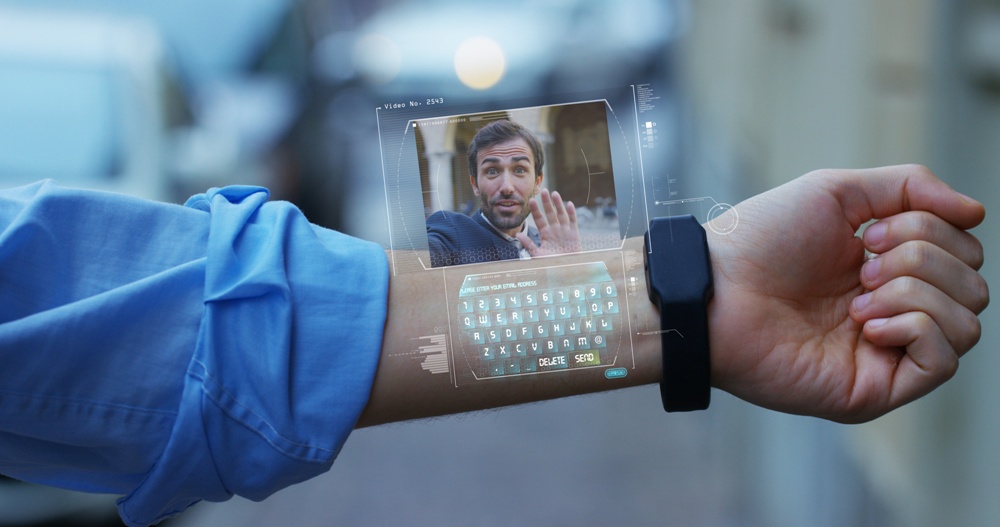
Wearable technology has moved far beyond its early identity. The first wave focused mostly on tracking steps, heart rate, and notifications from smartphones. Devices were useful, but their scope was limited.
Today, the focus has expanded. Wearables are increasingly designed to support communication, accessibility, and seamless integration with the digital tools people rely on every day.
Hybrid work, remote collaboration, and digital communication platforms have also changed how people interact. Meetings now happen across time zones. Conversations move between physical spaces and online environments. In this context, audio clarity has become just as important as connectivity.
Innovation in sound processing is now playing a central role in the next generation of wearable devices. Engineers and designers are exploring ways to integrate advanced audio capabilities into everyday objects that people already wear comfortably.
One of the most interesting developments in this area is the emergence of hearing glasses. By combining vision and audio technology in a familiar form factor, these devices represent a new direction in assistive listening and wearable design.
The Evolution of Assistive Listening Technology
Assistive listening technology has progressed through several major stages over the past decades.
Early devices were based on simple analog amplification. These systems increased the volume of incoming sound but lacked precision. They often amplified background noise along with speech, making conversations in crowded environments difficult.
The introduction of digital signal processing marked a significant shift. DSP technology allowed devices to analyze sound more intelligently. Instead of simply boosting all audio, systems could isolate speech frequencies and reduce background interference.
As mobile technology advanced, assistive devices began connecting to smartphones. Users gained the ability to adjust settings, customize sound profiles, and update device software through companion applications.
This period also saw increased personalization. Users could fine-tune amplification based on their hearing preferences, environments, and daily activities.
Perhaps the most important shift was cultural rather than technical. Assistive listening technology gradually moved away from being perceived solely as clinical equipment. Designers began focusing on lifestyle integration, portability, and aesthetics.
Devices started to blend into everyday routines rather than stand apart from them.
Why Form Factor Is Driving Innovation
Technology adoption is influenced not only by performance but also by design.
The form factor of a device can determine whether people feel comfortable using it in daily life. Discretion, comfort, and aesthetics all influence how widely a technology is accepted.
Many users prefer solutions that integrate naturally into items they already wear. Multifunctional devices also appeal to consumers who want fewer gadgets but more capabilities.
Wearables today increasingly sit at the intersection of health technology and consumer electronics. A single device may support fitness tracking, communication, navigation, and audio processing.
In this context, eyewear has become an especially attractive platform for innovation. Glasses are already worn by millions of people every day. They sit close to the ears and face, which makes them ideal for integrating microphones, speakers, and sensors.
Hearing glasses represent a logical extension of this design philosophy. Instead of introducing a completely new device category, they incorporate assistive listening capabilities into an object that people are already comfortable wearing.
What Defines the Hearing Glasses Category?
Hearing glasses combine several technologies into a single wearable platform.
Microphones are embedded within the frame structure, allowing the device to capture sound from the surrounding environment. These inputs are then processed through software-based amplification models that analyze audio signals and enhance speech clarity.
Modern systems rely heavily on software-driven processing rather than simple volume increase. Algorithms filter background noise, adjust amplification levels, and adapt to different acoustic environments.
Bluetooth connectivity allows hearing glasses to communicate with smartphones and other digital devices. Companion applications enable users to customize sound profiles, adjust listening modes, and manage device settings.
Integration with wearable computing ecosystems is also becoming more common. As smart devices become more interconnected, hearing glasses can potentially interact with communication platforms, voice assistants, and productivity tools.
They differ from traditional hearing aids in both design and perception. Hearing aids are typically designed primarily as medical devices. Hearing glasses position assistive listening within a broader wearable technology framework.
Solutions such as Nuance Audio glasses demonstrate how amplification software can be embedded into familiar eyewear formats, reflecting a broader shift toward discreet, software-defined assistive devices.
The Role of Hearing Glasses in the Digital Communication Era
Clear audio has become essential in modern communication.
Voice over IP platforms, virtual meetings, and collaborative digital workspaces rely heavily on spoken interaction. When audio clarity declines, productivity and participation suffer.
Hybrid meetings present unique challenges. Participants may be joining from home offices, open workspaces, or shared environments where background noise interferes with communication.
Listening fatigue is another growing concern. Long hours of virtual meetings can strain attention and mental focus, particularly when audio signals are inconsistent.
Hearing glasses can help address these challenges by enhancing speech clarity and filtering ambient noise. This allows users to stay engaged in conversations without constantly adjusting volume or asking others to repeat themselves.
In professional environments, improved listening conditions can also support participation equity. When individuals can hear clearly, they are better able to contribute to discussions and collaborate effectively.
The Shift Toward Software-Defined Assistive Devices
Software is becoming the defining layer in many wearable technologies.
Modern assistive devices rely on real-time audio processing that adapts dynamically to different environments. Algorithms analyze sound patterns and adjust amplification accordingly.
Adaptive filtering can isolate speech signals even in noisy spaces. These adjustments occur continuously without requiring manual intervention.
Firmware updates also play an important role. As software evolves, devices can receive performance improvements and new features through updates rather than hardware replacement.
Processing models vary between edge-based and cloud-supported systems. Edge processing performs analysis directly on the device, reducing latency and improving privacy. Cloud-based systems may offer additional computational power for complex audio analysis.
The broader trend points toward increasingly customizable and intelligent assistive technology. Users will have greater control over how devices respond to their environments and communication needs.
Market and Regulatory Developments
Regulatory changes are helping expand access to assistive listening solutions.
The introduction of over-the-counter hearing devices in several markets has reduced barriers to entry for consumers seeking hearing support. This shift has opened the door for new types of products that sit between medical devices and consumer electronics.
As technology evolves, the boundaries between these categories are becoming less rigid. Hearing glasses illustrate how assistive features can coexist with everyday wearable design.
Consumer acceptance is also growing. Many users now view assistive technology not as a sign of limitation but as a practical tool that improves daily life.
This cultural shift supports the development of more integrated and widely adopted solutions.
Future Outlook: Where This Category Is Headed
The future of hearing glasses is closely tied to the broader convergence of digital health and communication technology.
Artificial intelligence is expected to play an increasing role in environmental adaptation. Systems may learn individual listening preferences and automatically adjust to different acoustic conditions.
Integration with enterprise communication platforms could also expand. Hearing glasses may eventually interact directly with workplace collaboration tools, providing optimized audio for meetings and calls.
As sensors, processing power, and connectivity continue to improve, wearable devices will become more capable while remaining unobtrusive.
Assistive features may eventually become standard elements of everyday wearable technology.
Conclusion
Wearable technology is entering a new stage of development. Devices are evolving from simple trackers into tools that enhance communication, productivity, and accessibility.
Audio clarity is becoming a central component of this transformation. In a world increasingly dependent on digital communication, the ability to hear clearly is essential.
Hearing glasses represent an important step in this direction. By integrating assistive listening technology into familiar eyewear designs, they offer a discreet and multifunctional solution.
More broadly, they illustrate how assistive technology itself is changing. The future lies in integrated, adaptable devices that support people seamlessly in the connected world.
