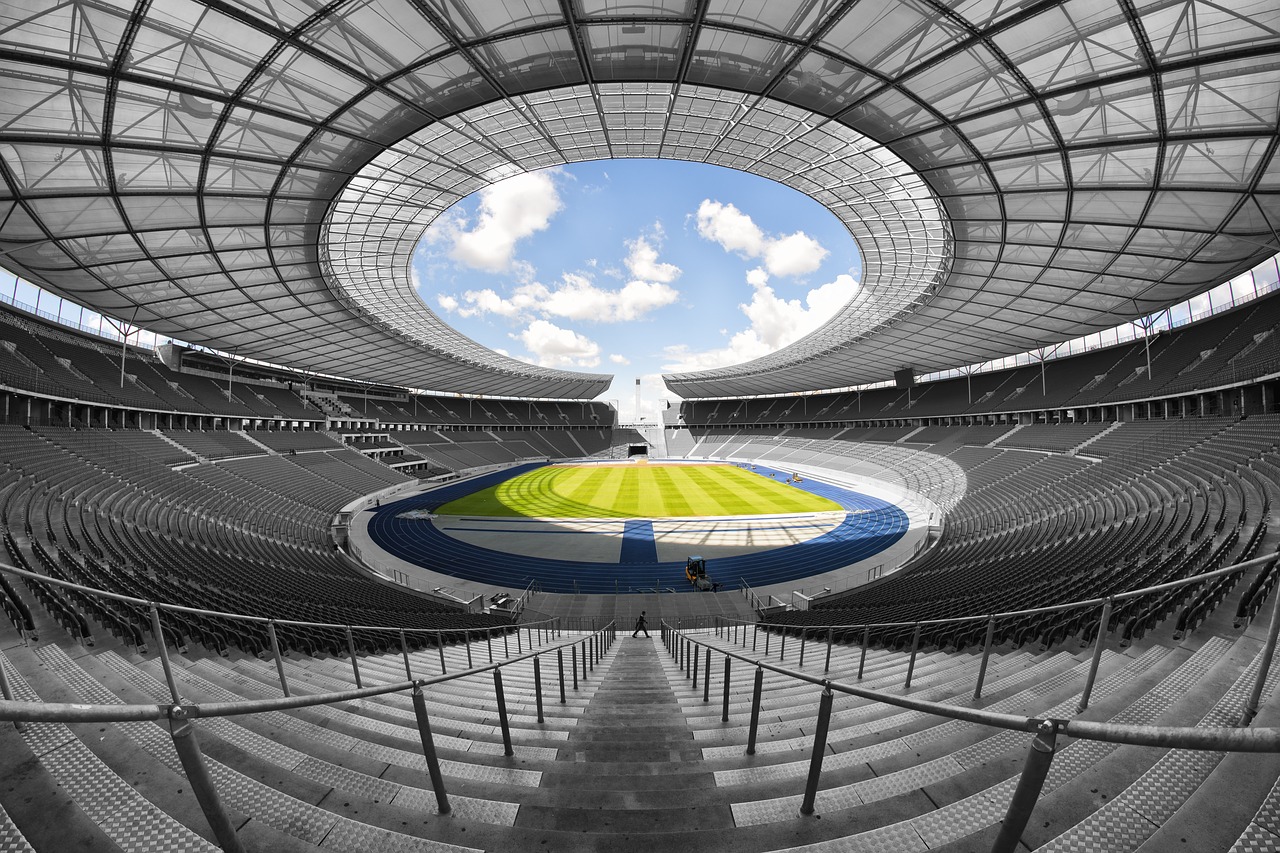
The truth is that in today’s world, content is a commodity. The difference between a utility app and market leader isn’t in the bitrate—it’s in the atmosphere.
Today’s viewers, and especially Gem Zers and millennials, and already the Alpha generation, don’t just watch but engage with the sports content. They predict the next goal, and meme the action as it’s happening. If your app doesn’t allow them to do that, they will find somewhere that does. In most cases, it’s Discord, YouTube (News - Alert), or Twitch.
It is you who obtain the expensive content. However, the social networks harvest the engagement.
Here’s how forward-thinking media product teams are halting this “attention leak” by creating Digital Stadiums — bringing live streaming chat and fan interaction directly into their broadcast and streaming apps to transform them from passive video viewers into social centers.
The “Second Screen” Problem
We all recognize the behavior. A person is viewing a live game or season-ending show on your app. A massive thing happens. And they immediately reach for the phone or Alt-Tab to the social network to see what the world is saying.
It is the “Second Screen” disconnect.
- You forfeit session time because the user’s attention is divided.
- You lose the data: you have no idea how your content is being received by your users, since the sentiment about your content is expressed on a platform which you do not control.
- Loss of monetization: you cannot sell products or surface relevant offers to someone who is browsing a thread on Reddit.
The Digital Stadium Construction
The way the “Digital Stadium” is conceptualized is very simple—it is the recreation of the live experience within your digital product.
In the real stadium, you’re not watching in silence. You turn to the person beside you. You cheer with them. You grumble about the ref with them. It’s this experience that makes sports and live TV so sticky.
To recreate that online, you require something beyond a simple comments section below a video. You require a fully integrated social element layered on top of the content itself.
- Overlay Chat: The chat will occur in the video (as in Twitch), so the users will not have to turn away from the video in order to type.
- Contextual Response: The ability to respond to a particular context (a goal, a penalty, a cliffhanger) immediately creates a heat map of excitement.
- Synced Experience: Everyone sees the same thing at the same time. The chat becomes part of the show.
Why Engineering Teams Don't Want Building “Social”
When you say, “Let’s build a real-time chat system with moderation and gamification elements,” your CTO will object. Most engineering teams know it’s an “engineering black hole” because it requires:
- WebSocket infrastructure scalable to support huge spiky loads (such as 50,000 users logging in simultaneously at kickoff).
- Moderation tools that help maintain the positivity in the discussion.
- Regular updates to keep the UI fresh.
It is at this point that the role of the technology decision becomes extremely important.
The Trap of Native Builds
Building this natively (in Swift (News - Alert) and Kotlin) or with heavy SDKs is often the wrong approach for media apps. This holds you back in your core roadmap. You’ll find yourself maintaining a social network rather than enhancing your video player.
The WebView Advantage
This is why we recommend that a WebView-first approach should be used for the social layer in streaming apps.
- Agility: modify the chat interface, or the rules of gamification on the server side.
- Scale: The infrastructure is maintained by a third party, so your team isn't up at 3:00 AM because the server went down during the Super Bowl.
Safety: The Difference Between Stadium and Riot
Safety, which was once only associated with physical venues, is now just as critical in digital spaces.
The largest barrier for media brands is brand safety. “What if people start swearing and scamming in the chat?”
In a Digital Stadium, moderation doesn't have to be an afterthought. In fact, moderation is the foundation. You can't count on human moderators, though—the volume would be too high.
- AI Pre-Moderation: This is where an AI moderation system helps remove toxic or aggressive elements before the message even reaches the chat.
- Context Awareness: This feature differentiates between "passionate fans" (e.g., "this ref is killing me!") and actual abuse.
- Data Masking: This feature automatically prevents personal information from being exposed for the purpose of doxxing or fraud.
Conclusion
The audience is already there watching your content. The challenge is: do you want to make them passive consumers, or active participants who stick around for the community?
Don’t let Twitch or Discord profit from your content. Construct your own stadium.
