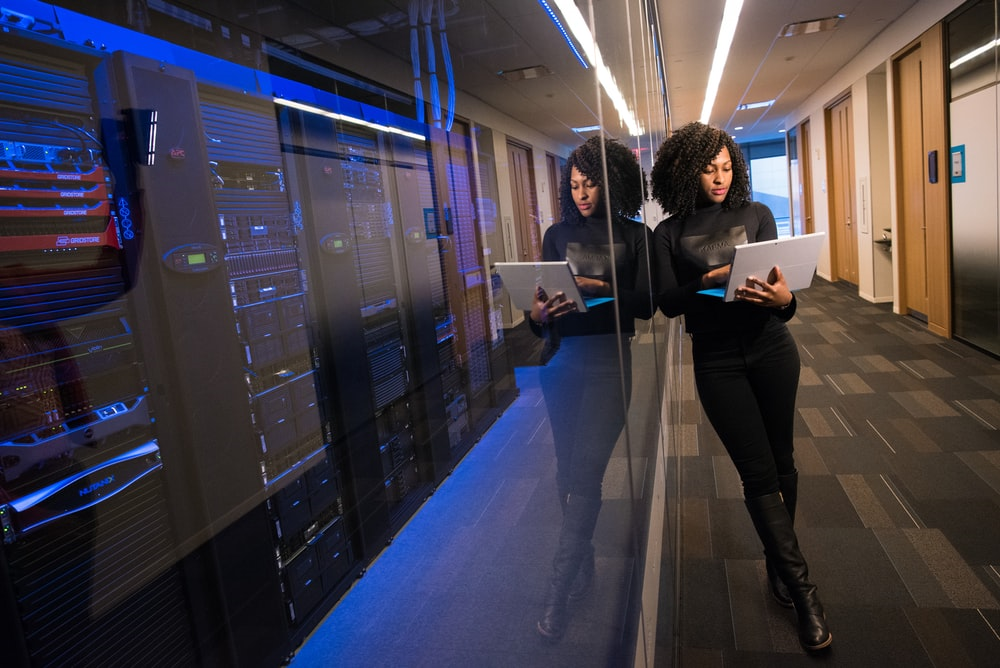
The rapid acceleration of artificial intelligence (AI), high-performance computing (HPC), and dense GPU-based workloads is reshaping the requirements of modern compute infrastructure. Traditional data centers, particularly those dependent on public utility grids, were designed for a different era, one defined by lower rack densities, predictable workloads, and permissible downtime. According to Dale Hobbie, as digital infrastructure enters a new scale phase, a shift toward autonomous data center architecture is emerging as a necessary evolution rather than an optional upgrade.
Autonomous data centers function as self-sufficient compute environments capable of continuous operation independent of external stability. Instead of relying on conventional utility power or manually controlled cooling and operational systems, these facilities integrate onsite power generation, advanced thermal systems, real-time telemetry, and automated operational controls. The architecture prioritizes continuity, resilience, and predictability.
Limitations of Traditional Grid-Dependent Models
Conventional data center models historically relied on utility-grid electricity, backed up by diesel generators and short-duration uninterruptible power supplies. These designs reflected the constraints and technology standards of their time and performed effectively under moderate compute loads.
However, electrical grids across many regions are now exhibiting increasing strain. Rising energy demand, aging transmission systems, and increased volatility have led to more frequent disruptions and capacity constraints. At the same time, modern compute environments generate significantly higher power density and thermal output compared to legacy IT equipment. Traditional cooling and power delivery systems often struggle to sustain high-density workloads, leading to operational bottlenecks, efficiency losses, and reliance on external infrastructure reliability.
The Role of Power and Operational Autonomy (News - Alert)
Autonomous data center architecture addresses these challenges by integrating independent operational resources. On-site baseload energy generation, closed-loop or multi-loop cooling systems, and automated orchestration platforms form the foundation of this approach. These elements function as coordinated systems rather than loosely connected components.
Characteristics commonly associated with autonomous facilities include:
- Integrated baseload generation engineered to sustain continuous, high-density compute loads
- Purpose-built thermal systems designed for high-efficiency heat extraction and controlled environmental performance
- Real-time automated decision layers informed by sensor-driven telemetry and predictive analytics
- Modular scalability that enables phased capacity increases without requiring architectural redesign
This approach reduces exposure to external risks and improves operational continuity, especially in regions where utility reliability cannot keep pace with compute demand.
Relevance to AI-Driven and Mission-Critical Workloads
The transition toward autonomy aligns with the operational characteristics of modern compute environments. Many AI, national security, and real-time analytical systems require uninterrupted availability and consistent performance. For these workloads, thermal instability, power variability, or unplanned downtime create consequences that extend beyond inconvenience.
Autonomous infrastructure enables stable compute environments capable of sustaining:
- Large-scale AI training and inference
- Scientific and engineering simulation workloads
- Financial processing and transactional analysis
- Government or defense-aligned sovereign compute systems
In these use cases, continuity becomes a baseline expectation.
A Foundational Shift in Infrastructure Standards
The movement toward autonomous data center architecture signals a broader transformation in how digital infrastructure is engineered, deployed, and scaled. Similar to previous paradigm shifts, from bare-metal servers to virtualization, or from on-premises hardware to cloud platforms, this transition reflects emerging operational realities rather than speculative strategy.
As compute density increases and reliance on uninterrupted processing grows, the requirement for infrastructure capable of independent operation becomes more pronounced. Autonomous facilities provide a path forward by addressing the vulnerabilities inherent in grid-dependent, manually controlled environments.
The case for autonomous data center architecture reflects a convergence of operational need, engineering evolution, and long-term strategic planning. As digital systems continue to expand in scale and importance, infrastructure capable of uninterrupted, independent operation is poised to set the next standard for mission-critical computing.
About Dale Hobbie
Dale Hobbie, professionally known as D. James Hobbie, is a multi-patented inventor and founder of Quantum (News - Alert) HPC Infrastructure, LLC. With more than 35 years of experience in mission-critical systems architecture, he specializes in grid-independent compute infrastructure, advanced cooling systems, and autonomous power generation. His patented Cleanewable-Hybrid® architecture and Q-Series™ enclosure systems form the foundation of next-generation sovereign compute facilities designed for continuous operation in high-stakes environments.
