Modern technologies have changed not only the entertainment industry but also the world of cars. It is noticeable in such a serious area of ??reducing harmful pollution. The world is shifting toward green solutions, and automakers are developing innovations that significantly reduce the carbon footprint of transportation. Against this backdrop, even car rental services, including offers like Ferrari rental Dubai, are increasingly including eco-friendly models in their fleets, following the global trend toward sustainability. Reducing CO2 emissions and other pollutants has become a key topic today: governments are tightening environmental regulations, and consumers are showing increasing interest in clean technologies. It is worth examining how modern developments are helping to reduce emissions, what innovations have already been implemented, and what prospects await the automotive sector.
Electric Vehicles as a Driver of a Low-Carbon Future
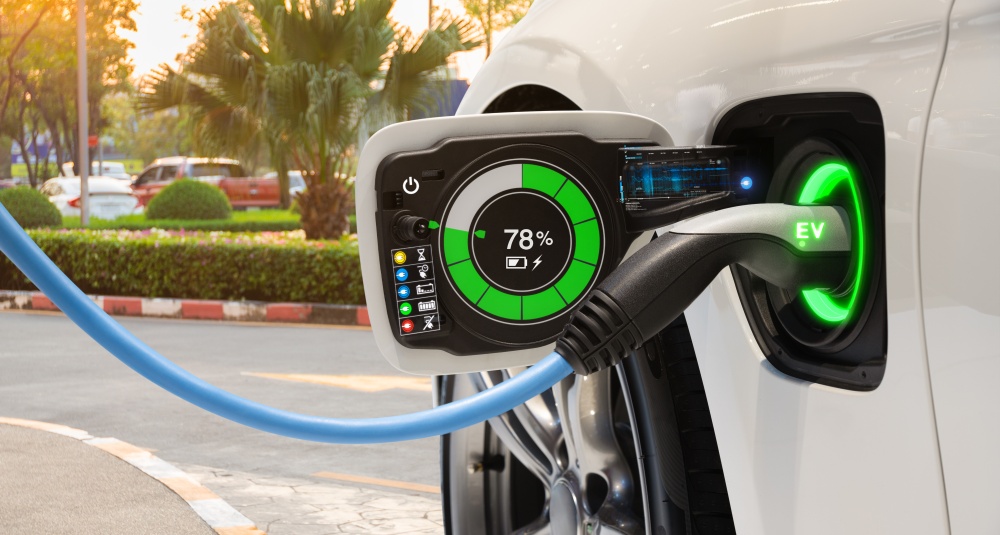
Electric vehicles have become the leading symbol of environmental progress in the automotive industry. The main reason is their lack of direct emissions, making them ideal for urban environments:
- No exhaust fumes.
- Low noise levels.
- Efficient energy use.
Many global capitals have already announced plans to completely phase out internal combustion engine vehicles in city centers within the next few decades. This is pushing manufacturers to accelerate the transition to electric platforms.
Infrastructure development also plays a key role: fast charging stations, the ability to charge at home, and the emergence of mobile charging systems make EV use much more convenient. Electric vehicles are also being actively used by car rental services, like Trinity Rental:
- Renting eco-friendly models helps reduce transportation emissions in metropolises.
- New cars with low mileage (2024 models available).
- Car delivery to any location.
- Payment by cash, card, or cryptocurrency.
- Free full tank of gas.
- Dedicated manager.
- Driver available if needed.
- 300 km per day is included in the rental.
- VAT is included in the rental price.
These are factors why people choose companies like this one to get a car whenever they are in a big city, such as Dubai. But there are also other examples of how modern technologies are helping in making vehicles more appealing to nature.
Hybrid Technologies as an Intermediate Solution
Hybrid vehicles remain an important step toward the full electrification of transportation. They combine an internal combustion engine and an electric motor, which allows for:
- Reducing fuel consumption by 25-40%.
- Saving energy when driving at low speeds.
- Operating efficiently in city traffic jams.
- Reducing CO2 and toxic emissions.
Hybrids are especially popular in countries with an underdeveloped charging infrastructure. Thanks to energy recovery systems, modern hybrids can travel short distances on electric power, making them more environmentally friendly than traditional vehicles.
Optimization of Internal Combustion Engines
Even with the rapid growth of electric vehicles, internal combustion engines remain the backbone of the global vehicle fleet. Modern technologies allow for significant reductions in their harmful emissions:
- Turbocharging and downsizing without loss of power.
- Direct fuel injection systems.
- Mild hybrid systems.
- Particulate filters for gasoline and diesel engines.
- Selective catalytic reduction.
These solutions reduce NOx, CO, and PM emissions to near zero and improve vehicle energy efficiency. Some modern luxury and sport models already utilize such technologies, delivering high levels of power with minimal environmental impact.
Energy Recovery Technologies
Energy recovery systems recover some of the energy lost during braking. This energy is used to recharge the battery and operate the electric motor. Benefits of energy recovery:
- Reduced engine load.
- Reduced fuel consumption.
- Reduced CO2 emissions.
- Extended brake system life.
Regeneration has become standard in virtually all electric and hybrid vehicles and is a key energy efficiency technology.
Smart Car Control Systems
Modern cars are equipped with intelligent systems that optimize fuel consumption and vehicle performance:
- Adaptive cruise control which maintains an optimal speed.
- Start-stop systems, which reduce emissions in traffic jams.
- Predictive transmissions, which analyze road conditions.
- Navigation services that select routes with minimal fuel consumption.
- Eco and Comfort modes, which influence the acceleration rate.
These systems can save up to 15% of fuel, even without any changes to the vehicle’s design.
Development of hydrogen technologies
Hydrogen-fueled electric vehicles are still in the early stages of mass adoption, but they offer enormous potential. They operate by reacting hydrogen and oxygen to produce electricity. The only byproduct is water vapor. FCEV advantages:
- Zero emissions.
- Quick refueling from 3-5 minutes.
- Long range from 600-800 km.
The technology is still expensive, but major automakers continue to invest heavily in its development.
The Role of Digital Technologies and Big Data
Today, cars are becoming part of the digital ecosystem. The data collected by cars allows us to:
- Reduce the number of trips and miles driven by optimizing routes.
- Predict component wear, reducing the need for additional service trips.
- Improve city traffic – smart traffic lights, traffic control.
Smart transportation systems not only offer convenience but also a real tool for reducing emissions citywide.
Sustainability and the Future of Eco-Transport
Countries around the world are setting ambitious emission reduction targets for 2030-2050. Many of these plans are based on technological advances in the automotive sector. In the coming years, we can expect:
- Reducing battery costs.
- Expanding charging infrastructure.
- Massive integration of hybrid and electric models into rental services.
- Increasing the share of vehicles with recuperation and energy-efficient systems.
- Development of hydrogen vehicles.
Technology plays a key role in reducing vehicle emissions. From fully electric models to intelligent control systems, the automotive industry is rapidly moving toward a greener future. Electric vehicles, hybrids, hydrogen solutions, as well as optimized engines and materials—all of this reduces the carbon footprint of transportation and makes travel more eco-friendly.
Modern services, including deposit-free rental options, like those of Trinity Rental with a selection of luxury vehicles, are also increasingly incorporating eco-friendly models into their fleets, making access to clean transportation solutions easier for everyone. Innovation is shaping the mobility of the future – cleaner, quieter, safer, and more environmentally friendly.
