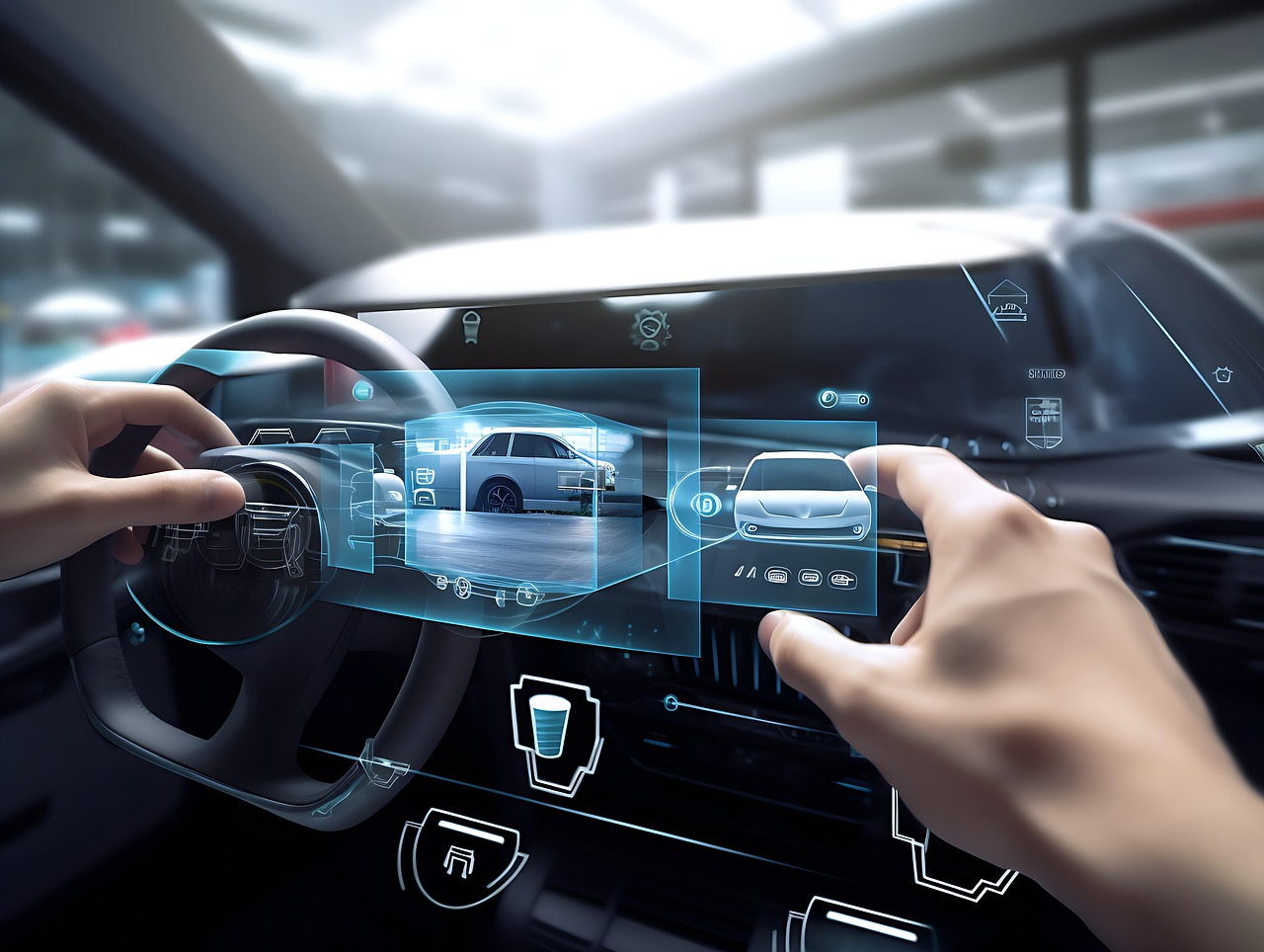
In today’s fast-paced world of logistics, technology is transforming the way truck drivers navigate long and demanding routes. One of the most exciting innovations making its way into the trucking industry is the augmented reality (AR) windshield—a high-tech upgrade that’s reshaping how commercial truckers see the road, manage deliveries, and stay safe behind the wheel.
Imagine driving through the night on a rain-soaked highway and having every vital piece of information—lane markers, route directions, rest stop alerts, and even blind spot warnings—projected clearly across your windshield. That’s not science fiction anymore. Augmented reality is moving out of the realm of luxury cars and into the cabs of America’s trucking fleets, offering a new level of awareness and precision to professional drivers.
At its core, an AR windshield acts like a digital co-pilot. Instead of relying solely on traditional GPS units or mobile devices, the windshield overlays real-time data directly onto the driver’s view of the road. This technology uses cameras, sensors, and GPS integration to project route details, traffic patterns, weather alerts, and hazard warnings—helping truckers make smarter, faster decisions without ever having to look away from what’s ahead.
For long-haul drivers, especially those hauling through unfamiliar territories, this technology can make a world of difference. Fatigue, limited visibility, and constant route changes can all increase the risk of accidents. An AR windshield helps reduce those risks by improving situational awareness. For instance, if a trucker approaches a low bridge, tight turn, or unexpected road closure, the windshield can display warning graphics and suggest detours instantly. It’s like having a live dispatcher in the passenger seat, but without distraction.
Truck manufacturers and fleet operators are already testing AR systems to improve driver safety and reduce insurance costs. These windshields can even integrate with dash cameras and telematics software to record driving data, detect potential collisions, and provide real-time coaching. The idea is to create an environment where drivers can focus on driving rather than juggling multiple screens or paper logs.
The safety implications of this innovation cannot be overstated. Commercial truckers face more hazards on the road than most drivers realize—tight delivery schedules, unpredictable weather, and long stretches of highway fatigue. Even the most skilled truckers can be caught off guard by sudden lane shifts, construction zones, or reckless motorists. Augmented reality helps bridge that gap by transforming the windshield into a full digital display that provides visual cues in real time.
In cities like New Orleans, where the blend of historic streets, heavy port traffic, and unpredictable weather make for challenging driving conditions, the potential impact of AR technology is especially significant. Every year, truck accidents cause serious damage not only to vehicles but also to businesses and livelihoods. While human error is often the cause of many collisions, tools like augmented reality windshields can drastically reduce the chances of those mistakes happening in the first place.
What makes AR windshields particularly compelling is their adaptability. Unlike fixed GPS units, the visuals displayed adjust automatically as conditions change. When a truck enters a storm, the system might highlight safe following distances and warn of slippery surfaces. When entering dense urban areas, it could identify low-clearance bridges, truck-restricted streets, or loading zones. For drivers handling time-sensitive cargo, these real-time insights can be the difference between a successful delivery and a costly delay.
Major players in the automotive tech world are already investing in AR windshield development. Companies like Continental, Panasonic (News - Alert), and WayRay are designing systems that blend head-up display technology with artificial intelligence to create a more intuitive driving experience. The trucking industry, long considered slow to adopt new consumer tech, is now seeing the benefits of digital transformation, particularly as the driver shortage and rising fuel costs push fleets to find ways to operate more efficiently.
The economic benefits of these systems are clear. By helping truckers maintain steady routes, avoid unnecessary stops, and anticipate hazards, AR windshields can lead to fewer accidents, lower insurance premiums, and reduced downtime. Fleet managers can use the connected data to monitor performance, ensure compliance with hours-of-service regulations, and even retrain drivers based on real-time behavior analytics. For companies moving freight across long distances, these incremental improvements translate into major savings over time.
Still, as with any emerging technology, there are challenges. AR windshields require precise calibration, and the data they rely on must be accurate and updated constantly. There are also concerns about distraction—if too much information is displayed, drivers could become overwhelmed. Manufacturers are addressing this by developing interfaces that prioritize simplicity, showing only the most relevant data based on driving conditions.
The path toward widespread adoption may take a few more years, but early results from pilot programs are promising. As autonomous and semi-autonomous trucking systems continue to evolve, AR windshields are likely to play a key role in bridging the gap between traditional driving and full automation. They provide the human driver with advanced digital assistance while still keeping hands and eyes engaged with the physical road.
New Orleans truck accident lawyers, Chopin Law Firm, states, “For drivers themselves, this evolution could mean a safer, more comfortable working environment. Instead of constantly glancing between a dashboard GPS and side mirrors, a trucker can rely on clear, heads-up visuals for navigation, distance tracking, and performance monitoring. It’s not just about convenience—it’s about giving commercial drivers the tools they need to do their jobs more effectively and return home safely”.
As technology continues to advance, AR windshields could become standard equipment in commercial vehicles, much like airbags or anti-lock brakes did in the past. They represent a shift toward proactive safety rather than reactive measures—preventing accidents before they happen rather than simply responding afterward.
For now, the trucking industry stands at an exciting crossroads. The same innovation that powers smart cities and autonomous vehicles is finding its way into the cabs of hardworking truckers across America. As fleets begin to recognize the value of AR in reducing costs, improving safety, and enhancing navigation, the roads ahead could become safer for everyone.
