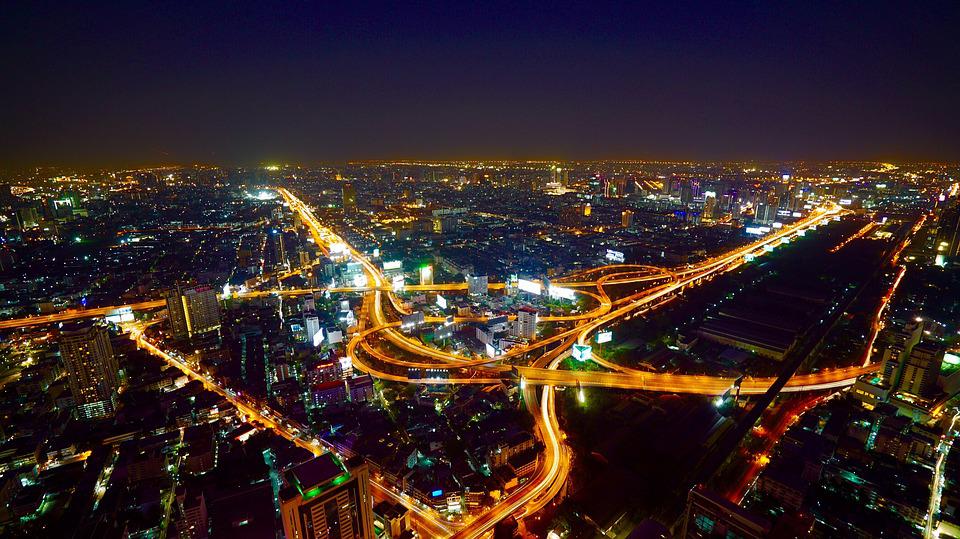
Cities are getting busier. Streets feel more crowded, and commuting often takes up too much of your day. For business owners, this means employees arriving late and logistical challenges are increasing. Did you know urban areas will house nearly 70% of the global population by 2050? This shift will put even more pressure on transportation systems that many already consider outdated or inefficient. This blog discusses how future mobility options like electric buses, autonomous vehicles, and intelligent traffic systems can improve public transit. You’ll also learn about new methods to reduce environmental harm while addressing challenges in city planning. Discover what’s ahead for urban mobility!
Emerging Trends in Urban Mobility
Cities are buzzing with fresh ideas to reconsider transportation. New solutions promise faster, more eco-friendly ways to navigate urban areas.
Electrification of Public Transport
Electric buses are hitting the streets faster than ever. By 2030, experts predict electric vehicles will dominate public transit fleets across major cities. Governments are investing significantly in infrastructure like charging stations to support this shift. These efforts aim to reduce greenhouse gas emissions and noise pollution in urban areas. Business owners can benefit from collaborating with transit authorities on electrification projects. Opportunities include supplying batteries, building facilities, or providing maintenance services. The growth of shared mobility services is changing how people navigate their daily lives.
Rise of Shared Mobility Services
Shared mobility is redefining urban transportation. Companies like Uber and Lyft provide convenient ride-hailing services, reducing the reliance on personal vehicle ownership. Car-sharing platforms such as Zipcar allow users to rent cars by the hour or day, lowering costs and minimizing parking challenges. Bike and scooter sharing has also grown significantly in popularity. Cities are incorporating these services into public transit networks to address gaps in coverage areas. This development helps reduce traffic congestion and supports sustainable transportation objectives. Many businesses are forming partnerships with shared mobility providers to improve accessibility for employees or customers while promoting environmentally friendly commuting options.
Integration of Autonomous Vehicles
Autonomous vehicles are steering their way into urban transportation. These self-driving cars use sensors, cameras, and AI to navigate roads without human input. In growing cities where traffic congestion costs billions annually, such technology promises smoother commutes and safer streets. Businesses looking to enhance logistics or improve delivery reliability can adopt them for consistent operations. For example, companies seeking scalable fulfillment models might consider The Fulfillment Lab’s on-demand options to align with autonomous last-mile delivery systems, ensuring faster and more flexible service in busy urban areas. Public transit systems could see a shift with driverless shuttles reducing labor costs while increasing efficiency. Cities like Phoenix are already testing autonomous taxis through pilot programs. Waymo leads this effort, operating thousands of rides monthly without drivers behind the wheel. Self-driving technology isn't just about cars; it's about reshaping how we move.
Role of Technology in Transforming Public Transportation
Technology is reshaping how cities move. It simplifies commutes, saves time, and improves urban transportation systems.
Smart Transportation Systems
Smart transportation systems enhance the flow of urban traffic. These systems use artificial intelligence, sensors, and cameras to monitor congestion in real time. Cities like Los Angeles already apply these technologies to reduce gridlock and improve public transit efficiency, according to Jumpfactor, which highlights how digital transformation in transit leads to improved reliability and operational performance. Businesses benefit from smoother delivery routes and fewer delays. Digitalization has made route planning more effective. Smart traffic systems adjust lights based on vehicle volume, reducing stops during peak hours. Public transport apps provide precise schedules for trains or electric buses. Cutting down idle times saves fuel costs and improves commuter satisfaction—key factors for economic growth in urban areas.
Real-time Data and Predictive Analytics
Digital tools now process massive amounts of urban transportation data in seconds. Public transit systems collect information from vehicles, sensors, and passenger flows to improve operations. Real-time data allows buses or electric trains to adjust schedules based on live traffic updates. This keeps delays at bay and improves rider satisfaction. Predictive analytics goes further by forecasting future trends. Algorithms can anticipate peak travel times or equipment failures before they occur. Businesses managing public transport can save costs by planning maintenance ahead of breakdowns. With better insights, city planners create more sustainable transportation networks while keeping resources efficiently managed for growth.
Environmental Impact of Future Mobility Solutions
Cleaner transportation methods can help cities breathe easier. Changing to smarter transit options also safeguards natural resources for future generations.
Reducing Carbon Footprints
Switching to electric buses reduces emissions significantly. Urban transportation is responsible for nearly 30% of greenhouse gases, making this change essential. Electric vehicles emit no tailpipe pollution and depend on cleaner energy sources, significantly lowering contamination levels. Encouraging public transit over personal cars helps decrease traffic congestion and fuel use. A single bus can replace dozens of cars on the road. Transitioning to intelligent traffic systems ensures efficiency while reducing unnecessary idling time, further decreasing carbon footprints. Supporting active transportation methods like biking aligns with sustainability objectives while enhancing urban mobility solutions worldwide.
Promoting Active Transportation Modes
Walking and biking provide cost-effective and healthier means of navigating cities. Adding bike lanes and pedestrian-friendly paths helps make these choices more accessible and safer for employees commuting to work. Businesses can reduce expenses by promoting active transportation, as it decreases parking costs. Active transit reduces pollution. Fewer cars contribute to cleaner air around office areas, enhancing employee well-being. Providing perks such as public bike racks or discounts on walking shoes encourages staff to select sustainable options instead of driving each day.
Challenges in Adopting Future Urban Mobility Solutions
High costs often create challenges for new urban transportation solutions. Building infrastructure for electric buses, air taxis, or smart traffic systems requires significant investment. Many cities struggle to secure funding for such projects. Businesses may hesitate to adapt because adopting these technologies can interfere with existing operations. For instance, transitioning fleets of public transit vehicles to electric models demands upfront capital and retraining staff. Public resistance adds another layer of complexity. People worry about safety with autonomous vehicles or drones for transportation. Concerns over data privacy also arise in digitalized public transport systems that rely on real-time analytics. City planning efforts face delays when policy-making cannot keep up with rapid technological advancements. Without clear regulations or incentives, progress slows, leaving innovation at a standstill.
Conclusion
Cities are changing, and so is transportation. More intelligent systems, environmentally friendly choices, and technology-based options are driving this transformation. Business leaders must monitor these changes to remain relevant. The path forward presents both difficulties and significant opportunities. It’s time to adjust or risk falling behind.
