Network infrastructure management plays a crucial role in ensuring seamless communication, security, and efficiency for businesses of all sizes. A well-structured network allows organizations to maintain smooth operations, prevent downtime, and safeguard sensitive data from cyber threats. As noted by Monzer Taleb, as technology advances, companies must adopt modern strategies and tools to enhance network performance, scalability, and security.
From implementing proactive monitoring to leveraging artificial intelligence for automation, businesses that prioritize network management can stay ahead of potential disruptions. Emerging trends such as cloud-based networking and software-defined solutions are reshaping how enterprises handle connectivity, offering greater flexibility and control. With cybersecurity threats evolving rapidly, organizations must also strengthen their defenses with advanced security protocols and zero-trust models.
Overview and Importance
Network infrastructure management encompasses the oversight of hardware, software, and security protocols that keep networks running efficiently. Businesses rely on seamless data flow and connectivity to maintain operations, making effective management a critical aspect of IT. Without proper coordination, organizations face downtime, security vulnerabilities, and performance bottlenecks, which can severely impact productivity and customer trust.
A well-maintained network ensures that employees, customers, and systems remain connected without interruptions. Companies that invest in proactive monitoring and optimization can prevent costly disruptions and maintain operational efficiency. A retail business, handling thousands of transactions daily, depends on a stable network to process payments, manage inventory, and support customer interactions. Any outage could lead to lost sales, frustrated customers, and damage to the brand's reputation.
Beyond reliability, security plays a crucial role in network management. Cyber threats continue to grow, and without strong defenses, sensitive data is at risk. Financial institutions, healthcare providers, and government agencies must implement strict security protocols to safeguard information.
Essential Components and Technologies
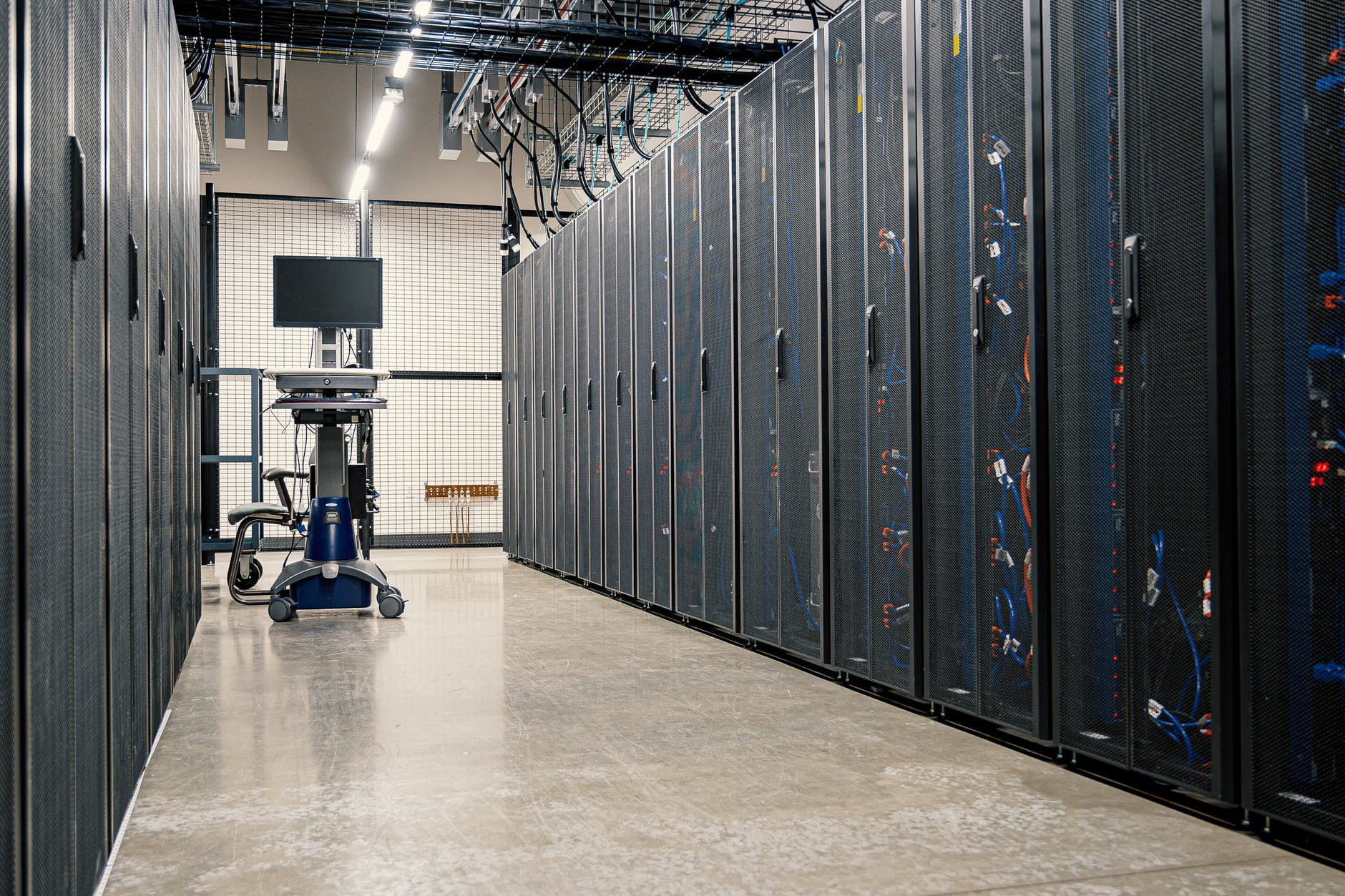
Network infrastructure relies on a combination of hardware, software, and protocols to ensure seamless communication. Routers and switches direct data traffic efficiently, while firewalls and security appliances protect against cyber threats. Servers and data centers serve as the backbone, storing and processing vast amounts of information. Without these components working in harmony, even the most advanced networks would struggle to function reliably.
Software plays an equally vital role in managing modern networks. Monitoring tools track performance in real-time, identifying potential issues before they escalate into major disruptions. Security applications detect and mitigate threats, while automation platforms streamline routine tasks, reducing manual intervention and improving efficiency.
Industry standards and protocols govern how devices communicate and exchange data. TCP/IP enables internet connectivity, SNMP allows for network monitoring, and VPNs provide secure remote access for employees working from different locations. These technologies form the foundation of reliable, secure data exchange across enterprises. A multinational corporation operating across different regions depends on standardized protocols to maintain seamless communication between offices, ensuring efficiency, security, and compliance with global networking standards.
Challenges and Risks
Managing a network comes with a range of challenges, from performance issues to security threats. Downtime can severely impact business operations, leading to financial losses and damaged reputations. A sudden network failure in an e-commerce platform could result in lost transactions and frustrated customers. Organizations must implement proactive measures to minimize disruptions and ensure continuous availability, including redundancy planning and real-time monitoring.
Cybersecurity remains one of the most pressing concerns in network management. Hackers constantly develop new tactics to exploit network vulnerabilities, putting sensitive data at risk. Ransomware attacks, phishing schemes, and unauthorized access attempts can cripple an organization if defenses are not robust. Financial institutions and healthcare providers handling vast amounts of confidential information must deploy multi-layered security to prevent breaches and maintain compliance with regulatory requirements.
As businesses expand, scalability becomes another concern. A growing organization needs a network that can handle increased traffic without compromising performance. Without proper planning, network congestion and slowdowns can occur, affecting productivity and customer experience. Compliance with industry regulations adds another layer of complexity, requiring businesses to adhere to strict guidelines to protect customer data and maintain legal integrity.
Effective Management Strategies
A well-structured network requires continuous monitoring and proactive maintenance to prevent issues before they escalate. Real-time performance tracking helps identify bottlenecks, ensuring that data flows smoothly across systems. Automated processes reduce manual workloads, allowing IT teams to focus on more strategic initiatives rather than troubleshooting recurring problems. Businesses that prioritize these strategies maintain higher uptime, reduce operational costs, and enhance overall efficiency.
Security measures must be reinforced at every level to protect against evolving threats. Firewalls, encryption techniques, and access controls keep unauthorized users from infiltrating critical systems. A financial institution handling large volumes of sensitive transactions cannot afford even a minor vulnerability, as a single breach could compromise customer trust and regulatory compliance. Regular security updates, penetration testing, and vulnerability assessments help fortify defenses against cyber threats, ensuring that security measures remain effective over time.
Emerging Trends and Innovations
Artificial intelligence is transforming network management by enabling predictive analytics and automated issue resolution. Machine learning algorithms analyze patterns in data traffic, detecting anomalies before they cause disruptions. Companies leveraging AI-driven solutions can prevent outages and optimize performance with minimal human intervention. This shift toward intelligent automation is reshaping how businesses approach infrastructure management, making networks more resilient and adaptive to changing demands.
Cloud-based networking is gaining traction, offering scalability and flexibility that traditional on-premise systems struggle to match. Organizations transitioning to cloud solutions benefit from reduced hardware costs, enhanced remote accessibility, and seamless integration with other digital tools.
Software-defined networking is another game-changer, allowing administrators to control network behavior through software rather than relying solely on physical hardware. This enhances agility, making it easier to adapt to changing business needs and network demands. Enterprises implementing SDN can also benefit from centralized management, reducing the complexity of handling large-scale networks.
Choosing the Right Tools
Selecting the right network management tools requires careful consideration of scalability, security features, and ease of integration. Businesses must assess their unique needs to determine whether an all-in-one platform or a combination of specialized solutions is the best fit. An enterprise managing a complex multi-site network may require advanced monitoring tools with AI-driven insights, while a smaller company might benefit from a simpler, cost-effective solution tailored to its specific operational requirements.
