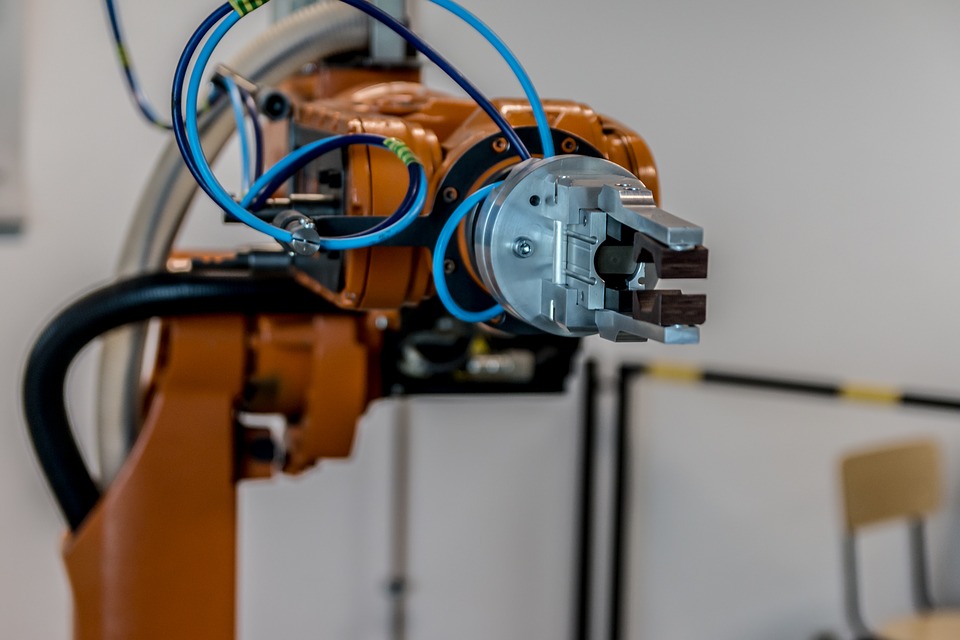
Humans and robots are no longer working in isolation in manufacturing environments, but are increasingly collaborating to achieve new levels of productivity, efficiency, and innovation. This collaborative approach, often referred to as "cobotics," is transforming manufacturing and reshaping the workforce of the future.
This article explores the evolving relationship between humans and robots in the manufacturing industry. It highlights the changing nature of work, the rise of collaborative robots (cobots), and the importance of human skills in the automated manufacturing environment. We'll also discuss how manufacturers can prepare their workforce for the future of work and the increasing adoption of automation.
The Changing Nature of Work
Automation is undeniably changing the nature of work in the manufacturing industry. While some fear that robots will replace human workers entirely, the reality is more nuanced. Automation primarily takes over repetitive, physically demanding, and hazardous tasks, freeing human workers to focus on more complex, creative, and value-added activities.
This shift requires a corresponding shift in the skills required in manufacturing jobs. While technical skills remain important, there is a growing demand for human skills such as critical thinking, problem-solving, creativity, and communication. These skills are essential for adapting to new technologies, managing complex systems, and collaborating effectively with humans and robots.
Manufacturers must invest in upskilling and reskilling their workforce to ensure they have the necessary skills to thrive in the automated manufacturing environment. That includes providing training on new technologies, building a culture of continuous learning, and encouraging employees to develop their human skills.
Collaboration and Cobots
Collaborative robots, or cobots, are designed to work alongside humans in a shared workspace. Unlike traditional industrial robots that are typically isolated in cages for safety reasons, cobots are equipped with advanced sensors and safety features that allow them to operate safely in close proximity to humans.
Cobots can perform various tasks, such as assembly, packaging, machine tending, and quality inspection. They can also assist human workers with physically demanding tasks, reducing the risk of injuries and improving ergonomics.
The increasing availability of automation services that include cobot integration is making it easier for manufacturers of all sizes to adopt this collaborative approach. These services often include the cobots themselves and also the necessary training, support, and maintenance to ensure successful implementation and operation.
The collaboration between humans and cobots allows manufacturers to use both of their strengths. Cobots can provide speed, precision, and consistency, while humans can contribute their creativity, problem-solving skills, and adaptability. That synergy increases productivity, improved quality, and enhanced worker satisfaction.
The Importance of Human Skills
While automation is transforming the manufacturing industry, human skills remain essential for success. In fact, the increasing adoption of automation is making human skills even more valuable.
Critical thinking, problem-solving, and creativity are essential for adapting to new technologies, troubleshooting issues, and developing innovative solutions. Communication and collaboration skills are crucial for working effectively with humans and robots.
What’s incredibly interesting is that human skills such as empathy, leadership, and emotional intelligence are becoming increasingly important in the workplace. As automation takes over routine tasks, human workers are freed up to focus on tasks that require these uniquely human qualities.
Manufacturers must recognize the value of human skills and invest in developing them in their workforce. This includes providing training on soft skills, encouraging collaboration and communication, and creating a culture that values human ingenuity and creativity.
Preparing for the Future
The future of work in the manufacturing industry will be characterized by increasing collaboration between humans and robots. Manufacturers must prepare their workforce for this future by investing in upskilling, reskilling, and a culture of continuous learning.
This includes providing training on new technologies, such as robotics, AI, and machine learning. It also involves encouraging employees to develop their human skills, such as critical thinking, problem-solving, and communication.
To effectively manage this transition and prepare their workforce for the future of manufacturing, businesses can use valuable resources like Automate to Elevate: The Automation Assessment Guide. This popular free guide provides practical steps and best practices for assessing automation needs, identifying opportunities, and developing a strategic plan for implementation. It also offers insights into workforce development strategies, such as upskilling and reskilling initiatives, to ensure employees are equipped with the necessary skills to thrive in the automated manufacturing environment.
Automation and Job Creation
Contrary to popular belief, automation is not necessarily a job killer. While it may eliminate some jobs, it also creates new ones. The key is to ensure that the workforce is prepared for these new jobs.
Automation is creating new roles in areas such as robot maintenance, software development, data analysis, and cybersecurity. These roles require a different set of skills than traditional manufacturing jobs, and manufacturers must invest in training and education to ensure that their workforce is ready for these opportunities.
Automation leads to increased productivity and efficiency, which can drive business growth and create new jobs in other areas of the company. By embracing automation and investing in workforce development, manufacturers can ensure they have the talent they need to succeed in the future.
Forging Ahead: Human-Robot Collaboration
The future of manufacturing belongs to those who can effectively harness the power of human-robot collaboration. By embracing automation, investing in workforce development, and building a culture of innovation, manufacturers can access new levels of productivity, efficiency, and growth.
The human-robot collaboration is not a threat but an opportunity. By embracing this new manufacturing era, we can create a future where humans and robots work together to achieve remarkable things.
