Corn is the primary source of livestock feed, biofuel, and a variety of everyday products like sweeteners, plastics, and cosmetics. Over the past few decades, U.S. corn production has increased due to technological advancements. For instance, since 1996, the U.S. has seen a 10% rise in corn acreage, with some areas, like the Northern Great Plains, having a growth as high as 40%. Alongside this, the average corn yield per acre has jumped over 40%. These numbers are no coincidence. Cutting-edge technologies enable farmers not only to increase yields but also manage costs and improve sustainability.
The July 2021 report from the USDA’s Economic Research Service (ERS) showed the role of technological and structural changes in U.S. corn production. By analyzing data between 1996 and 2016, they found that precision farming technologies have been instrumental in boosting productivity, reducing costs, and driving sustainability.
How Precision Farming Increases Efficiency in Corn Production
Precision farming is a farming approach that uses data to manage crops more. Farmers rely on advanced technologies like sensors, GPS-enabled tractors, drones, and terrain mapping systems to track key variables such as soil moisture, crop health, and weather conditions. This data helps farmers to make smarter decisions about when to plant, irrigate, or harvest, and which inputs—like fertilizers or pesticides—are necessary. The goal is to maximize crop yield while reducing unnecessary inputs and environmental impact.
One of the primary benefits of precision agriculture is its ability to cut down input costs while improving harvest efficiency through corn moisture analysis. For example, many corn farmers use SCiO technology to gather data on their crops. The key to precision farming is the continuous stream of data that helps farmers make on-the-spot decisions to reduce waste and increase profits.
Benefits of Precision Agriculture for the Corn Sector
The adoption of precision agriculture in corn farming has changed how farmers approach crop management. The ability to make data-driven decisions has proven invaluable for optimizing input use, from water to fertilizers. Farmers can now accurately determine when to plant, how much to water, and what nutrients their crops need at any given time.
Farmers can improve sustainability by monitoring soil and crop conditions. Precision farming helps reduce resource waste and prevents unnecessary environmental degradation. Through precision farming, farmers can increase their yields while minimizing the negative impact on ecosystems, such as soil erosion or water overuse. Additionally, precision agriculture helps to deal with unpredictable factors like weather or fluctuating market prices. This level of control is especially important in regions prone to drought or sudden storms, where data can forecast crop behavior under challenging conditions.
Types of Precision Agriculture Technology Used in the Corn Industry
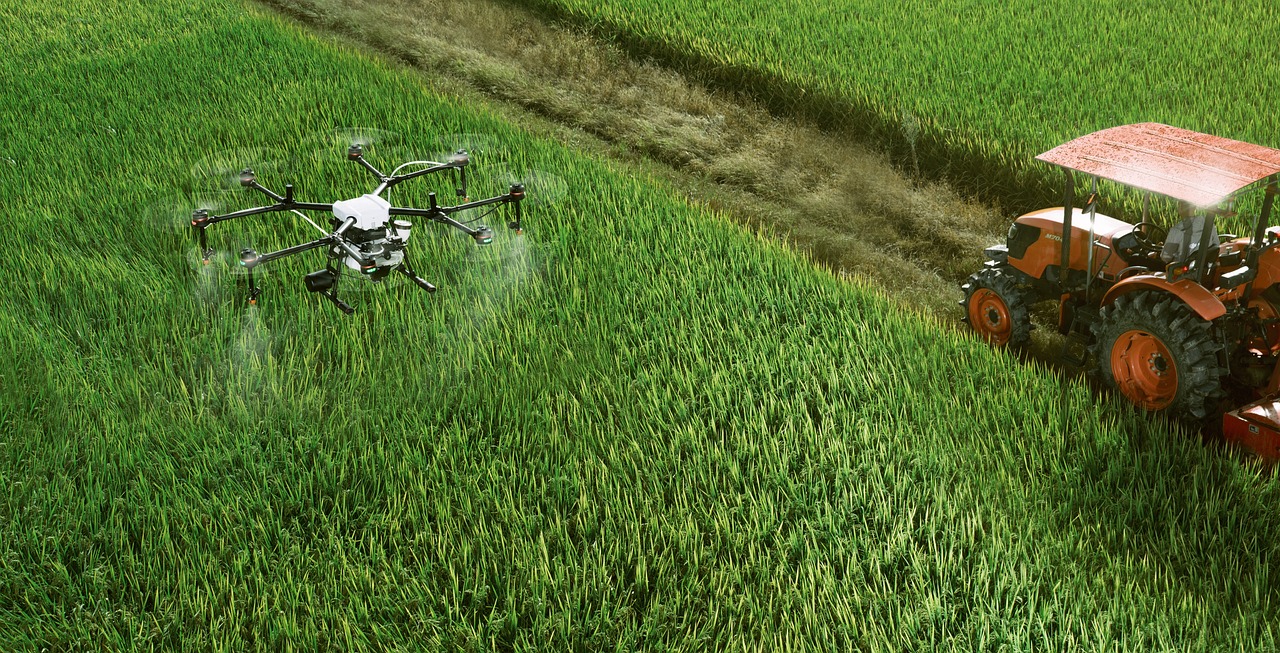
One of the most common tools in precision agriculture is soil moisture sensors, which allow farmers to monitor hydration levels across their fields. These sensors help farmers control irrigation systems, ensuring that crops receive the right amount of water without overusing resources. Drones and satellites are also used to capture aerial images of fields. These technologies provide a bird’s-eye view of crop health, allowing farmers to spot problem areas, such as sections of fields that require more attention or fertilization.
Additionally, self-driving, GPS-enabled tractors, like those from John Deere, are also essential for field mapping, soil sampling, and crop scouting. These tractors allow farmers to work with precision, especially in challenging conditions such as rain or fog.
Real Examples of Precision Agriculture in the Corn Sector
There are numerous real-world examples of how precision agriculture is transforming corn farming. According to USDA, a farmer in Iowa increased his corn yield by 15% by using remote sensors to monitor soil moisture and nutrition levels.
Similarly, a Nebraska farmer cut his costs by 10% through precision farming. By utilizing an artificial intelligence (AI) platform to analyze data from his fields, he was able to target areas needing more attention and reduce unnecessary inputs. This efficient use of resources helped him maintain high yields while minimizing expenses.
Precision Agriculture Data Analysis and Management
Data is the backbone of precision agriculture. However, the amount of information that farmers collect from soil sensors, drones, and satellites is often very large. That’s why efficient data analysis and management systems are vital. Farmers need software platforms that can store, analyze, and present the data to make it valuable for decision-making.
In addition to software, farmers must establish a reliable system for storing and sharing this data. Proper data management not only ensures that crops are being optimized but also helps farmers collaborate with agronomists, researchers, or other stakeholders who rely on that information.
Precision Agriculture and Future Trends
One of the significant trends in precision agriculture is the integration of artificial intelligence (AI) and machine learning. AI helps farmers process and interpret large data sets more quickly, providing valuable insights that drive efficiency and profitability. These technologies are needed in larger and more complex farms.
Another trend is the focus on data security. With more sensitive information being collected on farms, protecting that data from cyberattacks is vital. Data breaches can lead to huge financial losses and disrupt farm operations. Farmers will need to adopt robust security measures to safeguard their data and continue reaping the benefits of precision agriculture.
The future of farming is closely tied to technological advancements, from self-driving tractors to wearable devices for livestock to water management tools like drip irrigation systems that reduce evaporation and use less water than traditional methods, making them ideal for water-scarce areas.
Additionally, biotechnology is playing a key role in developing genetically modified crops that are drought-resistant or pest-tolerant. These crops help farmers maintain high yields even in challenging conditions while reducing the need for chemical pesticides.
Conclusion
The corn farming industry has come a long way, due to the adoption of precision agriculture. With cutting-edge technologies like sensors, drones, AI, and moisture analysis tools, farmers are maximizing their harvests while lowering costs and improving sustainability.
As the need for more food products keeps growing, continued investment in precision farming technologies will be vital in meeting the demands of a growing population while preserving the environment. Farmers can ensure that their fields remain productive and sustainable for generations to come by leveraging these tools.
