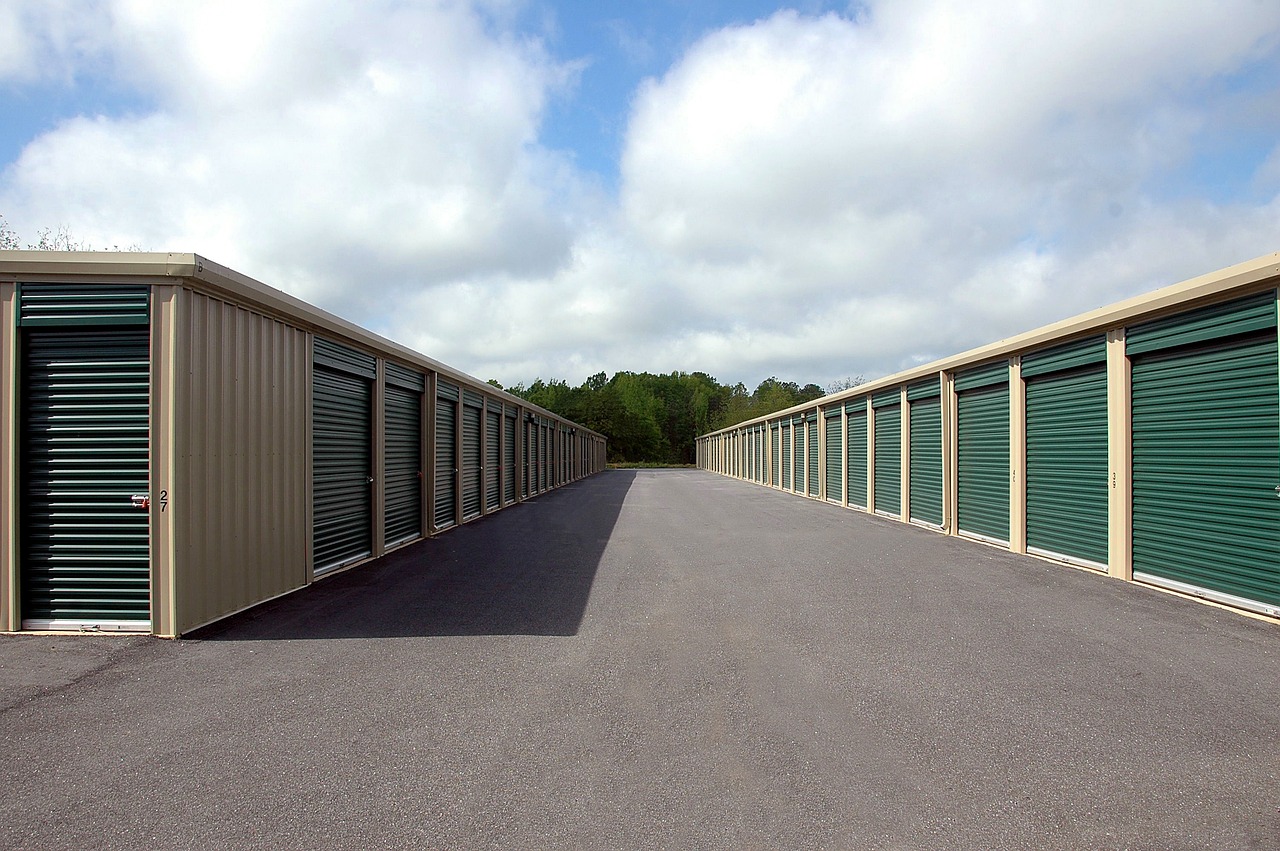
Are you concerned about the safety of your valuables when using storage units?
Do you often worry if your treasured items are adequately protected against unexpected damage or theft?
Understanding how to properly secure your belongings is essential to maximizing the benefits of quality storage units and ensuring peace of mind.
Understanding the Basics of Storage Units
When choosing a storage unit, it’s crucial to understand the basic functionalities and security features they offer.
Some units provide climate control to protect sensitive items, while others offer drive-up access for more convenience.
Knowing your needs will help you select the right unit for your belongings.
Importance of Choosing the Right Storage Unit
Not all storage units are created equal.
Selecting a unit that fulfills your specific requirements in terms of size, security features, and accessibility is key to protecting your possessions.
Additionally, proximity to your location might also play a role, especially if you plan frequent visits to the unit.
Finding a balance between cost and functionality will ensure that you have the most suitable location for starting your storage journey.
1.Protect Items from Environmental Factors
Environmental threats like moisture, fluctuating temperatures, and pests can wreak havoc on stored items if proper precautions aren’t taken.
Utilize Climate-Controlled Units
For items sensitive to temperature fluctuations and humidity—such as electronics, musical instruments, or important documents—opting for a climate-controlled storage unit is paramount.
These units maintain a consistent environment, shielding your belongings from the adverse effects of weather changes.
Elevate Your Items
Keeping your items off the floor can prevent damage caused by flooding or moisture.
Use pallets or shelving units to elevate your belongings.
This is especially beneficial for units located on ground levels or in flood-prone areas.
Pest Prevention Measures
Rodents and insects can be a potential threat if not adequately managed.
Wrapping your items in plastic and using mothballs or pest deterrents can provide an extra layer of protection.
Additionally, ensure that food or organic materials are not stored, as they can attract pests.
2.Invest in a High-Quality Lock
The lock you use plays a significant role in protecting your items.
Opt for a heavy-duty, closed-shackle padlock that is bolt cutter resistant.
Disk locks are often recommended due to their design that offers minimal exposure to intrusion.
3.Make Use of Security Features
Storage facilities often provide an array of security measures like surveillance cameras, gated access, and personal codes for entry.
Actively engaging these features for your unit and periodic check-ups can ensure ongoing security.
4.Secure Your Storage Unit Internally
Even within a secured facility, organizing your storage smartly can deter theft.
Place valuable items at the back of your unit or cover them with other unappealing items at the front.
Investing in additional RFID tags or GPS for high-value items is another way of internal protection.
5.Use Sturdy Boxes
Cardboard boxes that are thick and can withstand stacking without collapsing are ideal.
Uniform box sizes can also enhance structural stability and ease access.
Plastic bins are another good alternative if you want extra durability and protection from moisture.
6.Label Everything Clearly
Labeling not only helps in identifying items quickly but also aids in efficient space utilization.
Clear labels can also serve as a deterrent to potential wrongdoers who might feel they are dealing with less accessible and more valuable items.
7.Wrap and Protect Fragile Items
Bubble wrap, packing paper, and furniture covers act as buffers for delicate or breakable items.
For extra protection, foam peanuts or air pillows can be used to fill empty spaces in boxes containing fragile items.
8. Regularly Monitor Your Belongings
Some advanced storage units offer digital monitoring services.
This allows you to view your unit's activity or receive alerts whenever there is an intrusion, putting you at ease without constant physical check-ins.
9.Get Insurance Coverage
Though some storage facilities offer limited insurance, personal insurance for your stored items adds an extra layer of security.
Check your home insurance policy or consult with an insurance agent to understand what protection is available for off-premises storage.
Conclusion: Peace of Mind with Proper Protection
Are you still concerned about ensuring the safety and protection of your belongings in a storage unit?
Taking a proactive approach by understanding, evaluating, and implementing a mix of these security measures will greatly minimize risks and enhance the protection of your belongings.
Not only will this information provide peace of mind, but you’ll also ensure a safe haven for your possessions while they are out of sight.
With preparation and thoughtful consideration, storage units can become an integral extension of your space, keeping your valuables secure and well-preserved until you need them again.
