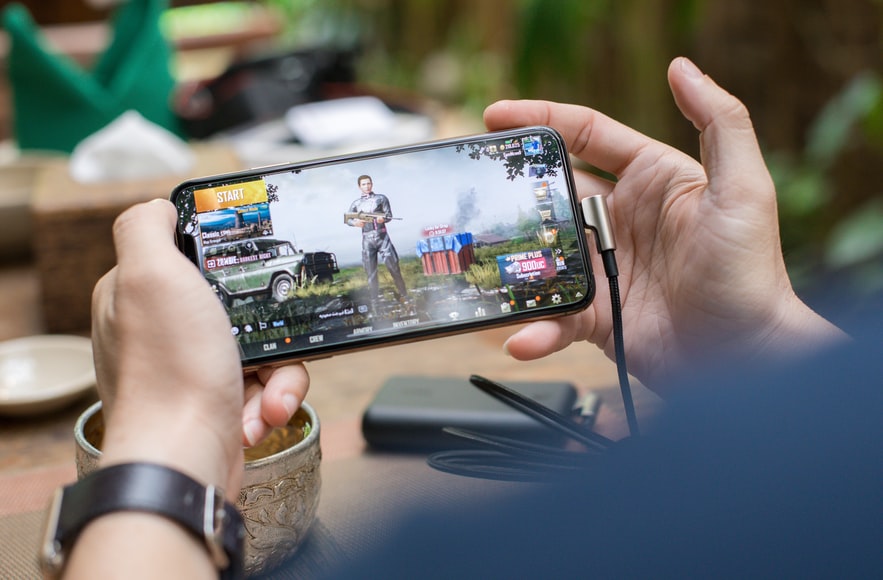
With the rapid evolution of technology, mobile gaming is becoming a hub of innovation, offering experiences that were once limited to high-end consoles and PCs. As we look towards 2025, breakthroughs like 5G, AI, and blockchain are transforming how people play, connect, compete, and immerse themselves in virtual worlds.
The Rise of Cloud Gaming
Cloud gaming technology lets players stream games directly to their devices without needing powerful hardware to handle complex graphics. Services like Google (News - Alert) Stadia and NVIDIA GeForce NOW transform any smartphone into a high-performance gaming device. Offloading processing to remote servers means these platforms can allow games to run smoothly on mobile devices, making high-quality games more accessible. As these services continue to evolve, the need for large storage capacities and frequent updates on individual devices will diminish, enhancing the user experience.
5G Connectivity and Its Implications
5G networks are revolutionizing gaming on your phone by providing ultra-low latency and lightning-fast speeds. Games like Fortnite and Call of Duty Mobile have already benefited from enhancements that offer smoother gameplay and quicker matchmaking. In the future, 5G could enable real-time multiplayer events on mobile devices and augmented reality experiences that rely on instantaneous data transfer, creating a seamless integration of physical and virtual gaming realms.
Augmented Reality in Mobile Gaming
Since Pokémon GO took the world by storm, augmented reality (AR) mobile gaming has transformed dramatically. Developers have brilliantly merged real-world environments with digital experiences. Games like Peridot showcase the potential of interactive AR pets. By 2025, the number of AR-powered multiplayer games will likely rise, turning any space into an immersive playground and driving greater engagement. These innovations entertain and encourage physical activity, blending gaming with fitness in ways that resonate with a health-conscious audience.
The Role of Wearables and Biometrics in Mobile Gaming
Integrating wearables in mobile gaming, like smartwatches and biometric sensors, opens a whole new dimension in the world of mobile gaming. Thanks to heart rate monitors, games can react to physical conditions, creating much more realistic immersion. Developers are already testing out the niches of fitness-based gaming and gameplay responding to stress, wherein a player's biometric data could trigger dynamic events in-game, such as difficulty adjustments or unique rewards. Integrating health technology with gaming will facilitate more genres in the future and enable players to interact more personally.
Artificial Intelligence and Machine Learning
AI and machine learning are changing how games can adapt to each player, crafting truly personal experiences. Some games, such as Genshin Impact, are designed using AI to create more engaging character interactions and predict player behavior for heightened engagement. Soon, AI might allow developers to generate content dynamically, ensuring that no two playthroughs are alike, thereby increasing replayability and player investment.
Blockchain and NFTs in Mobile Gaming
With tokenized economies, blockchain technology is allowing new play-to-earn models. Axie Infinity popularized the concept of NFTs and ownership of digital assets, enabling players to buy, trade, and sell in-game items. Moving into 2025 and beyond, many more games will incorporate blockchain, giving players complete control of their virtual possessions and creating a decentralized gaming economy that empowers users.
Cross-Platform Play and Social Integration
Cross-platform gaming helps build communities by letting players connect with others, regardless of their device. Rocket League exemplifies how cross-play fosters frictionless engagement and expands any game’s player base. Social integrations, such as in-game voice chat and streaming capabilities, are now standard in mobile gaming, allowing gamers to seamlessly coordinate with teammates across platforms.
Sustainability in Gaming Technology
The gaming industry is experiencing a surge in environmental consciousness, prompting companies to find ways to reduce their carbon footprints. Developers are embracing energy-efficient designs and sustainable business models to drive necessary changes. Initiatives by companies like Microsoft (News - Alert) to advance carbon-neutral gaming highlight the industry's potential to support green technology. As the mobile gaming market expands, sustainability will play a crucial role in shaping future developments and encouraging responsible consumption and production practices.
Staying Ahead in the Mobile Gaming Revolution (News - Alert)
We are entering a revolutionary era in mobile gaming, driven by technologies such as 5G, AI, and blockchain. Cloud gaming allows people to play at the highest quality on any device, while AR innovations transform the real world into a playground. Simultaneously, sustainability has become a cornerstone of the industry, with increasing pressure on developers to adopt greener designs and business practices.
New advancements will push mobile gaming even further by 2025. Gamers and developers who stay abreast with the latest trends must understand and apply these technologies to keep pace. Embracing these innovations will enhance gaming experiences while fostering a vibrant, inclusive community that thrives on creativity and collaboration.
