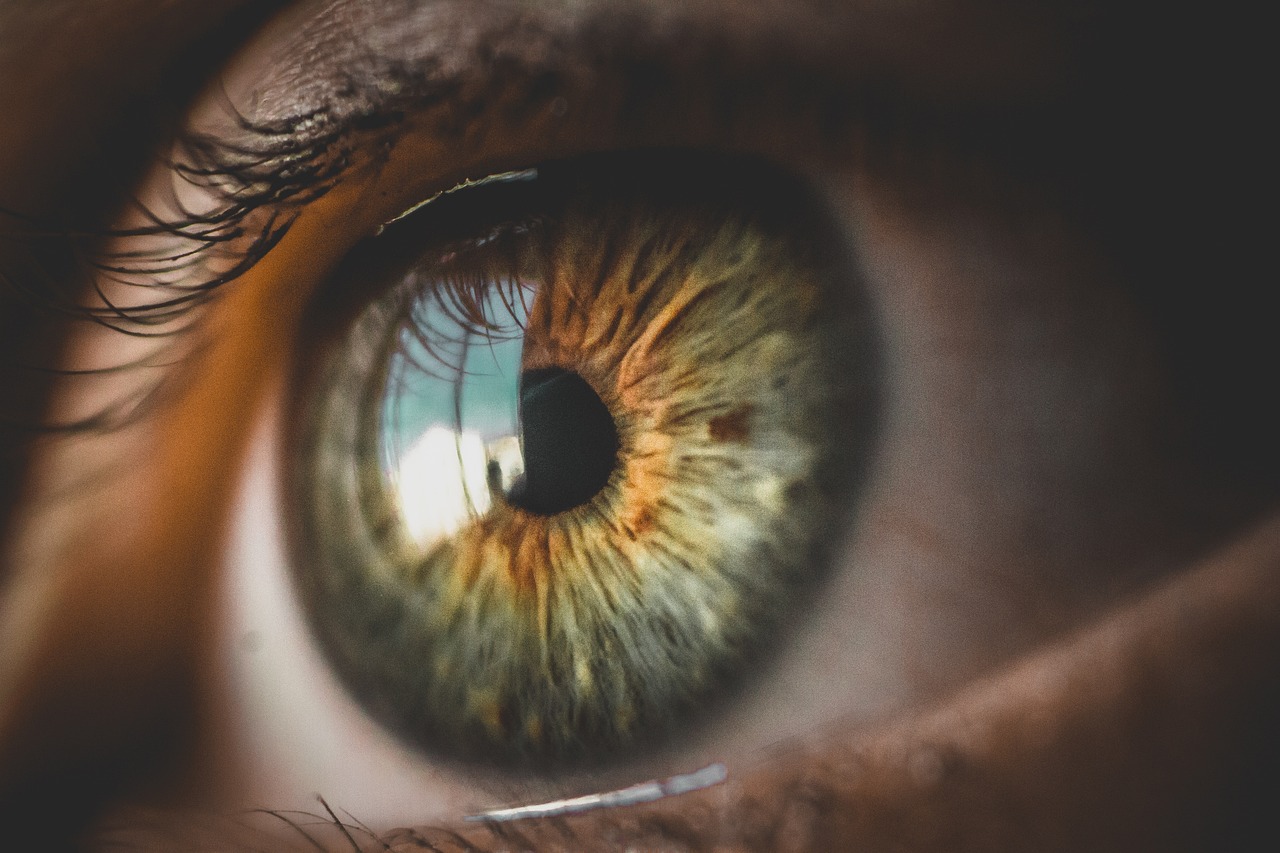
Nowadays, people rely on contact lenses as a convenient alternative to conventional glasses and a handy and impermanent cosmetic tool.
Findings from Grand View Research indicate that the global contact lens market was estimated at $18.6 billion in 2023, with researchers projecting a compound annual growth rate of 8.9% from 2024 to 2030. Some of the factors associated with this market growth are the increasing cases of refractive errors like myopia (nearsightedness), hyperopia (farsightedness), presbyopia (aging-related farsightedness), and astigmatism.
As such, conventional contact lenses continue to be a popular staple in the market. It's become incredibly easy to order contacts online from websites and retailers. Leading website ContactsDirect offers a variety of contacts, from daily disposable multifocals to contacts for astigmatism from brands like Acuvue and Biofinity. The online retailer also accepts most insurance plans, including Eyemed, Aetna, and many more, so that customers can maximize savings.
Aside from the increased risk of these vision issues, the contact lens market also thrives due to numerous research and development initiatives in optics and optometry, from dynamic soft contact lenses to eye tracking and integration of augmented reality (AR). As eye health awareness and government and private initiatives continue to fuel the industry, researchers expect continuous growth in the market going forward. In this post, we'll take a look at some of the most high-tech contact lenses developed for various purposes today:
Augmented reality contacts
As highlighted in our introduction, one of the most innovative developments in the contact lens market is the introduction of an AR contact lens, courtesy of micro-LED technology company Mojo Vision. In March 2022, the company unveiled a prototype of the AR contacts before it could apply for FDA approval. The lens uses a hard lens structure that holds the "world's smallest" micro-LED screen to display a graphical user interface that tracks and moves with your eyes. The prototype was able to handle navigation and travel apps that displayed compass headings and Uber driver arrivals.
A demo of the prototype also showed a biking app that displayed heart rate and other useful information, a monochrome video stream, as well as a teleprompter app that can be controlled to scroll up and down to move through text. Thanks to its use of augmented reality technology, the possibilities for this Mojo Vision lens are endless, and are likely to mirror functions that other wearable technologies like smartwatches and smart rings today have.
Contacts for allergies
In a previous post, we highlighted the importance of collaboration and advanced technologies in furthering patient health and safety. This includes the use of Internet searches for health-related information, mobile apps, wearable devices, and other emergent technologies. Pharma giant Johnson and Johnson is looking to contribute to this health-centric approach to high-tech contact lenses. In 2022, it announced the world's first drug-delivery contacts.
40% of contact lens wearers suffer from itchy eyes, and Johnson and Johnson's innovative solution provides a new treatment option. These contact lenses contain the antihistamine ketotifen and were approved by the FDA in March 2022. Researchers deemed the lenses to be a viable alternative to other treatment options like eye drops. About 95% of the active substance in these drops gets lost due to tear drainage before the eyes can absorb it. The use of Johnson and Johnson's drug-delivery contacts can help circumvent this problem, and researchers expect more therapeutic applications for different ocular diseases in the future.
Contacts for diabetes and blood sugar
Finally, in 2018, Korean researchers developed a contact lens that could monitor blood sugar levels in people with diabetes. This was an initiative that Google (News - Alert) and other tech companies had previously dabbled in, but the 2018 findings promised much less discomfort and unreliability than those found in earlier attempts. The updated attempt uses flexible lens materials and a green LED light that alerts patients when their blood sugar reaches unhealthy levels.
At the time, the lenses had only been tested on animals. However, if clinical trials in humans prove successful, this can be a painless alternative for diabetics to monitor when and whether their glucose levels are within healthy levels. This is essential as unmonitored or inaccurate blood sugar readings can result in coma or worse.
Today, companies like Samsung (News - Alert), Sony, and Apple continue to invest in emerging technologies with the hopes of launching their own smart contacts. If you found this post interesting or useful, you can check out more tech and industrial innovation insights on our page.
