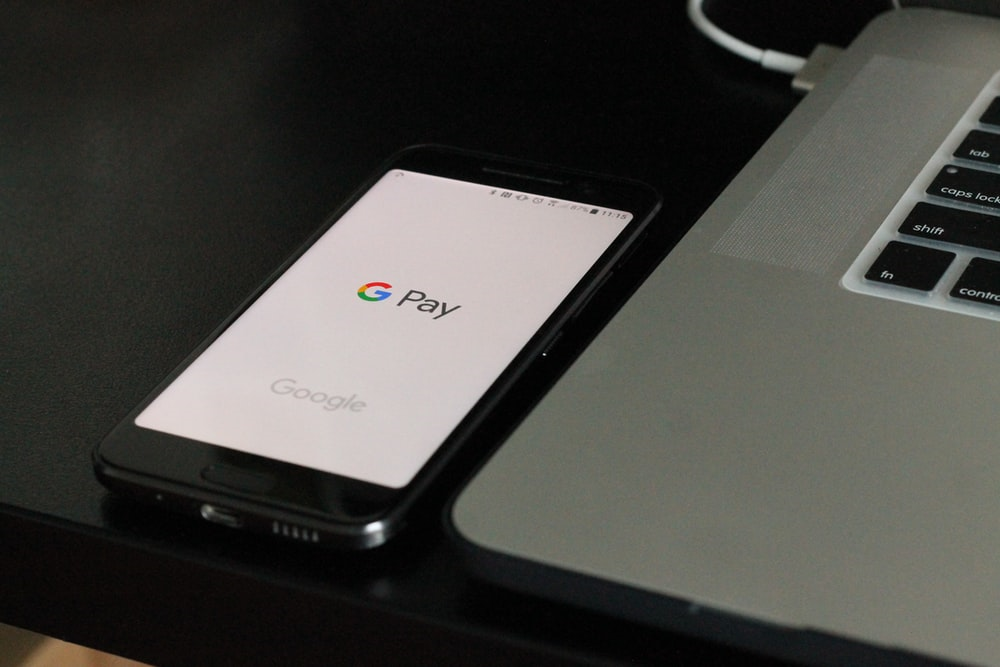
Since the beginning of time, man has always sought more effortless ways to make payment for goods and services. Before unified payment systems emerged, trade by barter was the means by which people exchanged goods for value. National currencies have led to the development of various technological methods to simplify payment processing.
While it took a while for credit and debit cards to evolve after cash became the primary means of transactions, the speed at which digital wallets are becoming more prevalent is quite startling. This begs the question, “Will digital wallets completely replace debit cards for payments?”
What are debit cards?
A debit card is a plastic card that allows users to spend money from a checking account. Banks or payment processing companies typically offer these cards.
What are digital wallets?
A digital wallet is any software or app that stores money and allows users to make payments through it. These wallets, also known as e-wallets, typically function as online payment tools.
Why do people choose certain payment methods?
To better understand the possibility of digital wallets replacing debit cards for in-store payments, we will examine a couple of factors that affect people’s choice of payment methods.
Convenience
This is usually the first factor to consider when choosing a payment processing option in a store, and it comes in various forms. When you plan to make a large purchase in a store, carrying cash is obviously not the best payment option available. It is inconvenient and attracts a lot of attention. Going with your debit card offers more security, but with the adoption of digital wallets, you can make payments right from your phone. Convenience is a subjective metric, though, and many consumers may find using their cards more convenient than navigating through an app. On the other hand, the growth of digital wallets proves that many people also find this option convenient.
Security
Security is a major concern for many early adopters of digital wallets. The fear of cybersecurity issues is a legitimate concern, and digital wallet fraud is something to beware of. Many digital wallet providers across the globe are making efforts to make their transactions safe and secure, which could drive more users to take digital wallet options more seriously.
Technology needed
Most stores have a point-of-sale terminal that works seamlessly with debit cards when making in-store payments. Debit cards become appealing due to their compatibility with the current in-store infrastructure and lack of an internet connection. Digital wallets require a smartphone and a good internet connection to work. While this is readily available in most urban cities, this is not the case everywhere.
Trust
Early adoption of new technology requires trust, and while digital wallets are no longer 'new', their trust level is not as high as that of debit cards. Virtually all standard payment platforms, including many digital wallet platforms, issue debit cards. Most individuals are more accustomed to and trust a physical card than an app on their mobile devices. In the long term, this will change, but debit cards still have a better trust value.
Learning curve
Cards have wide adoption and are easy to use; learning to use a debit card is not difficult. Although digital wallets do not have steep learning curves, the learning curve varies from platform to platform, so they are not as simple as swiping or slotting a card into a machine.
At the end of the day
As evidenced by various studies, the adoption of digital wallets across the globe is on the rise. There is also a corresponding decline in debit card usage, albeit more slowly. This, however, does not mean that plastic cards will become obsolete for in-store payments in the near future. Many existing financial systems rely on plastic cards, and many digital wallets currently require the availability of debit cards to access important information before opening a wallet. There is no doubt that this will change, but with regulations from federal bodies ensuring the safety of transactions, this change will not be swift.
It is safe to say that debit cards will remain active for in-store transactions for the foreseeable future.
