Introduction
Material verification is a critical aspect of the manufacturing process, ensuring that the raw materials used in production meet the required specifications and standards. Accurate material verification helps maintain product quality, safety, and performance, ultimately leading to customer satisfaction and regulatory compliance. Inaccurate material verification can lead to costly production errors, product recalls, and damage to a company’s reputation.
X-ray fluorescence (XRF) handheld analyzers have emerged as an essential tool for efficient and accurate material verification in manufacturing. These portable devices use advanced XRF technology to provide rapid, non-destructive analysis of a material’s elemental composition. By offering precise and reliable results, handheld XRF analyzers help manufacturers streamline their quality control processes, reduce waste, and ensure that their products meet the highest standards of quality and compliance.
In this article, we will explore the benefits of implementing handheld XRF analyzers for material verification in manufacturing, discuss their key applications, outline the implementation process, and look at future trends and innovations in this field. We will also provide insights and recommendations for manufacturers looking to adopt this technology to enhance their material verification processes.
Benefits of handheld XRF analyzers in Manufacturing
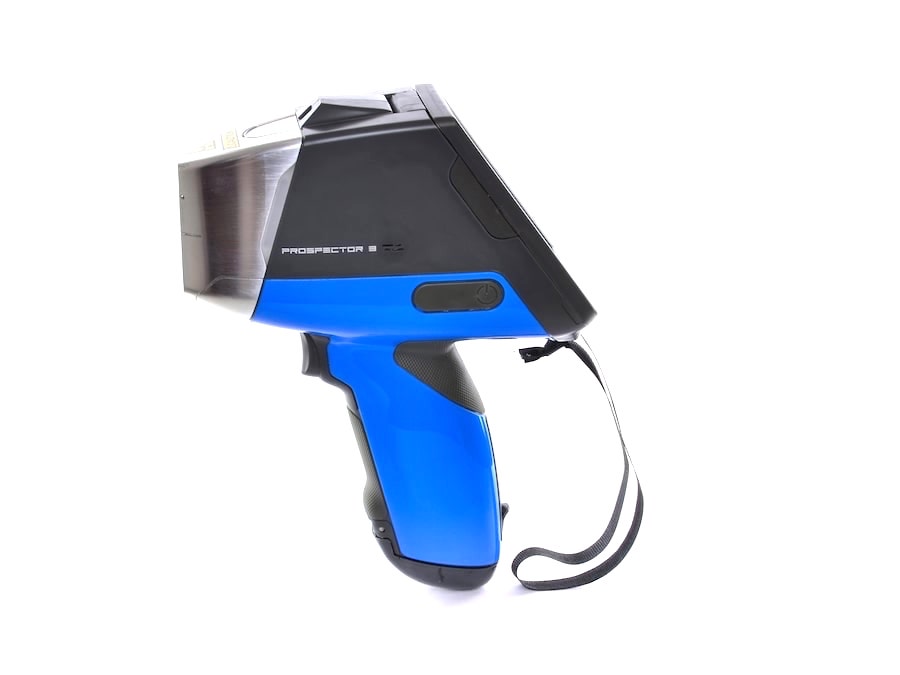
Implementing handheld XRF analyzers, such as those offered by Elvatech, provides numerous benefits to the manufacturing industry. These advanced tools enhance the accuracy, efficiency, and cost-effectiveness of material verification processes.
Accuracy and Precision in Material Identification
Elvatech's handheld XRF analyzers deliver highly accurate and precise results, enabling manufacturers to identify the exact elemental composition of materials. This precision helps in detecting even trace elements, ensuring that all materials meet the specified quality standards. The reliability of Elvatech analyzers reduces the risk of using incorrect or substandard materials in production.
Speed and Efficiency Improvements
The speed at which Elvatech's handheld XRF analyzers operate is a significant advantage. These devices provide instant analysis in just 2 seconds, allowing for rapid decision-making and minimizing downtime. The quick verification process helps streamline the production workflow, ensuring that materials are promptly verified and processed without delays.
Cost Savings and Waste Reduction
By accurately identifying materials, Elvatech's handheld XRF analyzers help manufacturers avoid costly errors and rework. The reduction in material waste not only saves costs but also contributes to more sustainable manufacturing practices. Additionally, the non-destructive nature of XRF analysis means that materials can be tested without being damaged or consumed.
Enhancing Product Quality and Compliance
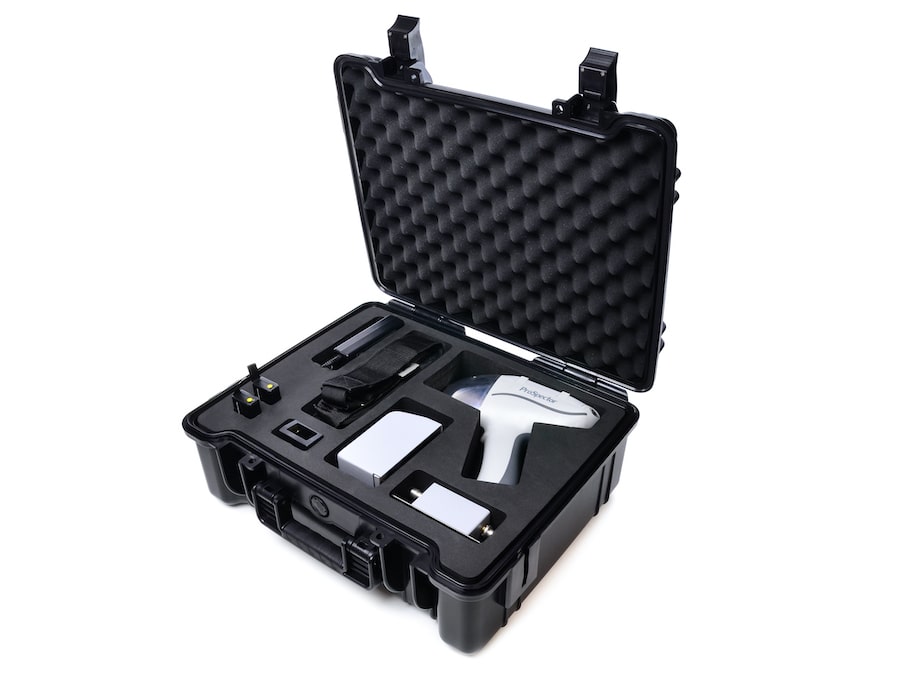
Using Elvatech's handheld XRF analyzers ensures that materials used in manufacturing meet stringent quality and regulatory standards. This capability is crucial for maintaining product integrity and ensuring compliance with industry regulations. Enhanced material verification processes lead to higher product quality, increased customer satisfaction, and a stronger market reputation.
Key Applications of handheld XRF analyzers in Manufacturing
Elvatech's handheld XRF analyzers are versatile tools that can be applied at various stages of the manufacturing process to ensure efficient material verification. Here are some key applications:
Incoming Material Inspection
One of the primary uses of a handheld metal analyzer is to inspect incoming raw materials. For example, in an automotive manufacturing facility, a handheld metal analyzer can be used to verify the composition of aluminum and steel alloys before they are used in car body panels. By ensuring that these materials meet the required specifications, manufacturers can prevent the use of substandard materials that could compromise the safety and quality of the final product. Elvatech's analyzers provide rapid, on-the-spot verification, helping manufacturers identify and reject substandard or incorrect materials before they enter the production process. This early detection prevents potential quality issues down the line.
In-Process Verification
During the manufacturing process, it is essential to continuously monitor and verify materials to maintain consistency and quality. Elvatech's handheld metal analyzer can be used for in-process verification, allowing operators to perform spot checks on materials as they are being processed. For instance, in the aerospace industry, it can be used to verify the composition of titanium alloys used in critical components, ensuring that any deviations or contamination are detected in real-time and corrected promptly, maintaining the integrity of the production process.
Final Product Quality Control
Before products are shipped to customers, they must undergo rigorous quality control to confirm that they meet all required standards and specifications. Elvatech's handheld XRF analyzers are ideal for final product verification, providing accurate and reliable analysis of the finished products. This ensures that any discrepancies are identified and addressed before the products reach the market, thereby safeguarding the company's reputation for quality. In the electronics industry, for example, a handheld metal analyzer can be used to verify the purity of gold used in circuit board connections, ensuring high performance and reliability of the final electronic devices.
Compliance with Industry Standards and Regulations
Many industries have stringent regulations and standards regarding the composition of materials used in manufacturing. Elvatech's handheld XRF analyzers help manufacturers comply with these requirements by providing precise elemental analysis. Whether it's ensuring that materials are free from hazardous substances or confirming that they meet industry-specific standards, Elvatech's analyzers are an essential tool for regulatory compliance. For example, in the jewelry industry, a handheld metal analyzer can verify that gold and silver meet the required purity standards, ensuring compliance with hallmarking regulations.
Implementation Process
Implementing Elvatech's handheld XRF analyzers into your manufacturing process can significantly enhance material verification. Here’s a step-by-step guide to ensure successful integration:
Selecting the Right handheld XRF analyzer
The first step is to choose the appropriate handheld XRF analyzer from Elvatech’s range of products. Consider factors such as the types of materials you need to analyze, the required level of precision, and any specific industry regulations you must comply with. Elvatech offers various models tailored to different needs, ensuring you find the perfect fit for your manufacturing requirements.
Training Personnel for Effective Use
Once you’ve selected the right analyzer, it’s crucial to train your personnel on how to use it effectively. Elvatech provides comprehensive training programs that cover everything from basic operation to advanced analytical techniques. Proper training ensures that your team can maximize the device's capabilities, perform accurate analyses, and maintain the equipment correctly.
Integrating with Existing Manufacturing Processes
Integrating the handheld XRF analyzer into your existing manufacturing workflow requires careful planning. Identify the critical points in your process where material verification is essential, such as incoming inspection, in-process checks, and final quality control. Incorporate the analyzer into these stages to ensure continuous monitoring and verification. Elvatech's analyzers are designed to be user-friendly and easily adaptable to various workflows.
Establishing Protocols and Best Practices
Developing standardized protocols and best practices for using the handheld XRF analyzer is vital for consistent and reliable results. Document the procedures for sample preparation, analysis, and data interpretation. Ensure that all personnel follow these protocols to maintain accuracy and repeatability. Regularly review and update these protocols based on feedback and technological advancements.
Ensuring Data Management and Traceability
Effective data management is crucial for material verification. Elvatech's handheld XRF analyzers often come with software solutions for data storage, management, and reporting. Implement a system to store and track analysis results, ensuring traceability and compliance with regulatory requirements. This data can also provide valuable insights for continuous improvement and decision-making.
By following these steps, manufacturers can seamlessly integrate Elvatech’s handheld XRF analyzers into their processes, enhancing material verification and ensuring high-quality production. The right implementation strategy maximizes the benefits of this advanced technology, leading to improved efficiency, accuracy, and overall product quality.
Conclusion
Implementing handheld XRF analyzers, such as those from Elvatech, in the manufacturing process offers numerous benefits that significantly enhance material verification. These advanced tools provide unmatched accuracy and precision, improve operational efficiency, and contribute to cost savings and waste reduction. By ensuring that materials meet the required specifications, handheld XRF analyzers play a crucial role in enhancing product quality and compliance with industry standards.
From incoming material inspection to in-process verification and final product quality control, Elvatech’s handheld XRF analyzers are versatile and essential for various stages of manufacturing. The implementation process, including selecting the right analyzer, training personnel, integrating with existing processes, and establishing protocols, ensures that manufacturers can fully leverage the capabilities of these devices.
While there are challenges in implementing new technology, Elvatech provides comprehensive solutions and support to overcome these hurdles. By addressing issues such as initial cost, training, integration, data management, and staying current with technological advancements, manufacturers can ensure a smooth and successful adoption of handheld XRF analyzers.
Looking ahead, the future of material verification in manufacturing is promising, with continuous advancements in XRF technology. Manufacturers who invest in these innovations will stay ahead of the competition, maintain high standards of quality, and contribute to more efficient and sustainable manufacturing practices.
In conclusion, Elvatech’s handheld XRF analyzers are indispensable tools for modern manufacturers. Their ability to provide rapid, accurate, and non-destructive analysis of materials makes them a valuable asset in ensuring efficient material verification. Manufacturers are encouraged to adopt this technology to enhance their processes, improve product quality, and secure their position in a competitive market. The future of efficient material verification in manufacturing is bright, and handheld XRF analyzers will undoubtedly play a pivotal role in shaping it.
