In general, crafting an effective retirement plan involves identifying retirement goals and mapping out a strategy for achieving them. It requires determining how much can be contributed to retirement investing and the investment instruments that will be most effective for achieving financial goals.
When it comes to specific retirement plans, each individual investor must also consider the unique trends currently at play in the economic landscape. A variety of economic indicators can dramatically impact the effectiveness of decisions, such as how much should be invested and where. Investors who ignore those indicators can find themselves suffering from losses that could have been avoided or missing out on gains that could have been easily achieved.
“Taking a set-it-and-forget-it approach to retirement planning will not allow any investor to maximize their returns as the economic landscape evolves,” explains Aaron Cirksena, Founder and CEO of MDRN Capital. “Keeping a plan on track requires ongoing monitoring of the wide variety of factors that can affect its performance.”
MDRN Capital is a full-service virtual firm that leverages the capabilities of modern tools and strategies to enhance the retirement planning process. Cirksena and his team of advisors empower their clients with unparalleled levels of flexibility and efficiency as they advise them on steps that align with their goals and needs. They provide their clients with solutions to retirement problems and work alongside them to make sure those solutions fit their lifestyle needs.
Here are the major trends to consider for those seeking to optimize their retirement strategies in today’s economic landscape.
Volatility in the stock market
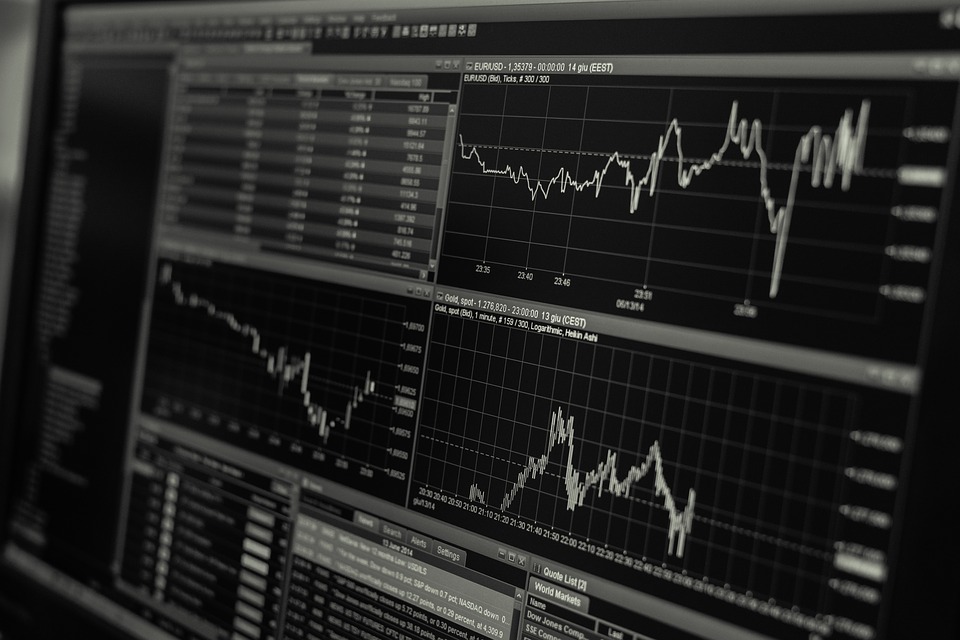
While a certain degree of volatility can always be seen in the stock market, investors should be on the lookout for especially sharp swings in overall market value. Responding to those swings effectively requires incorporating flexibility in your retirement planning.
“Given the current volatility in the stock market, it's essential to build flexibility into your retirement plan,” Cirksena says. “This means having a diversified portfolio that can adapt to market swings and incorporating strategies like dollar-cost averaging to mitigate risk.”
Depletion of Social Security
For over 80 years, retirees have relied on Social Security to provide financial benefits during their retirement. While those benefits are not expected to disappear, recent reports predict they will be reduced in the near future.
According to the most recent report by the US Social Security Board of Trustees, benefit reductions could begin as early as 2035. Unless changes are made to increase Social Security reserves, those claiming Social Security will only receive 83 percent of their full benefits at that time. To respond to this trend, those planning for retirement should focus on investments that can provide a guaranteed income, such as annuities.
Rising healthcare costs
A number of factors contribute to rising healthcare costs in the US, including population growth and population aging, with some experts believing that costs will continue to rise during the next decade. To address the expected increase, retirement planning should involve integrating elements that can ensure health needs are met.
Investing in health savings accounts (HSAs) is a practice that could become increasingly important if the increase continues. HSAs offer tax advantages and can be a valuable resource for covering medical expenses in retirement.
Rise of the gig economy
The gig economy — the segment of the labor force that involves contract workers and freelancers — has seen significant growth in recent years. Reports show that the demand for gig work increased by 41 percent between 2016 and 2023.
“The rise of the gig economy is reshaping retirement planning,” Cirksena says. “Throughout the work world, IRAs are becoming more favorable than 401(k)s due to the flexibility and control they offer, especially for those without access to employer-sponsored plans. This trend indicates that focusing on Simple and SEP IRAs is extremely important for maximizing the impact of retirement savings vehicles.”
Higher inflation
Since the COVID-19 pandemic, the US has experienced historically high inflation rates, triggering price increases of more than 20 percent. In an environment of higher inflation, retirement plans that can deliver higher returns are needed to maintain purchasing power. Adjusting to this trend might mean incorporating a mix of growth-oriented investments and adjusting lifestyle expectations to align with economic realities.
Changing tax policies
Managing tax exposure is always an important part of retirement planning, which means optimizing investing will always require tracking with the latest tax policies.
“Potential changes in tax laws can significantly impact retirement planning strategies,” Cirksena warns. “Staying informed about these changes and being flexible in your approach is crucial to minimizing tax liabilities and maximizing retirement income.”
Retirement planning is a long-term endeavor that can require decades of investing. To maximize returns, investors must carefully monitor current economic trends and pivot wherever (and whenever) appropriate.
