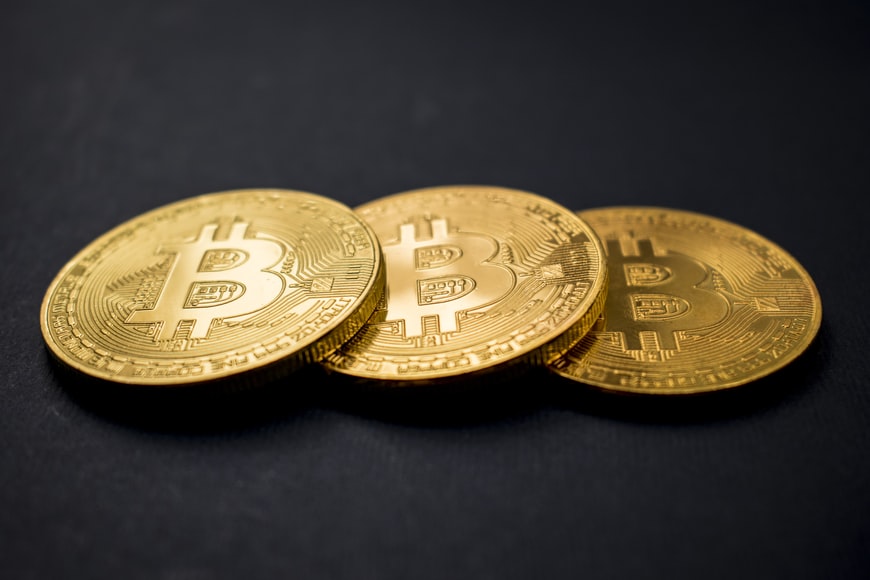
Are you a digital entrepreneur, investor, or just curious about Bitcoin? If so, you're in luck. We've put together this article on all things Bitcoin for digital entrepreneurs and investors. So, unlike traditional currencies like the U.S. dollar, Bitcoin isn’t controlled by any central authority or bank. Like gold, they can be traded for goods and services, but unlike gold, they aren't tangible and don't have any intrinsic value other than what people are willing to pay for them in exchange for goods and services.
While Bitcoin may not be backed by any government or central bank, it still has value because of its utility as a medium of exchange and store of value. That's why millions of people worldwide check the live BTC price chart and look for ways to invest in it.
What Is Bitcoin?
Bitcoin is a digital currency. It's not printed like money; instead, it’s created digitally and has no physical existence. Bitcoin is also decentralized, meaning it doesn't belong to any person or organization.
How Does Bitcoin Work?
Bitcoin is a digital currency created in 2009 by an anonymous person named Satoshi Nakamoto. The idea behind Bitcoin is that it would be a decentralized and secure form of payment, but with no banks or intermediaries involved to mediate payments. Instead, the network relies on mathematical encryption.
Where Does Bitcoin Come From?
Bitcoin works on blockchain technology – an open ledger that records every transaction made on Bitcoin's network. Since it's decentralized, all users have equal access to its data to verify transactions themselves if they wish to do so (and if they're willing).
How Much Money Is Behind Bitcoin?
Bitcoin, the digital currency and payment system, has had a wild ride since its creation in 2009. The Bitcoin network is estimated to have a market cap of around $1 trillion as of 2021.
That's why it's no surprise that Bitcoin has become such a hot topic, with more and more people looking into ways to get their hands on some of this new-fangled stuff.
However, you don't have to be an expert or have deep pockets to get into Bitcoin. In fact, there are plenty of ways for everyone - even someone just curious about what all the fuss is about - to get involved with Bitcoin without losing much sleep over it.
Who Uses Bitcoin?
Bitcoin is used by everyone from large-scale corporations to small-time entrepreneurs looking to make a quick buck. The number of people who use Bitcoin has been growing steadily over the last several years.
The main reason for this growth is because Bitcoin transactions are fast, cheap, and easy to complete. The transactions can be sent anywhere in the world in minutes with no fees or complicated processes. With Bitcoin, you don't need an account at a bank or credit card company - you just buy some Bitcoin and send them out!
Where To Get Bitcoin?
Bitcoin mining is the process through which new Bitcoin tokens or coins are created, and transactions are verified on the Bitcoin network. Mining involves solving complex problems and verifying transactions on the blockchain.
How To Store Bitcoin?
The most common way to store Bitcoin is a software wallet, which can be downloaded on your computer or mobile phone. Hardware wallets allow you to securely store your digital currency offline in a device like a hard drive.
You can also store Bitcoin on an online exchange or online wallet service. When using these services, you should make sure that you choose a provider that offers security measures such as two-factor authentication and cold storage wallets for more secure storage.
Are There Any Alternatives to Bitcoin?
Bitcoin is a cryptocurrency that’s been around for the longest time and has many advantages. It's easy to use, and it's accepted by almost every merchant you can think of. However, if you're looking for alternatives to Bitcoin, there are many options available. Here are a few main ones:
One alternative is Litecoin. Litecoin is similar to Bitcoin except that it has faster transaction times. Like Bitcoin, it uses blockchain technology to keep track of transactions. The main difference between Litecoin and Bitcoin is that Litecoin gives users more control over their money by allowing them to create private keys.
Another alternative is Ethereum Classic (ETC). This coin offers traders a chance to make profits from their trades without having to pay high fees associated with traditional exchanges like Coinbase or Binance, which charge fees per transaction depending on how much volume each user has completed in their trading activity within 24 hours.
Where Does the Name Bitcoin Come From?
The name "Bitcoin" comes from its creator's cryptography and computer science involvement. As a Proof-of-Work (PoW) system (like many other cryptocurrencies), it uses computers to solve complex math problems to verify every transaction on the network. The word "blockchain" refers to a public ledger of transactions and gets its name from this process. It comes from the fact that each block of transactions contains information about previous blocks stored on the blockchain.
As such, Bitcoin is designed as a peer-to-peer payment system. This is where transactions happen directly between users without going through banks or other third parties. The idea is that it would be faster and cheaper than traditional financial systems. This is because there wouldn't be any overhead costs or delays associated with processing payments through banks or third parties.
What's the Difference Between a Digital Currency and an Online Payment System Like PayPal (News - Alert), for Example?
A digital currency exists only digitally. These currencies are usually exchanged using the internet, not physical money (like dollars or euros). A digital currency isn't necessarily backed by any government or central bank. Instead, it relies on high-tech security measures to protect your money from hackers and thieves.
PayPal works like a traditional e-commerce platform. You register with them and then link your credit card or bank account so you can make payments easily. When you use PayPal to buy something online, though, what happens is that PayPal transfers the money from your bank account into their account at the time of purchase. After this transfer happens, PayPal holds on to the funds until they’re ready to send them to the recipient.
Conclusion
With the rise of digital currencies, the number of people who want to know more about them and understand how to use them has increased. Bitcoin is already a very popular and widely used payment network to make secure payments from one person to another.
