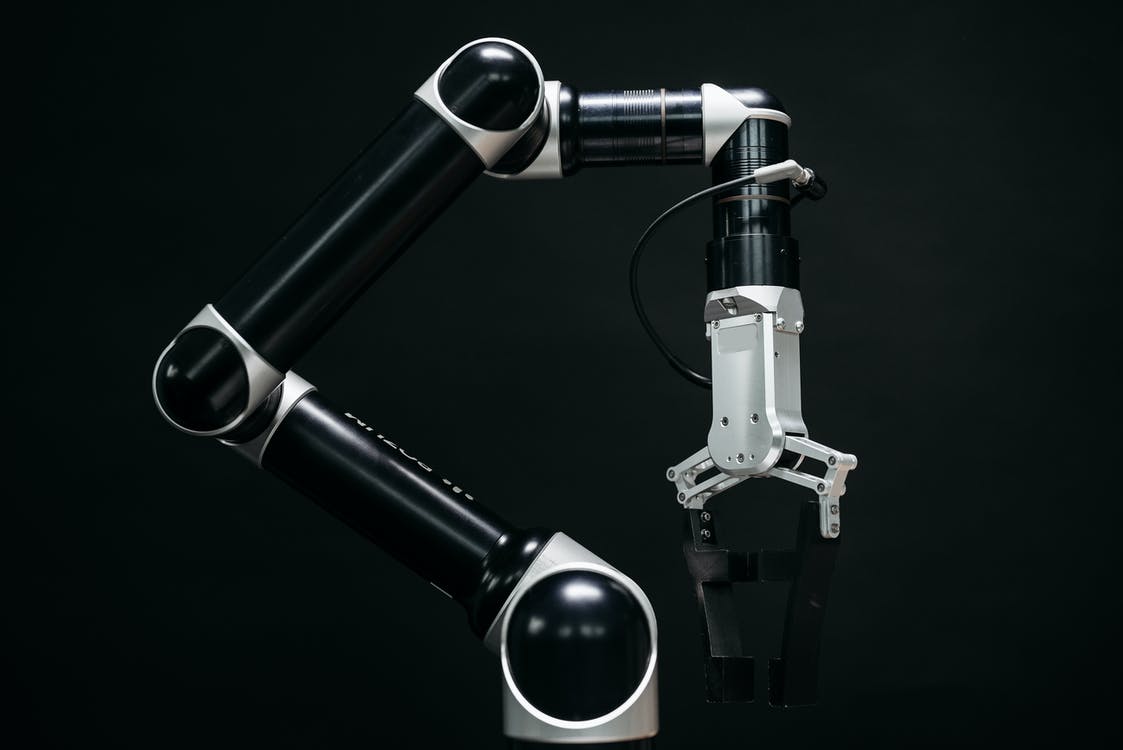
Reddy Kancharla (News - Alert) believes robotic automation can improve productivity, efficiency, and manufacturing flexibility in the construction industry. There are possible improvements in various areas, such as off-site fabrication of modular homes and building components, robotic welding and material handling on construction sites, and robot 3D printing of houses and customized structures. In addition, Reddy Kancharla thinks robots can improve sustainability and reduce environmental impact by enhancing the quality, lowering waste, and making the business safer and more cost-effective.
After debating whether robots can take over the building industry, Reddy Kancharla would like to take a more measured look at what automation and robots can do in construction projects. To do this, Reddy Kancharla looks at two robots that can benefit construction projects: A Robotics Company's aRC Image-R© and Detect-R©.
aRC Image-R©
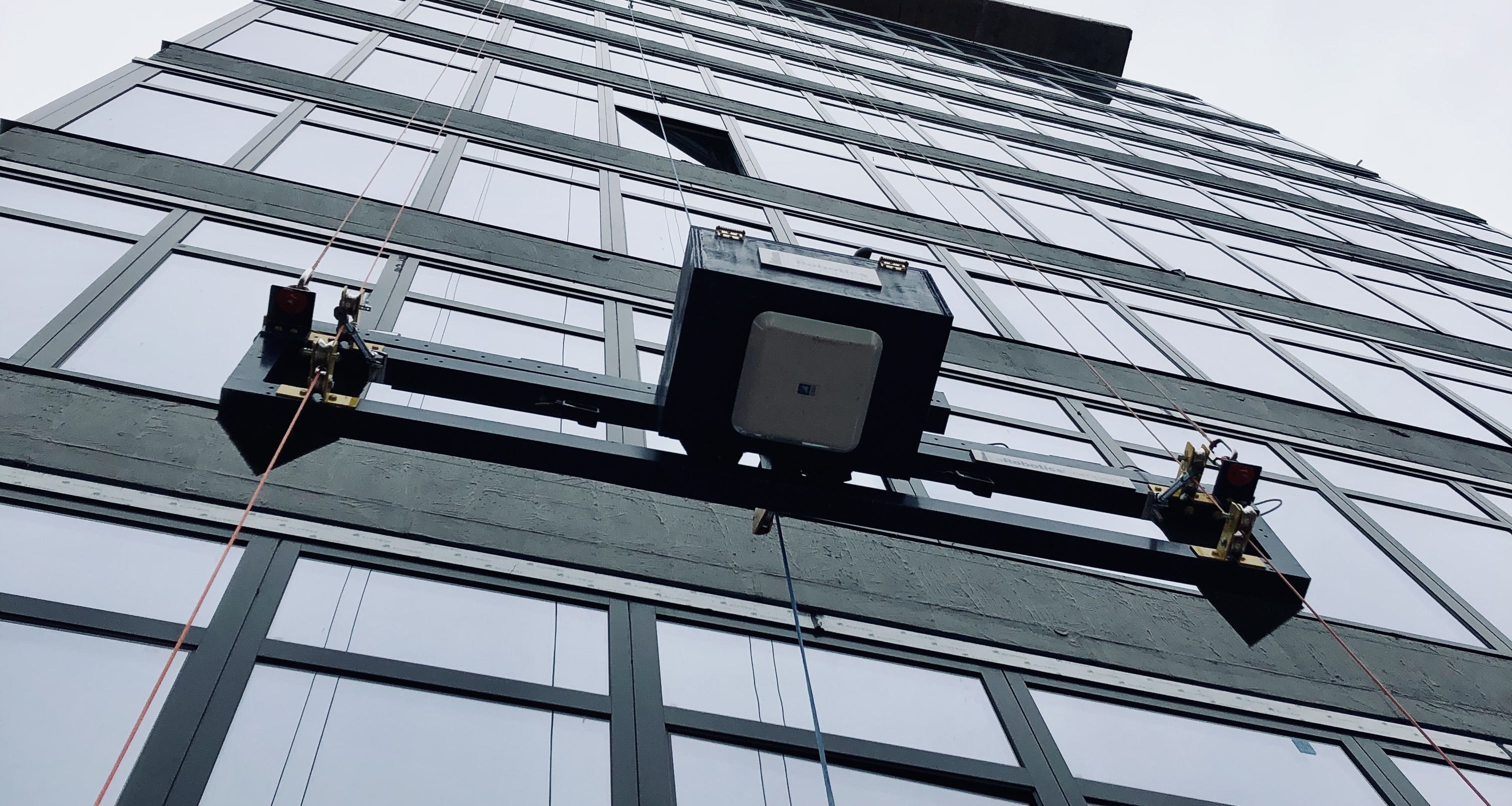
The aRC Image-R© inspects facades more quickly, safely, and accurately than any other method. It provides superior clarity and field of view in a lightweight and sturdy shell, and it can be deployed and operated quickly.
Image-R© travels at 120 ft/min and effectively operates at any altitude. In addition, it can assist in better predicting risky concerns and avoiding costly occurrences, making compliance with NYC's Local Law 11 a much simpler process.
Reddy Kancharla believes using the aRC Image-R© provides the industry with greater than enough safety margins. It can also work with more stability in stronger winds. In addition, the aRC Image-R© is lighter, meaning there are fewer threats to persons and property.
Detect-R©

The aRC Detect-R© solution solves otherwise untraceable leaks definitely in a non-destructive way. It finds water intrusion sources and insulation gaps at a lower cost than probing and is more accurate than ordinary thermography scans. In addition, it uses massive data collection and AI-enhanced analysis to solve difficult underground and roof leaks that have eluded existing technologies.
Benefits of Robotics in the Construction Industry
1. Assisting in the resolution of the building skills deficit
Construction is a high-wage industry, and Reddy Kancharla thinks automation robots have proven to be quite efficient in decreasing labor costs while enhancing productivity and quality in other sectors. Robotics and automation can assist in alleviating the shortfall by increasing production. It will also allow workers with superior talents to earn more money. Those with advanced skills will undoubtedly be in higher demand during the transition period, which might last a decade.
2. Increasing pace with off-site production
Reddy Kancharla believes manufacturing individual components or modules in factories allows for more automation than what can be done on-site. A big change to off-site modular construction could significantly impact building construction, but it will take time.
It is also best to study large-scale prefabrication (LSP) techniques (e.g., bathroom or kitchen modules) to merge high-level construction components into finished building modules. Reddy Kancharla thinks it will benefit from additive manufacturing techniques like 3D printing, which are already impacting, with examples ranging from two-story municipal buildings to 3D printed bridges.
3. Creating a safer working environment
One of the most important roles of a construction manager is to maintain a safe working environment. Aside from the safety considerations, enormous costs are involved with a dangerous work environment. Reddy Kancharla believes robots can help improve safety in some of the most hazardous jobs.
