The pandemic has created a new security landscape. 73% of employees want remote working options to stay, emphasizing health and safety for both security and HR teams.
With this changing landscape comes additional security considerations. So, what technologies and strategies can help you form a security system for the post-pandemic landscape? Keep reading to learn how you can adapt your post-pandemic security strategy.
How To Plan Your Commercial Building Security Systems In A Post-Pandemic World
Emerging technologies make it easier for businesses to provide building security that enhances health and safety measures while delivering convenient protection for the assets housed inside the building.
Access Control
Touchless access control provides a way for businesses to reduce the number of touchpoints that occupants must come into contact with upon entering and leaving secured buildings. Door handles, pin pads, and physical locks are all touch points within a building that can tremendously increase the spread of germs within a commercial building.
You can implement touchless access control without inconveniencing occupants. Access is granted using mobile credentials in a digital access card. You can use digital access cards without the occupant removing the mobile device from their pocket. This is because readers at a certain frequency can communicate via BlueTooth from a greater distance than traditional access cards.
One survey states that 54% of businesses will likely upgrade to mobile credential access control systems in the next 3 years. Touchless access control is an emerging technology that will provide a germ-free way for businesses to secure entry points.
Security Cameras
One way to optimize an access control system is to integrate it with a security camera feed. This way, your security team will be able to view access logs and security camera feeds on one interface, eliminating the need to correlate data from different sources in the event of a security breach.
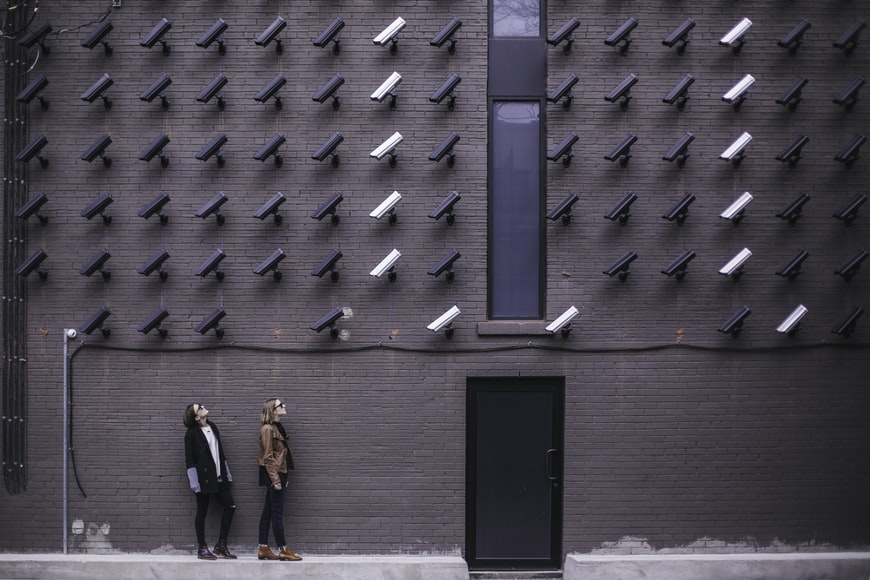
Security cameras perform a two-fold security function. Firstly, they allow businesses to view footage that they can use as evidence in the event of a crime. Secondly, they act as a deterrent for crime. Placing security cameras in clearly visible locations on the exterior of your building will deter potential criminals from attempting to gain access. Additionally, improving your building’s security with cameras can even help lower your insurance premiums.
Consider moving towards an integrated security system if you wish to plan a post-pandemic security strategy. This allows for a more user-friendly experience for security staff and streamlines security data on one interface.
Health and Safety
Health and safety are the main focus of most security strategies in the current climate. Certain protocols and technologies can help you secure your building and take accountability for occupant health and safety.
Wellness Verification
Wellness verification allows businesses to screen for coronavirus symptoms before an occupant can access their commercial building. By completing a mobile survey on their symptoms, such as a cough, fever, or change in taste and smell, you can ensure that your building does not grant access to occupants or visitors displaying symptoms of coronavirus.
Social Distancing
Overcrowding has become an additional hazard for security strategies to consider due to the potential spread of germs. Using stanchion posts and crowd control barriers, you can better implement social distancing measures in your commercial buildings. If your commercial building houses queuing areas, it becomes necessary to prevent overcrowding.
Isolation Protocols
An effective security strategy in a post-pandemic world requires clear isolation protocols. Clear social bubbles are set within the commercial building to implement isolation protocols. If one bubble member contracts the virus, then others should be tested. An isolation period should be set according to government guidelines, and if any members within the bubble’s test were positive, they should isolate.
Securing Car Parks And Doors Using Security Gates
Car parking facilities are an additional consideration for commercial building security. While occupants are inside the commercial building, they need assurance that their vehicle is secure in the building car park.
One way to secure vehicles in your commercial building car park is to use security gates that prevent unauthorized entry and potential theft. Barriers effectively keep unauthorized vehicles from entering, but you must take additional measures to avoid unauthorized users and potential criminals from entering the car parking facility. Security gates can provide added security to ensure that occupants’ vehicles are safe when stored in the building’s car park.
Security gates also provide additional protection for commercial building doors overnight. Glass doors and windows offer easy entry points should the glass be broken. To ensure that the building is secure overnight, you should consider installing scissor gates for overnight security, protecting your building from entry via broken glass or broken doors. The scissor gate makes a building appear more secure visually, and like security cameras, can act as a visual deterrent for potential crimes.
Merging Physical And Digital Security
If your building’s security strategy is cloud-based or uses the internet of things (IoT), then your security strategy needs to be adapted to deal with physical and digital threats.
Remote functions in your security system should only be accessible to authorized personnel. You can ensure that it is not intercepted by installing cybersecurity software to protect your physical security system. In the coming year, we will see more security strategies adapting to merge physical and digital security to face the challenges posed by the post-pandemic security climate.
Summary
There are now more considerations to factor into a commercial building security strategy from health and safety to cybersecurity. The post-pandemic security climate requires emerging technologies and additional social distancing measures within commercial buildings. Consider how well-adapted your security strategy is to deal with these concerns, and find any vulnerabilities in your current system to determine the need for additions and restructuring.
