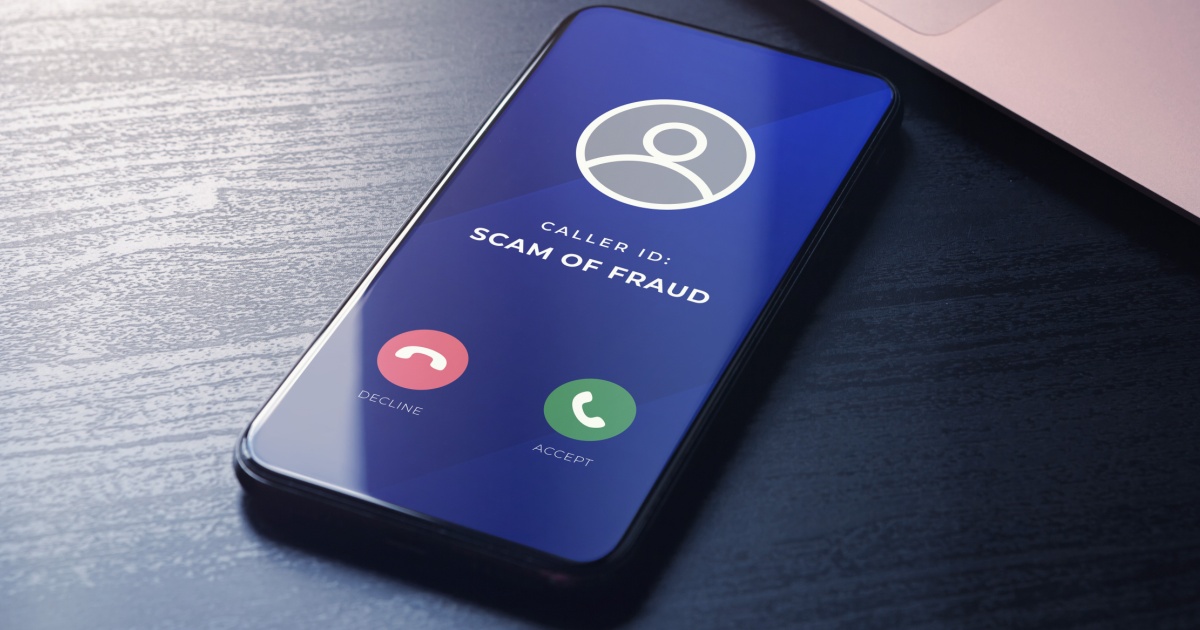
Voice security solutions provider Hiya released its 2024 State of the Call report, shedding light on the evolving landscape of voice calling amid rising concerns over phone fraud and spam.
The report is based on the analysis of over 221 billion phone calls from 2023 and surveyed consumers, workers and security and IT professionals across six countries. The findings provide valuable insights into the trends shaping the voice calling industry.
Despite the persistent threat of phone fraud and spam, consumers and businesses continue to prioritize voice calls due to their efficiency, reliability, and the human touch they offer. According to the report, consumers prefer voice calls over email or text, especially for sensitive matters such as healthcare, banking, and credit card communications. Similarly, businesses regard voice calls as being essential for achieving their goals, particularly when it comes to sales, although many are diversifying their communication channels now.
One thing the report did uncover that was concerning is the escalating problem of spam and fraud calls that are happening today. Consumers reported receiving an average of five unwanted calls per week, with the U.S. leading at eight unwanted calls per week. Hiya's data reveals that over 28 percent of unknown calls in 2023 were spam or fraud. This marks a notable increase from the previous year. Despite this though, only a third of consumers said they have downloaded any type of phone fraud prevention app. Most said they would be unwilling to pay extra for that protection.
The report also found that the financial impact of spam and fraud calls is rising. Consumers reported an average loss of $2,257 to phone scams. In addition to wasting consumers' time, with an average of nine minutes spent each week screening for unwanted calls, these calls also prompt some to switch carriers in search of a better call experience.
Businesses find that repercussions of spam and fraud calls are harming their efforts too. Many said they struggle to reach consumers due to their calls being labeled as spam or fraud. This leads to missed opportunities and reputational damage. Additionally, scammers frequently impersonate legitimate companies, and further tarnish their reputations by hijacking and spoofing their phone numbers.
“Ninety-two percent of consumers believe unidentified calls are fraudulent,” said Kush Parikh, President of Hiya. “As a result, nearly half of such calls go unanswered. In the case of the other half of unidentified calls – those that consumers do pick up – recipients typically only answer reluctantly, due to concerns that it may be a call they can’t miss. This erosion of trust is not just a minor inconvenience; it’s a significant barrier to effective and secure interactions between businesses and their customers, not to mention friends and family.”
So what can be done to address these challenges? The report points to the importance of implementing solutions to improve call identity and protection. Since consumers are more likely to answer calls if they know who is calling, these types of call identity solutions are vital.
Edited by
Greg Tavarez